How SpringCreekFinds rewrote its titles to name the find first
SpringCreekFinds
SpringCreekFinds has sold more than 1,000 vintage and handmade pieces on Etsy since 2022, from German oil lanterns to trinket boxes built from old yardsticks. Founder Chuck uses Alura's listing editor to retitle his finds so each one opens with what it is and who made it, then pins those listings to Pinterest one at a time.
Half the shop is found, half is built
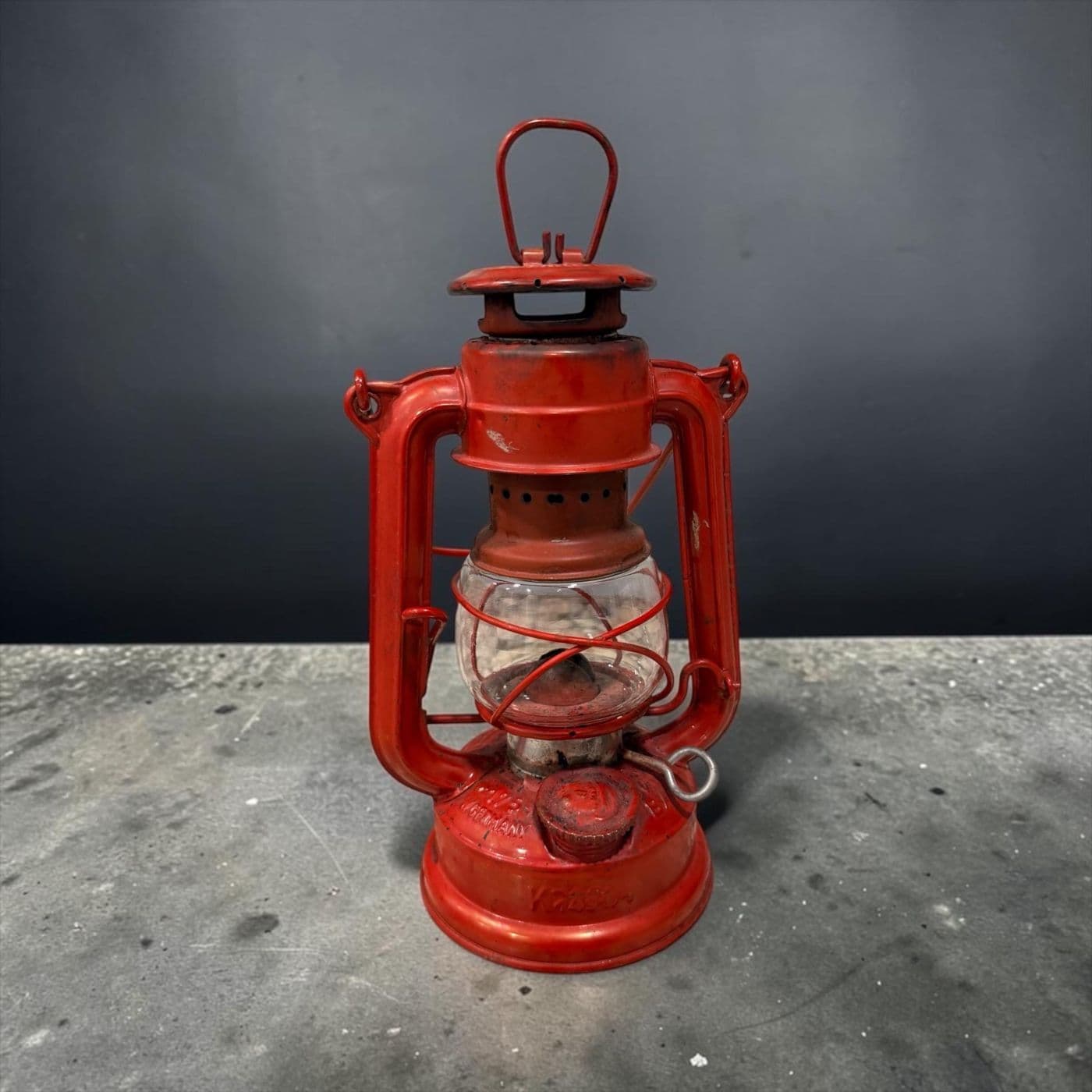
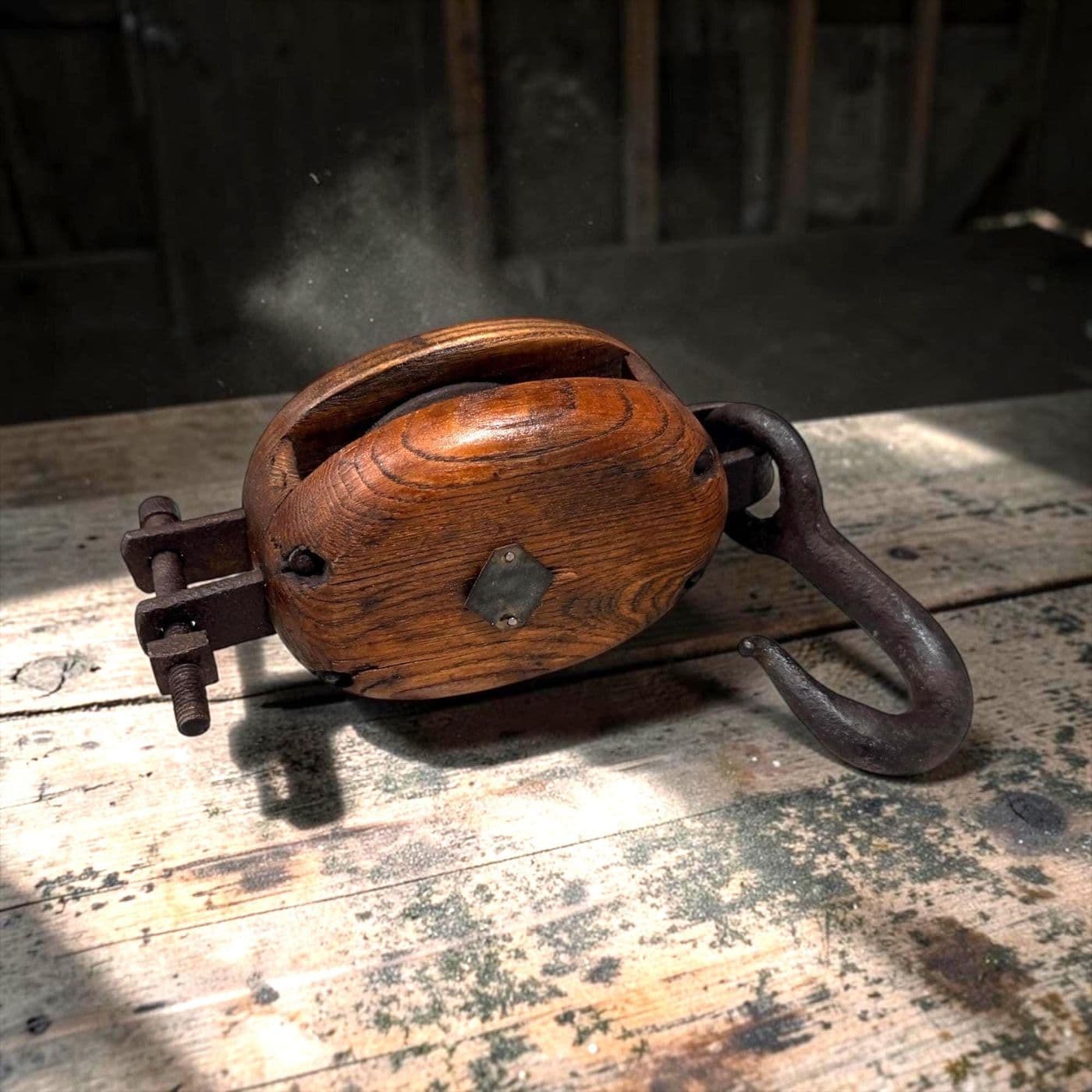
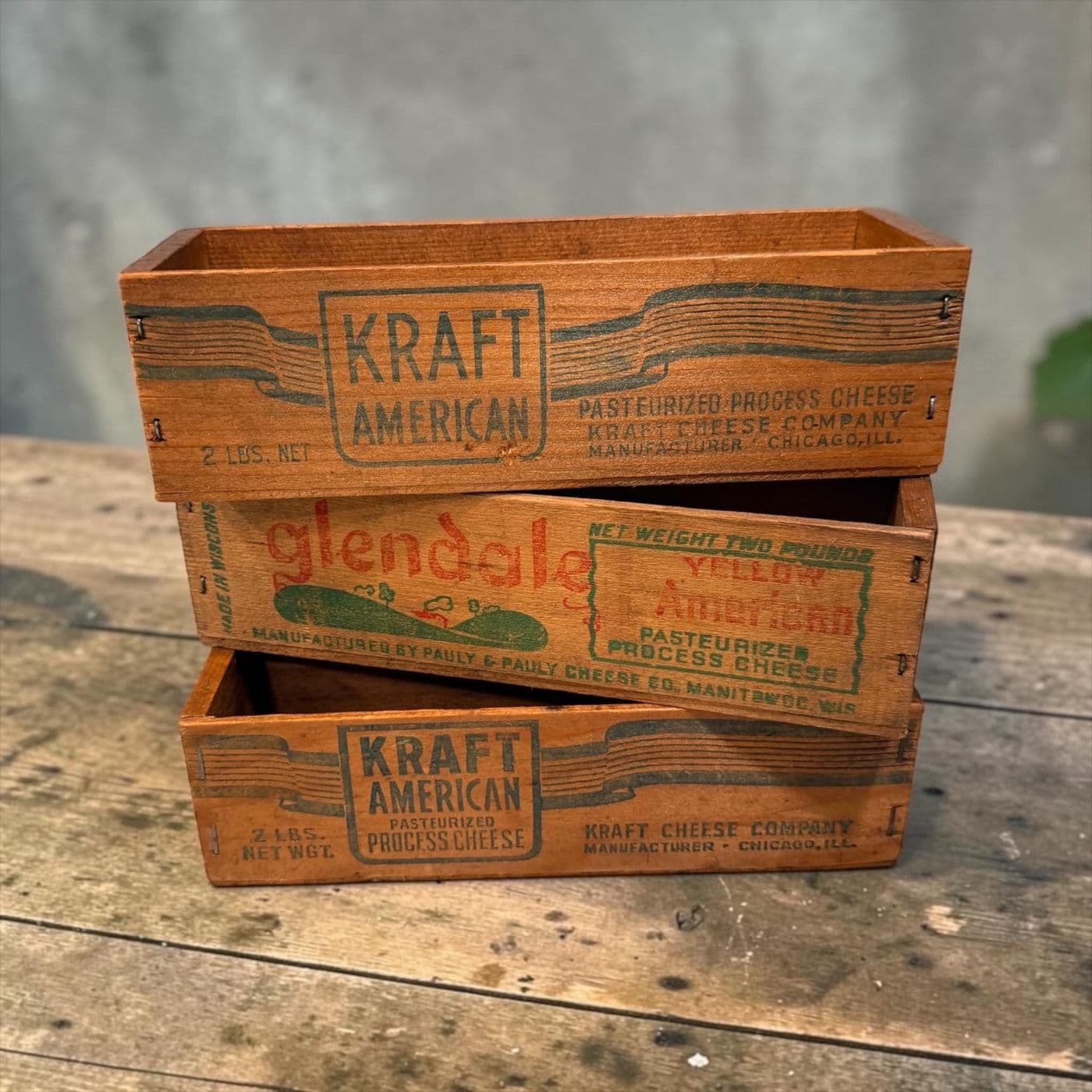
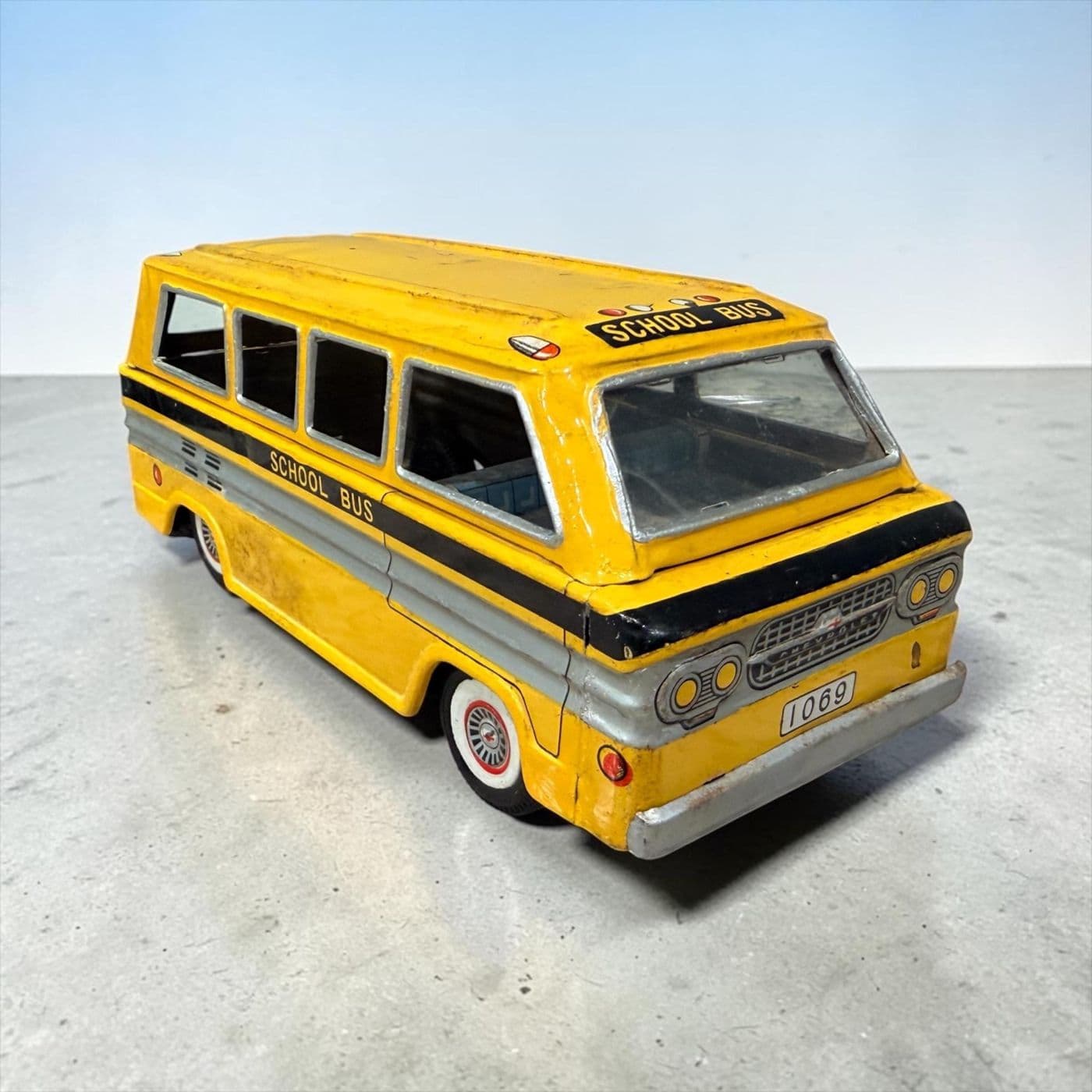
SpringCreekFinds is two shops on one page. One half is vintage: a red Feuerhand 175 Super Baby lantern from West Germany, Lufkin folding rulers, cast iron and wood pulleys, Longaberger pottery and fabric, a 1960s Japanese tin toy school bus, lots of old road maps and ink blotters. Pulleys like the 11-inch block and tackle are sanded and finished with coats of tung oil before they're listed.
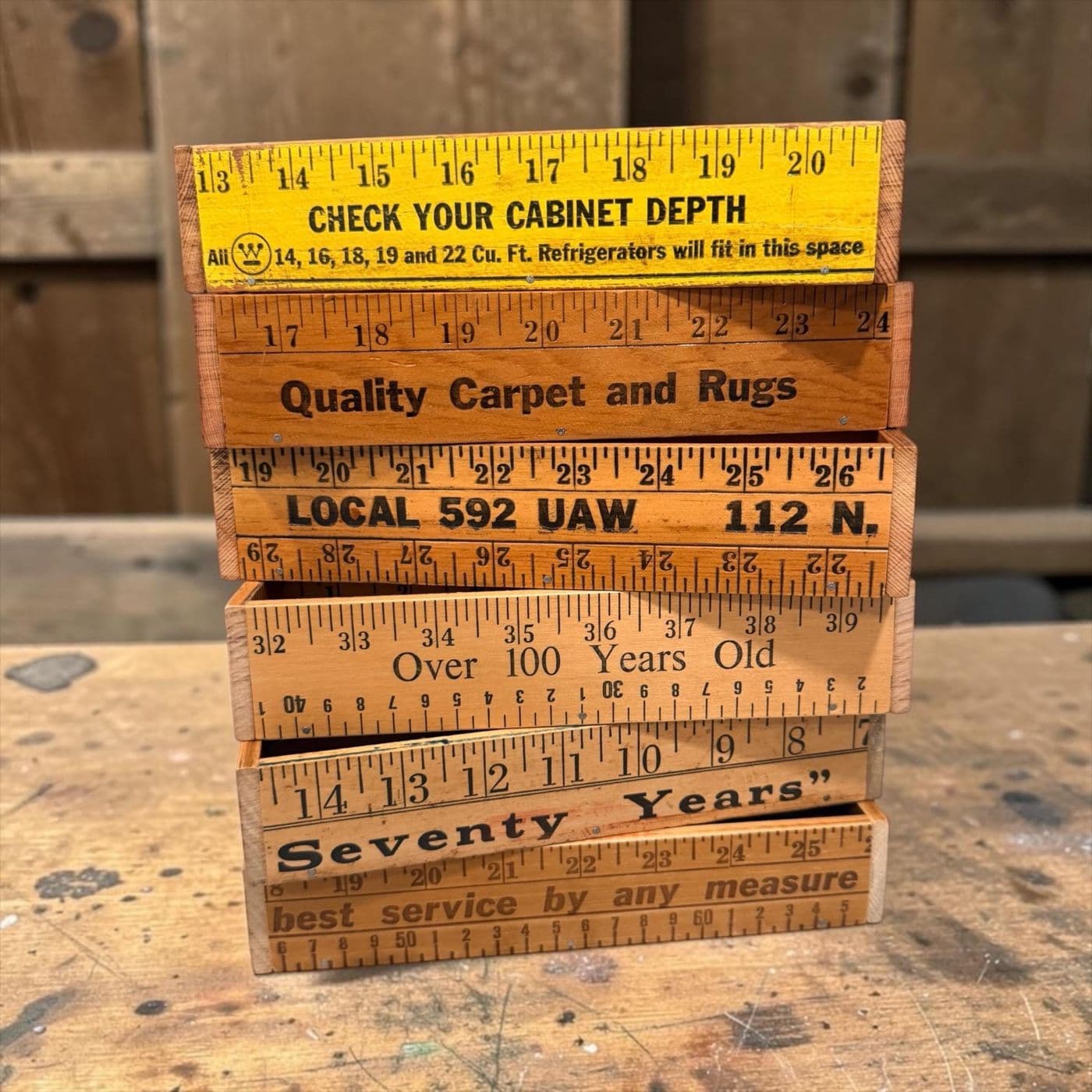
The other half Chuck makes. His most favorited pieces are trinket and pencil boxes made from vintage yardsticks, the kind printed with the names of old furniture stores, carpet shops and savings banks. He cuts, assembles and finishes each one himself with a shellac topcoat, so no two carry the same advertising. The handmade side also runs to pallet wood serving trays, whiskey barrel lid charcuterie boards and cotton patchwork quilts. The shop holds a 4.97 rating from more than 300 reviews.
A vintage title has to say exactly what the thing is
A new handmade product can be described by what it does. A vintage piece mostly can't. People looking for a D. T. Dudley loom shuttle or a Starline pulley search for the maker, the model number, the year and the size, because that's how they know it's the piece they want.
Many of the shop's older titles were written to cover every room a buyer might put an item in. A desk calendar was "Vintage Desk Notepad & 1950s Calendar Advertising Paper Memo Pad Retro Office Decor Collectible". The calendar is dated 1965, and its sliding phone index and original box, the things a collector of desk advertising looks for, weren't in the title. With a catalog of more than 200 active listings, each one a single item with its own story, going back through them by hand was a big job.
“Someone hunting for a Lufkin rule types Lufkin. If my title starts with farmhouse decor, I've buried the one word they came for.”
AI takes a first pass, Chuck keeps the pen
Chuck works through listings in Alura's listing editor. For many vintage pieces he runs the AI on the title, tags and description, reads what it suggests, and decides what to keep before he clicks Publish changes. Nothing reaches Etsy until he does. For others, including some of the yardstick boxes, he skips the suggestion and types the new title himself.
The AI suggestions work from what's already in the listing, so the details have to be there first. That's why the shop's habit of recording maker marks, measurements and condition matters so much. On the desk calendar, the description notes that the calendar is dated 1965 and has a sliding phone index, and both details made it into the new title.
Descriptions follow a similar split. A short summary paragraph now sits at the top of many listings, and Chuck's own notes on condition, measurements and age stay underneath, including lines like "I am estimating the age" where he isn't sure. If an edit doesn't work out, Listing history in the editor keeps the earlier versions.
“The AI does a fine first draft on a lantern or a pulley. The yardstick boxes I'd rather title myself. I build them, so I know what matters.”
Pins made one listing at a time
Chuck connected the shop's Pinterest account to Alura and makes pins himself in the Create tab instead of turning on the automations. He chooses which listing to pin and sends it to the shop's board, Spring Creek Finds Etsy Shop. The mix on that board looks like the shop itself: a cribbage set next to a Longaberger candle holder, a film reel case next to a sewing drawer.
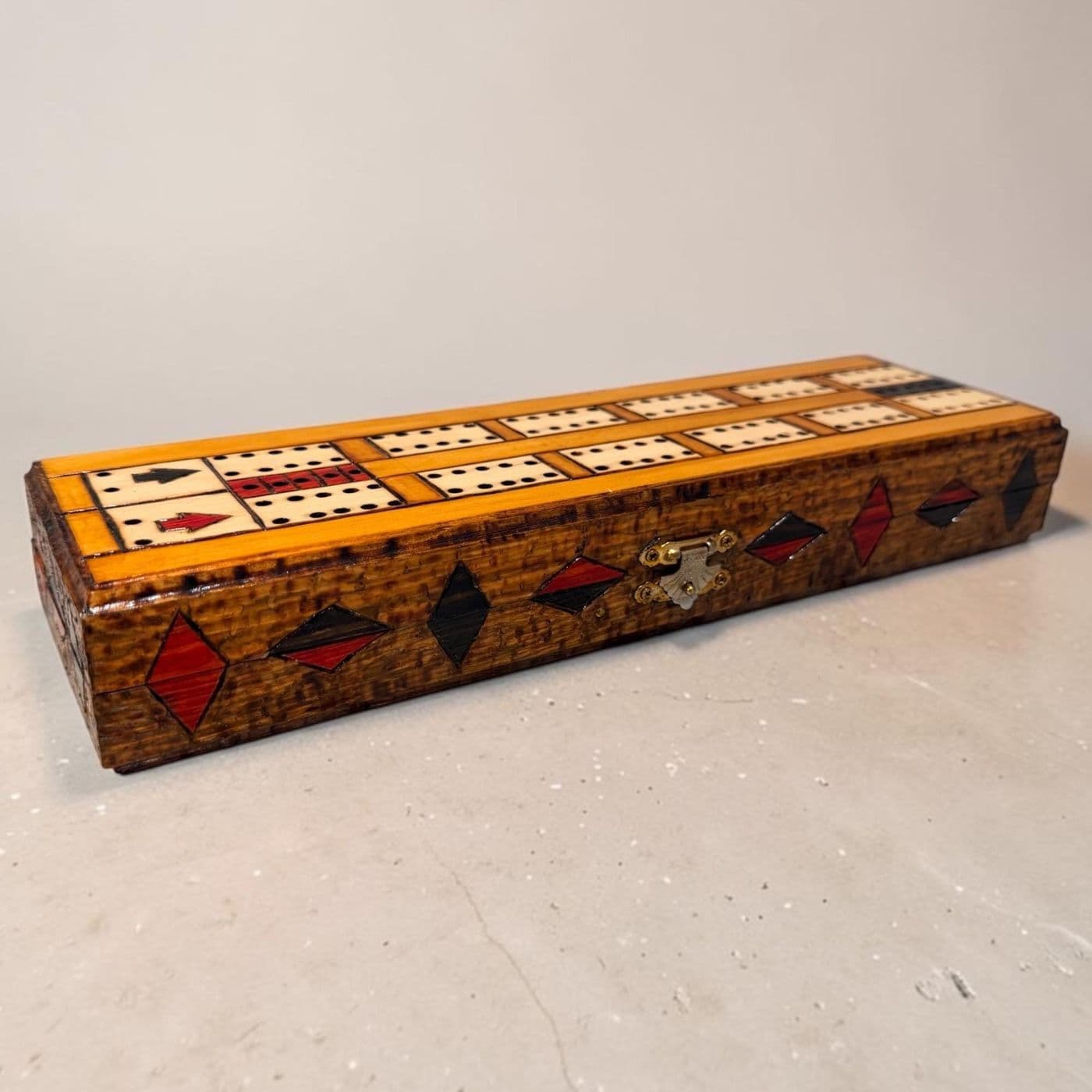
Each pin opens with a short line before the details. A pin for an 11-inch wood and cast iron pulley starts with the line "Every vintage piece has a story to tell" and then gives the size and materials. One for a vintage inlaid cribbage set opens with "Timeless and nostalgic" before describing the 13.5-inch board, the pegs, cards and green felt lining. A pin for a pallet wood tray mentions the 3/4-inch wood, the food-safe finish and the rubber feet. Every pin ends by pointing back to the listing on Etsy.
Maker, model, year and size up front
Across the catalog, titles now lead with the object and the details a collector checks: who made it, what model it is, when it dates from and how big it is. The loom shuttle names D. T. Dudley. The desk calendar gives its year and the phone index. The handmade pieces get the same treatment, with the size moved into the title so a buyer knows which box or quilt they're looking at. The decor words haven't disappeared. Farmhouse, desk storage and sewing room still show up, after the facts instead of before them.
Vintage Desk Notepad & 1950s Calendar Advertising Paper Memo Pad Retro Office Decor Collectible
Vintage Desk Calendar, 1965 Advertising Notepad with Sliding Phone Index in Original Box
Vintage Loom Shuttle D T Dudley - Antique Weaving Tool for Textile Crafts & Accessories
Weaving Shuttle, Vintage Wood And Metal Loom Tool By D. T. Dudley
Handcrafted Vintage Yardstick Pencil Box 10 Inch Wood Trinket Storage Organizer Gift for Teachers, Students, Quilters
Wood Trinket Box, Vintage Yardstick Desk Storage | 10-Inch Pencil Holder
Table Topper Quilt with Farmer's Market Theme, Handmade Decor, Kitchen Accent, Fall Decoration
Table Topper Quilt, 38-Inch Farmer's Market Design with Green Quilted Border
Write the maker's mark down first
Chuck's advice for other vintage sellers starts before the camera comes out. Record the maker's mark, model number, date and measurements while the piece is still in your hands, because those are the details every good title is built from. And when you're guessing at an age, say so in the listing. A collector would rather read an honest estimate than find out later that a date was wrong.
“Measure it and write down every stamp and number before you take a single photo. That's what a collector checks first, and it's a pain to dig up later.”
SpringCreekFinds received Alura credits as a thank-you for sharing this story.