How PrettyShinyJewels checks its own style vocabulary against keyword data

PrettyShinyJewels
PrettyShinyJewels has sold one-of-a-kind gemstone and pearl jewelry on Etsy since 2014, with a 4.9 rating from more than 240 reviews. Its designer, Marine Duhamel, runs the shop on an AI-assisted system she built herself, and Alura is one of the research tools in it, mainly for keyword research, listing analysis and photo alt text.
Every piece starts with a stone or a found object
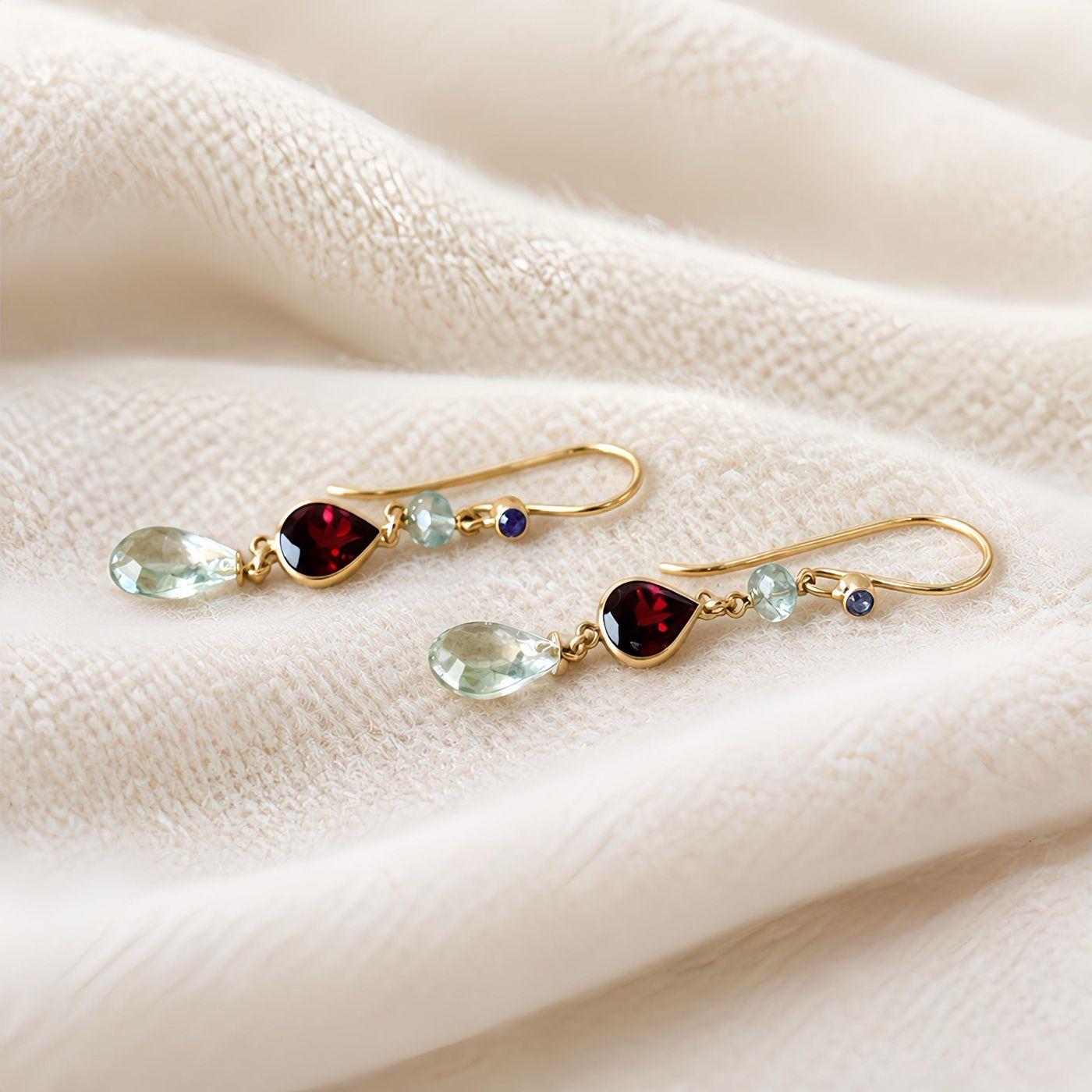
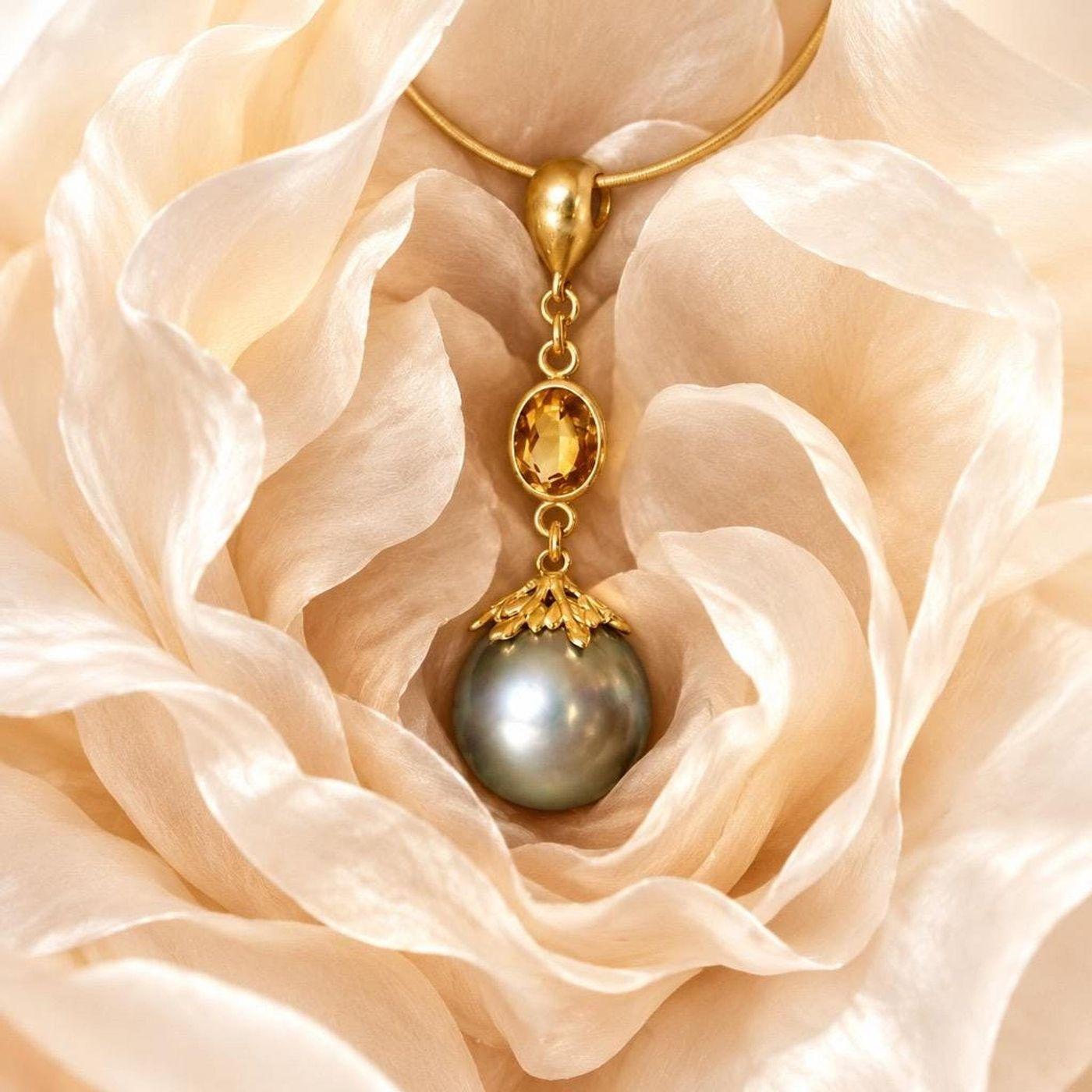
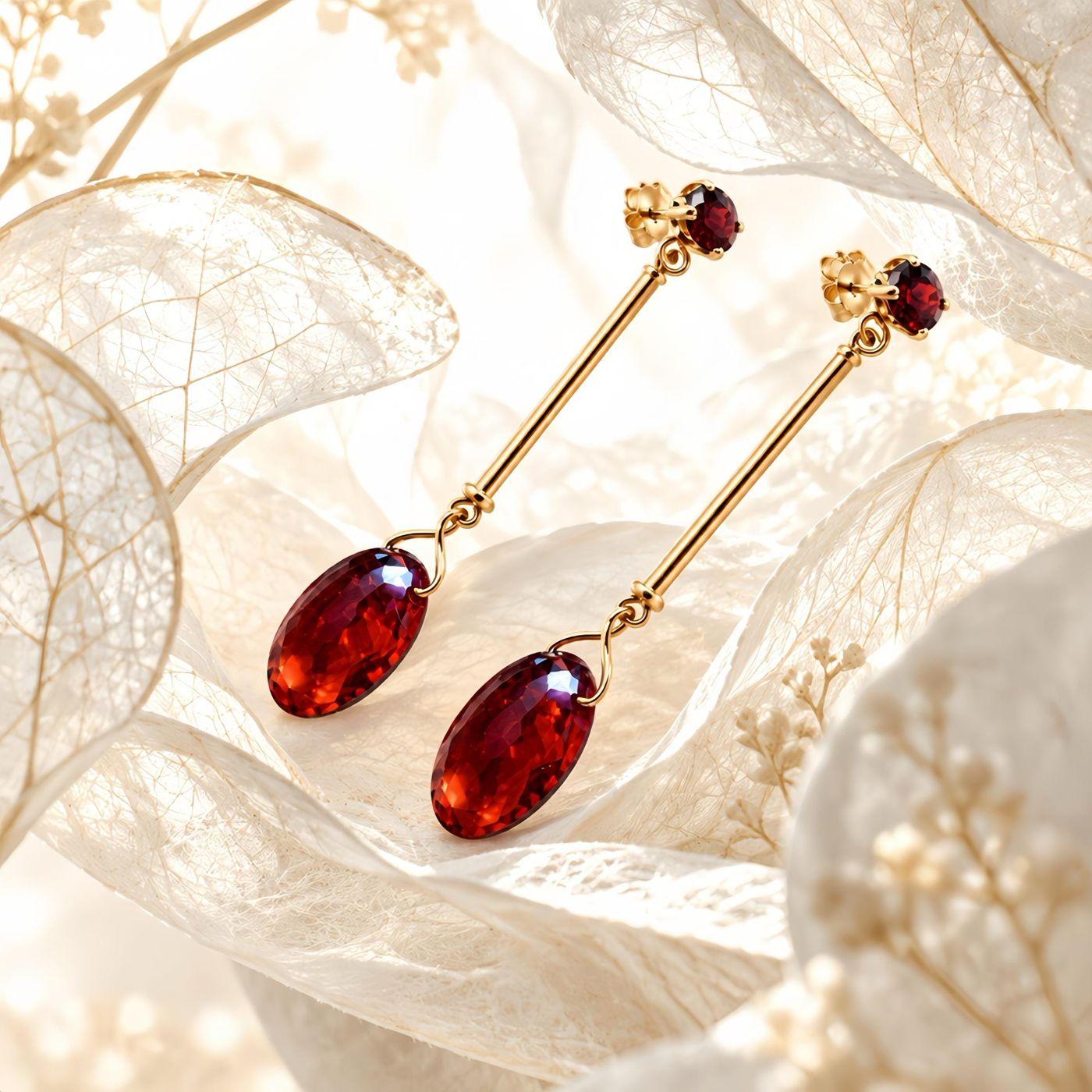
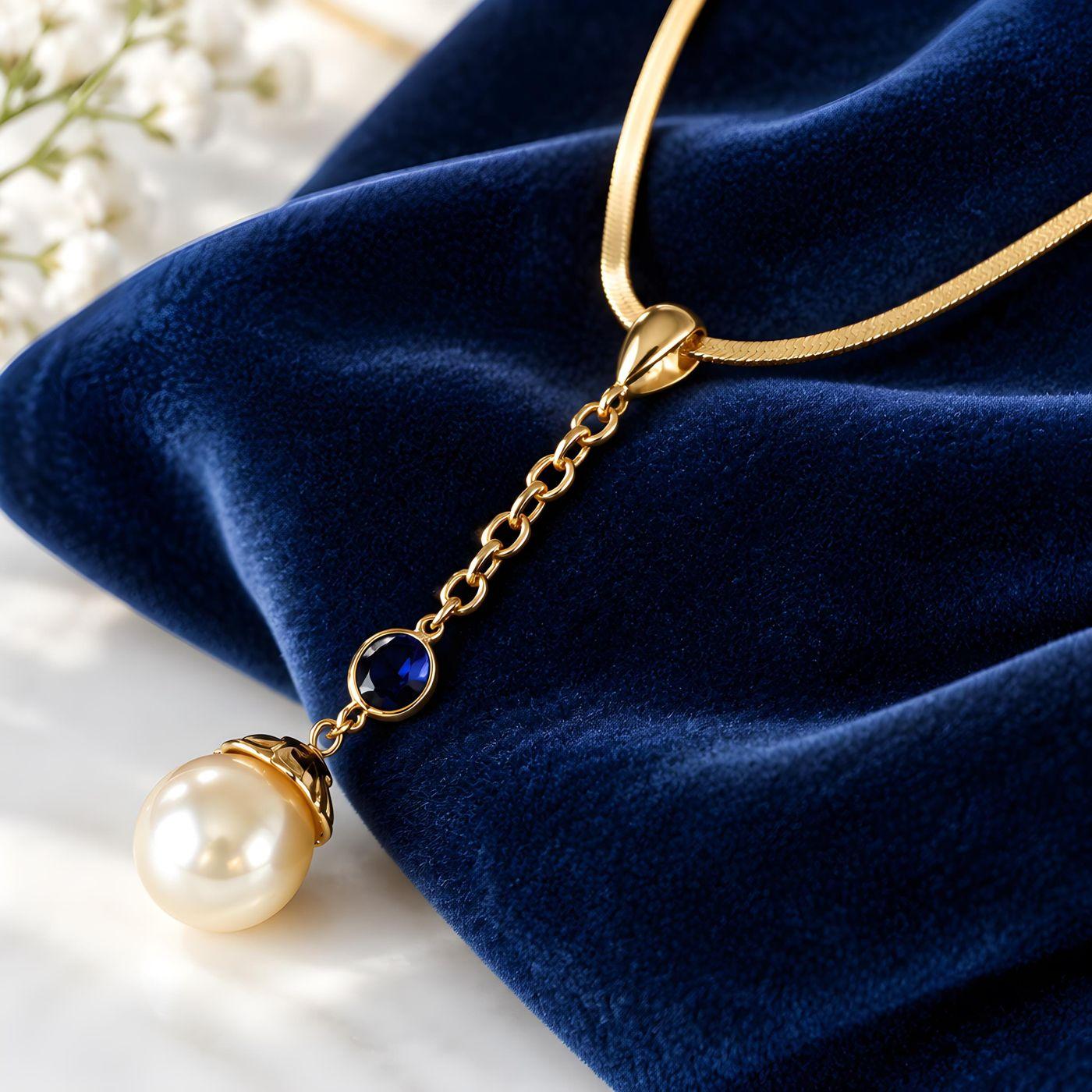
PrettyShinyJewels makes modern jewelry that borrows from history: Old Hollywood glamour, Renaissance art, Mediterranean elegance. The materials are natural gemstones, cultured pearls, 14k solid gold and sterling silver, and many designs are one of a kind.
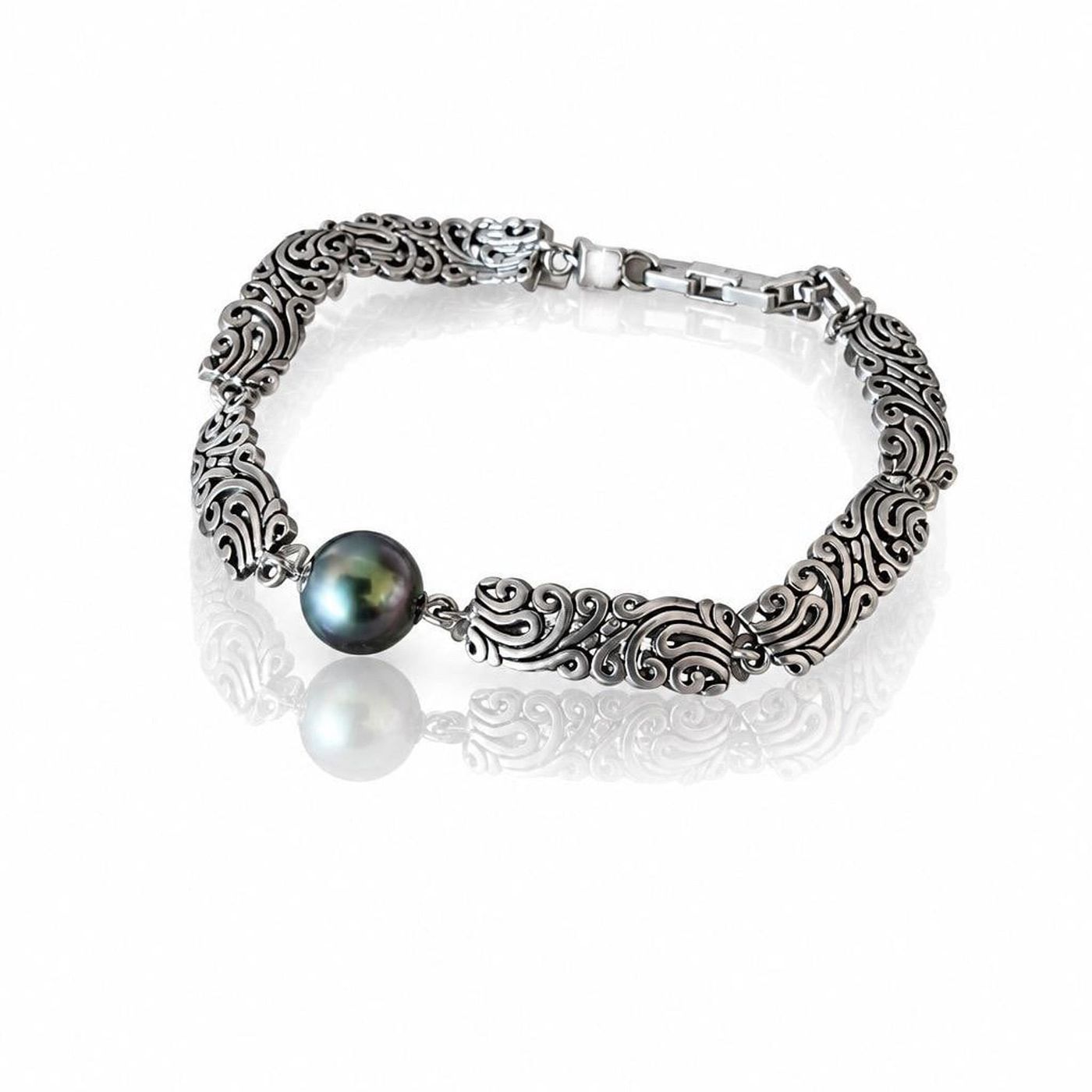
Some begin with something found. A sterling silver scroll panel from a small silver shop in Taxco became a bracelet with a peacock Tahitian pearl at its center. A rough, buckle-like part from a second-hand store in San Francisco, its original purpose long forgotten, now anchors a pearl pendant. An elongated silver centerpiece made by an American artist in the 1960s became a black Tahitian pearl necklace. One listing even lets buyers look inside the shop's pearl box and choose two favorites for a duo necklace.
A one-off piece has no name for shoppers to type
A shop that sells the same mug in six colors can name it once. A shop where every listing is a different stone, a different setting and sometimes a different century has to write a new title for each piece, and none of those pieces has a ready-made product name. Nobody searches for a Taxco scroll bracelet with a peacock pearl.
Many older titles leaned on the same general words: Sophisticated, alongside occasion words like Evening and Bridal. A few were short labels, such as "Black Tahitian Sculptural Jewelry". They described the pieces accurately, but they said little about which style each one belonged to or who might wear it. With around 250 active listings, rewriting them is slow, careful work.
“Every piece I design is different, so I needed to develop a recognizable visual and design vocabulary across the collection. My customers may be drawn to ancient Greek jewelry, modernist design, or the colors of the Mediterranean. The challenge is finding the language that connects those interests to my jewelry.”
Style phrases, checked against keyword data
Alura's keyword research shows each phrase's Search volume, its Competition (how many active Etsy listings already use it) and its Trend, and Similar Keywords turns up related phrases worth a look. The listing editor shows the same kind of numbers beside each tag, so a phrase can be checked while the title is being written. For a shop like this, that answers a practical question: is a style phrase something shoppers type, or only something a jeweler would say? Some phrases are too broad to stand out, and some are so narrow that hardly anyone searches them. The ones in between are worth a place in a title.
Phrases such as European Art Jewelry, Colorful Jewelry Art, and Modernist Design help connect individual pieces to broader artistic interests. Marine develops this vocabulary through her own creative direction, then tests potential search terms against keyword data rather than allowing the numbers to dictate the designs.
A working system of her own, with Alura as one tool
Marine runs the shop on an AI-assisted working system she calls MIS, short for Make It So, backed by an extensive working database called Atlas. It coordinates keyword research, writing, product development, marketing, AI-assisted imagery, video production and social media. Titles and descriptions are developed collaboratively in that workflow, under her creative direction and with her final approval.
Alura is one of the research tools inside it, used mainly for keyword research, listing analysis and photographic alt text, the short description of each photo that screen readers read aloud. Changes made in Alura's listing editor wait there until the shop clicks Publish changes, so nothing reaches Etsy before that.
“I developed my own AI-assisted working system, which I call MIS (Make It So), supported by an extensive database called Atlas. I use it to research keywords, develop descriptions, organize marketing, and manage creative production. Alura has been one of my research tools, particularly for keyword analysis and photographic alt text. But the creative decisions, design direction, and final approvals are mine.”
The titles now say what the piece is and what it's for
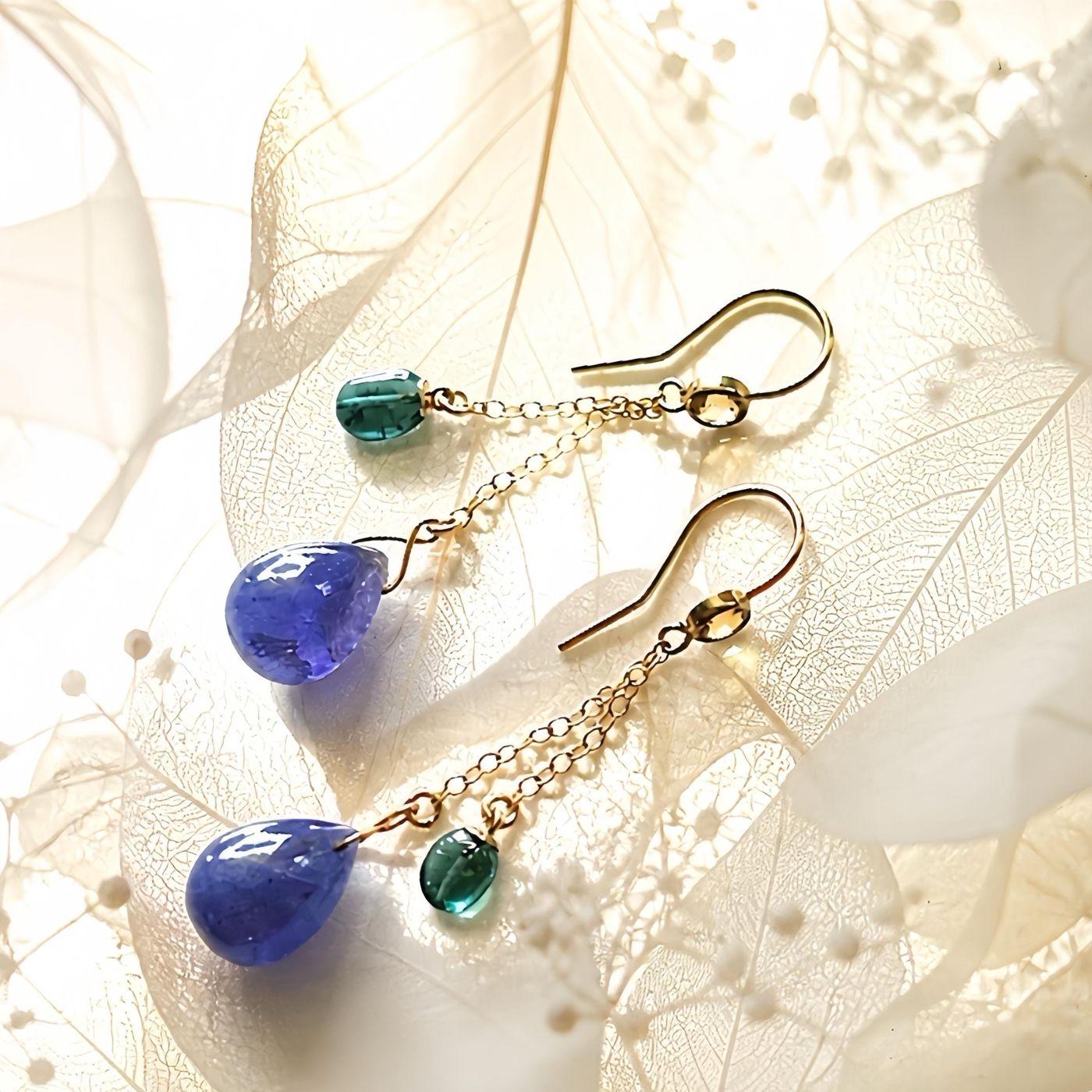
Here are a few of the rewritten titles. The black Tahitian necklace now says it is a pearl necklace. The blue topaz earrings moved from evening wear to daily wear. The ruby earrings now describe the stones themselves: raw, untreated and pink.
Descriptions moved in the same direction. They increasingly focus on the woman who might wear the piece, her personality, the places she goes, and the quiet pleasure of wearing something distinctive. The technical details are still there, but the story is about living with the jewelry. The listing for a pair of long Keshi pearl earrings now opens: "A little geometry mixed in with a little rebellion from the pearls." The rest reads like the maker talking you through the piece.
Its tags changed in the same direction. General tags like trending now and perfect gift for her gave way to alternative bridal, sculptural jewelry, art deco flair and a gift for myself, a phrase for the buyer shopping for themselves.
Black Tahitian Sculptural Jewelry
Tahitian Black Pearl Necklace, Sculptural fine Art Jewelry Signature Gift
14k Blue Topaz Drop Evening Earrings - Sophisticated Modern Jewelry
14k Blue Topaz Daily Earrings for Casual Elegance and Modern Design Lovers
14k Art Deco Revival Pink Genuine Gold Ruby Earrings - Sophisticated Bridal
Raw Ruby Long Chain Earrings - Modern Gold Dangles with Untreated Pink Gemstones
Advice for other sellers
If every piece you make is different, give your listings something in common anyway. Choose a few phrases that describe your style honestly, check that shoppers actually use them, and repeat them on purpose across the shop.
And write for the person who will wear your work. Help her imagine the places she'll go, the occasions she'll enjoy, and how the piece might become part of her life. The materials matter, but so does the pleasure in wearing something that feels entirely her own.
“My advice is to build a system that reflects the way you actually work. AI can be an extraordinary assistant, but you have to teach it your standards, question its recommendations, and keep good records. I've learned that the real advantage isn't simply using AI. It's knowing how to direct it.”