Why JeweledAntiques lets AI suggest tags but writes its own titles
JeweledAntiques
JeweledAntiques has made more than 600 sales of vintage and antique jewelry on Etsy since 2023 and holds a 5.0 star rating. Every piece is one of a kind and needs a fresh listing, so the shop uses Alura's listing editor to get AI tag suggestions while it writes each title itself.
One of a kind, with no sizes or options
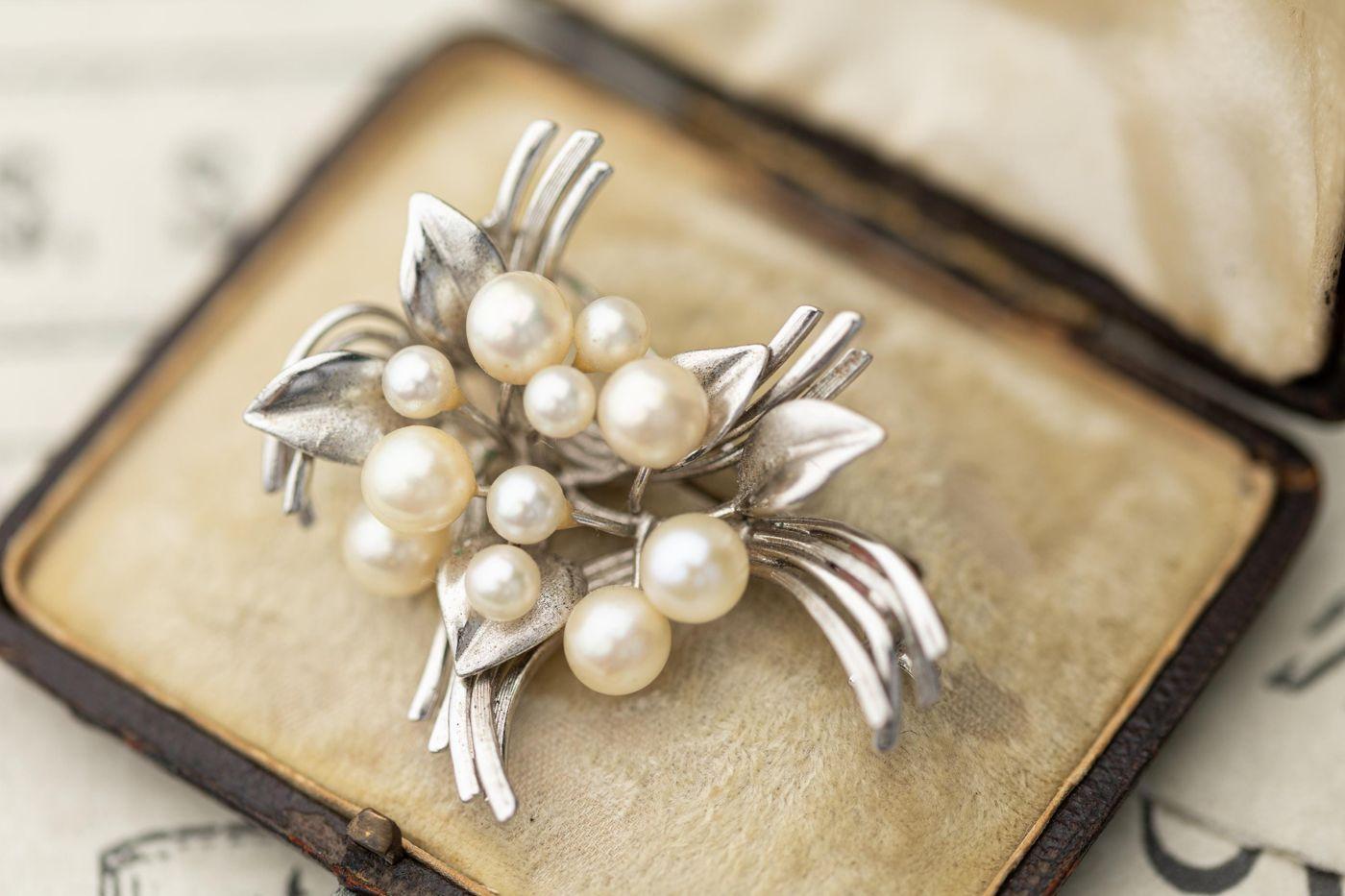
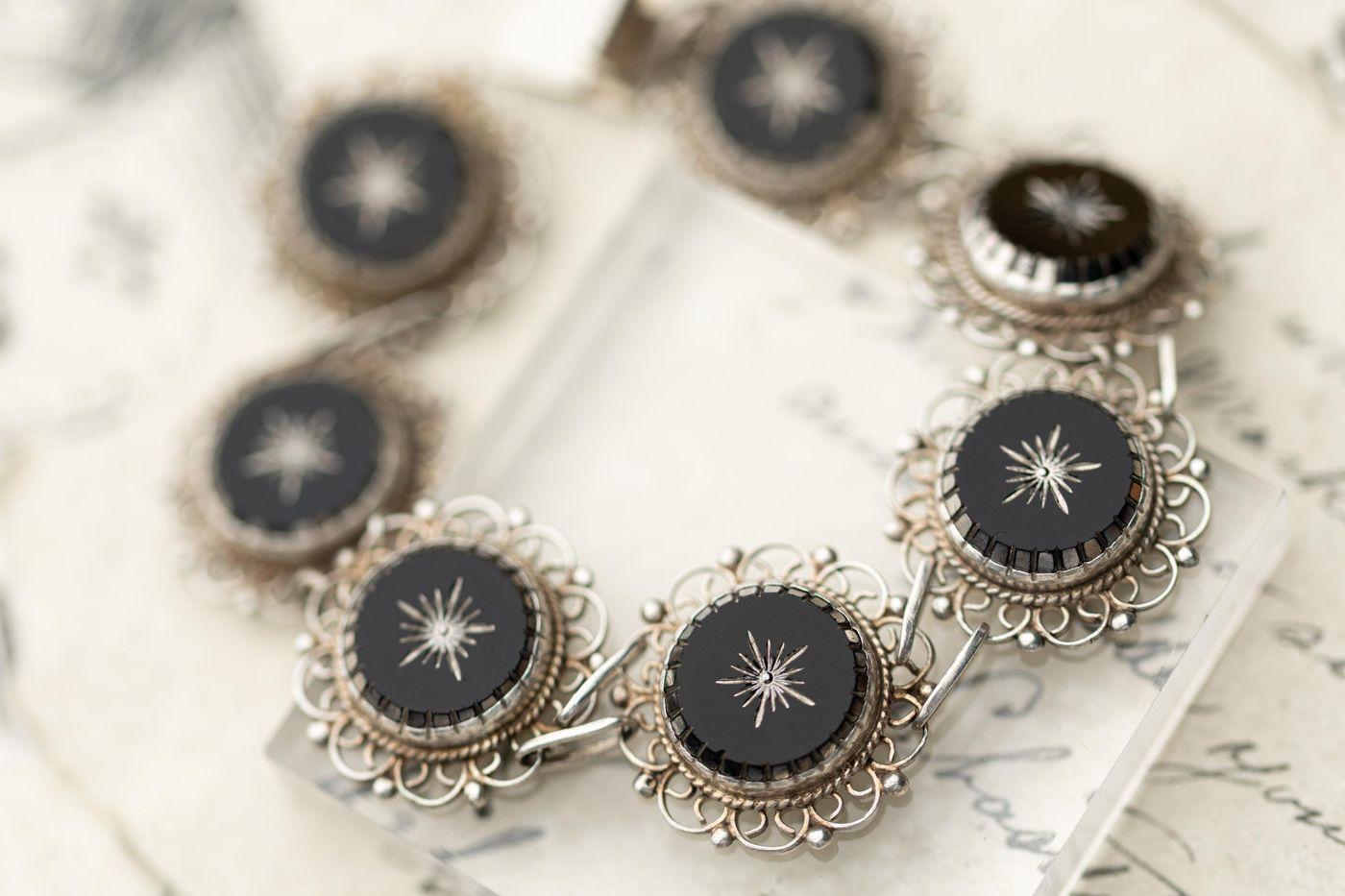
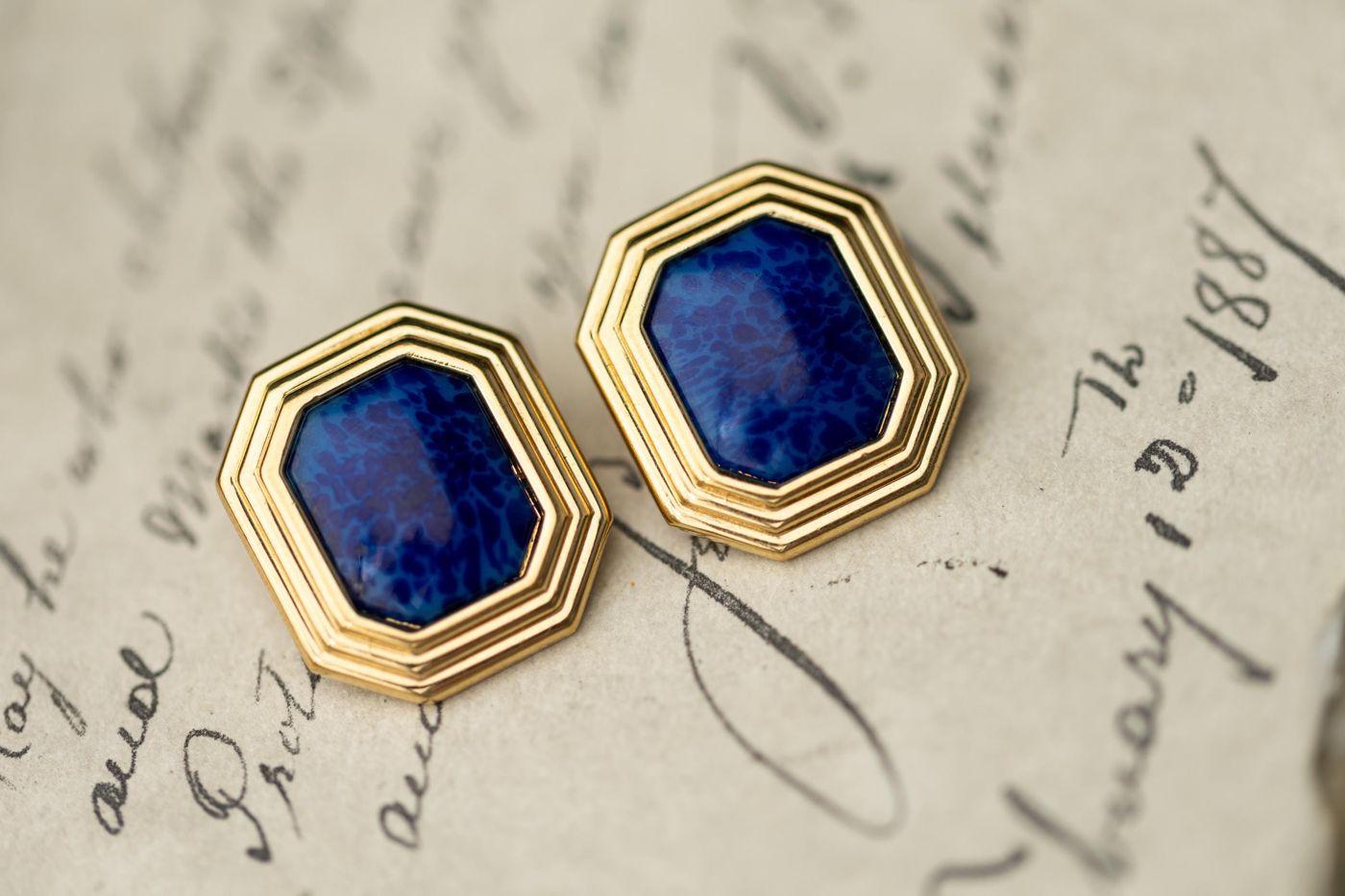
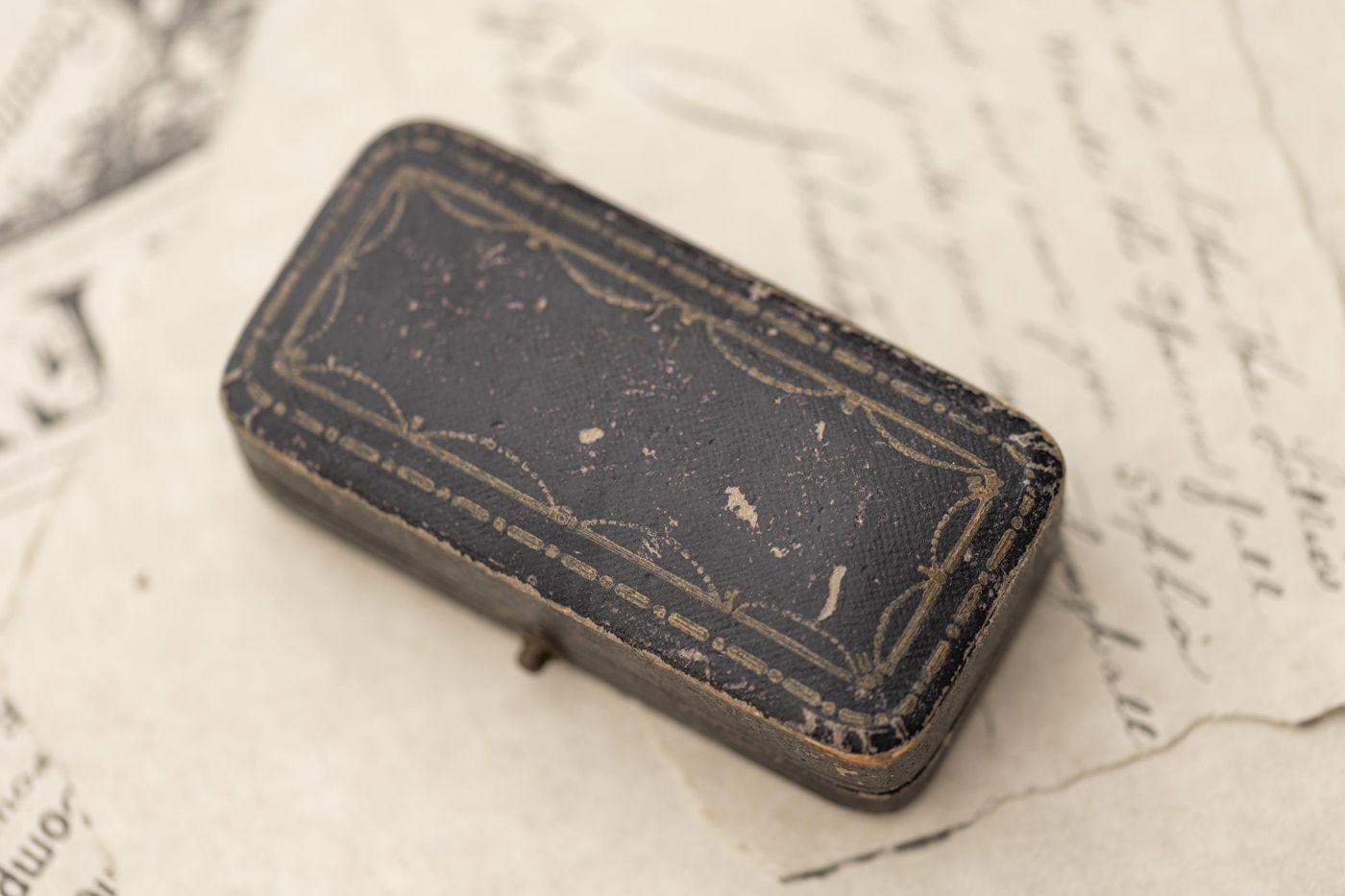
JeweledAntiques is a collection of hand-selected heirloom jewelry: Victorian watch fobs and lingerie pins, Art Deco glass necklaces, Mid Century brooches, modernist Mexican silver, and signed costume pieces by Trifari, Miriam Haskell, Kenneth Jay Lane and Joan Rivers. There's a soft spot for jewelry boxes too, from velvet-lined Edwardian brooch cases to a Dutch jeweler's stick pin box.
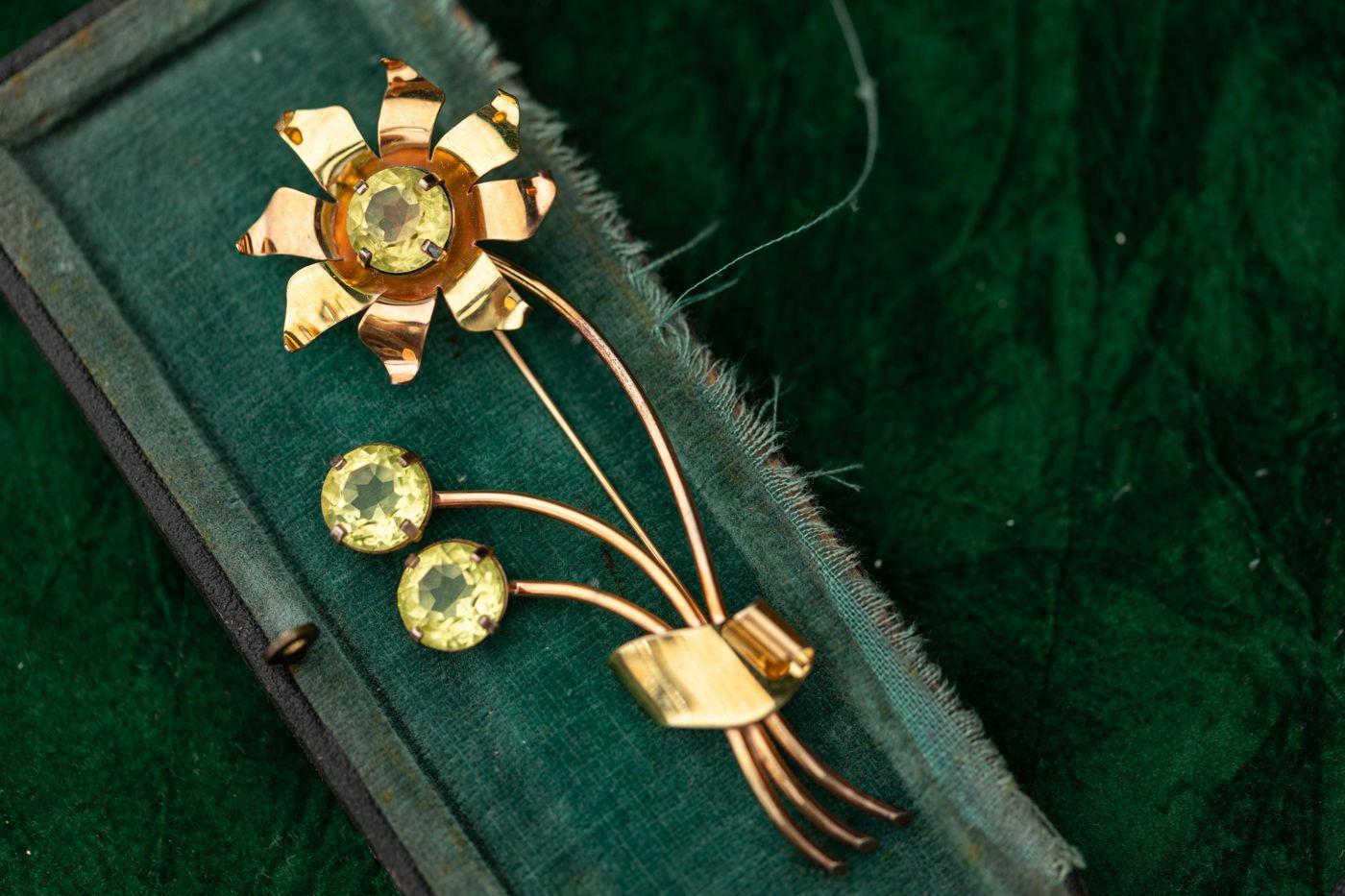
Nothing comes in sizes or options, and the shop counts that as a good thing. The item you see is the item you get, photographed on old handwritten letters, green velvet or carved black cases. Descriptions give the measurements and say plainly when there's vintage wear or when a piece has the look of a famous maker but carries no signature. As the shop sees it, jewelry has a soul full of stories, and every new owner adds one more.
Every piece sells once, so every listing starts from zero
A shop that makes its own products can write a good listing once and sell from it for years. A vintage shop can't. Each brooch, ring and bracelet is listed once and gone when it sells, so the next piece needs a new title, a new description and a new set of 13 tags.
The details also matter more than in most shops. A collector cares whether a ring is sterling, gold filled or gold over sterling, whether a necklace is signed, and which era a piece belongs to. Getting those words into the title and tags, piece after piece, is careful work, and tags are the most repetitive part of it. With more than 150 pieces in the shop, that work never really stops.
“Each piece only sells once, so I'm writing a brand new listing every time. I want my time on the photos and the description, not on thinking up thirteen tags.”
AI on the tags, the shop's own words in the title
Pieces go up on Etsy first, then get a pass in Alura's listing editor. Each listing gets a Listing score from 0 to 100, with separate grades for photos, title, description and tags, so a weak spot is easy to see. From there the shop runs AI on the tags. The AI looks at the listing and suggests a fresh set. The suggestions stay in the editor, where they can be checked and changed, and nothing reaches Etsy until the shop clicks Publish changes.
For a shop like this, tags are the obvious job to hand to AI. Thirteen slots, each up to 20 characters, have to cover the type of piece, the maker, the metal, the stones, the era and the style, and they have to be redone from scratch for every new piece.
The suggestions often pick up details from the description that the earlier tags left out. On a 36 inch Carolee bronze bead necklace that can be worn single or doubled, the new tags included "36 inch necklace", "wear two ways" and "double strand". On a blue spinel band ring, they added "silver stacking ring" and "stackable silver".
Titles are a different story. When the shop first used the editor, it let AI write titles and descriptions as well. Many of those titles have since been rewritten in the shop's own pattern. Now the shop types its titles and descriptions itself, right in the same editor, and keeps the AI for tags. The descriptions keep a steady shape: the title, the measurements, an honest line about condition, then a welcome paragraph that walks through the eras and kinds of jewelry the shop carries.
“The AI titles were fine, they just didn't sound like me. I know how a collector searches for a piece like this, so the title stays mine. Tags I'm happy to hand over.”
Titles that say what the piece is first
The titles the shop writes follow a clear pattern. The kind of piece comes first, right after "Vintage": a bee necklace, a pocket watch, a cross necklace, a pair of cat earrings. The maker, the metal and the details follow, and "Estate Jewelry" closes it out. Moves like these put the plainest description of the piece where a buyer reads first, which matters when long titles get cut off in search results. The AI tags keep the shop's habits too, with "estate jewelry" turning up again and again.
Here are a few of the shop's own rewrites, all on pieces still for sale.
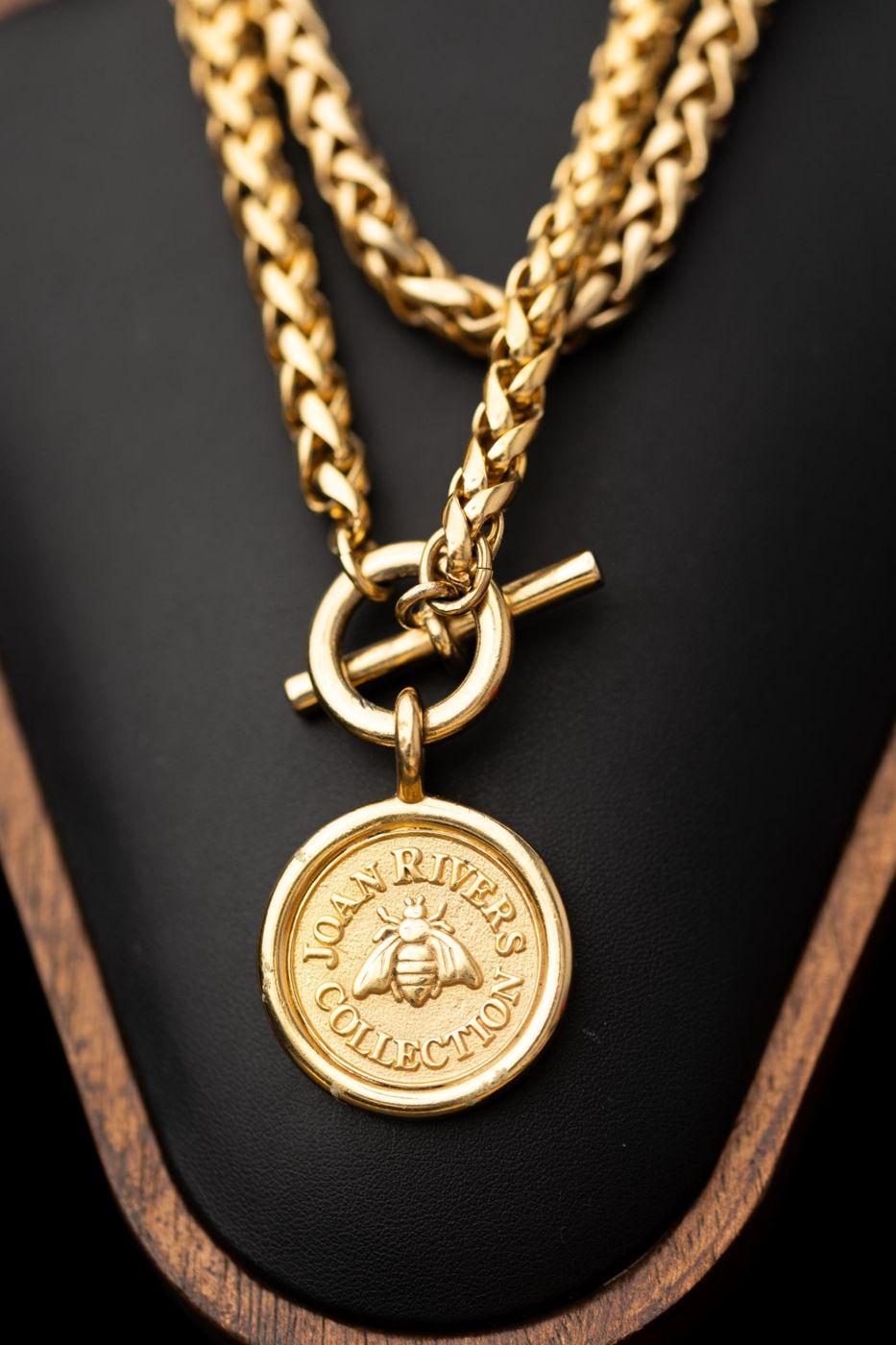
Vintage Joan Rivers Bee Necklace Gold Tone Medallion Toggle Chain Estate Jewelry
Vintage Bee Necklace Joan Rivers Gold Tone Medallion Toggle Chain Estate Jewelry
Vintage Longines Pocket Watch 10KT Gold Filled Open Face Engraved Estate Jewelry
Vintage Pocket Watch Longines Open Face Engraved Gold Filled 10KT Estate Jewelry
Vintage Gold Tone Filigree Lily Cross Necklace Religious Estate Mid Century Jewelry
Vintage Catholic Necklace Gold Tone Filigree Cross Religious Estate Jewelry
Vintage Sterling Silver Puffy Cat Earrings Dangle Drop Kitty Estate Jewelry
Puffy Cat Earrings Vintage Sterling Silver Dangle Drop Estate Jewelry
Advice for other sellers
Decide where your own voice matters and protect it. For a vintage shop, that's the title and the description, where honesty about condition and attribution builds trust. Let the tools help with the parts that are repetitive. When you write a title, put the words in the order a shopper would say them out loud: what it is, who made it, then what it's made of.
And be precise about materials. Sterling, gold filled and gold tone are different things to a collector, and saying so clearly, along with any wear, saves questions and returns later.
“Say exactly what it is and what condition it's in. If it looks like Haskell but isn't signed, tell people. Collectors remember the sellers who were straight with them.”
JeweledAntiques received Alura credits as a thank-you for sharing this story.