How AquaMagnolia is rewriting titles to put the product before the gift

AquaMagnolia
AquaMagnolia has made more than 20,000 sales of personalized desk pads, phone cases and acrylic switch plates since opening on Etsy in 2012. Heidi researches what shoppers search with Alura's keyword tools and Chrome extension, and has been rewriting titles and tags in Alura's editor so the product comes first and the gift wording moves back.
Two workshops in one shop
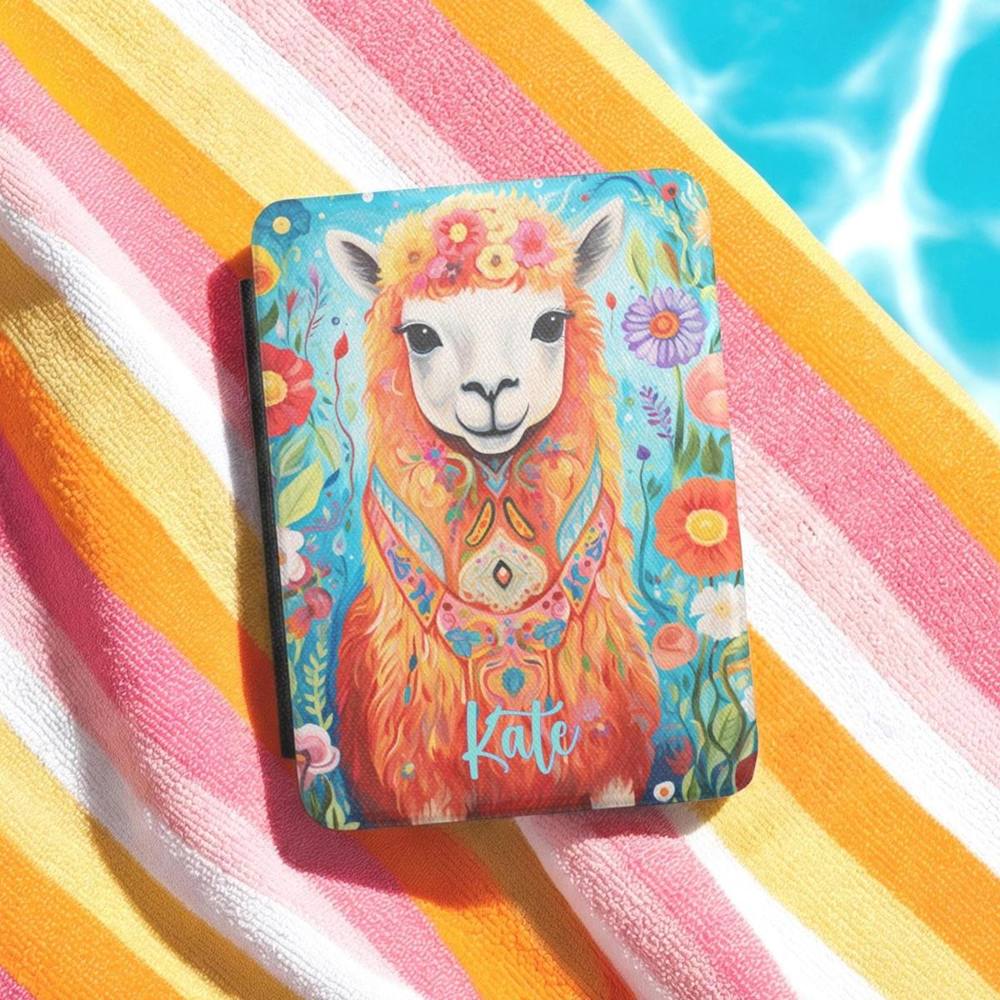
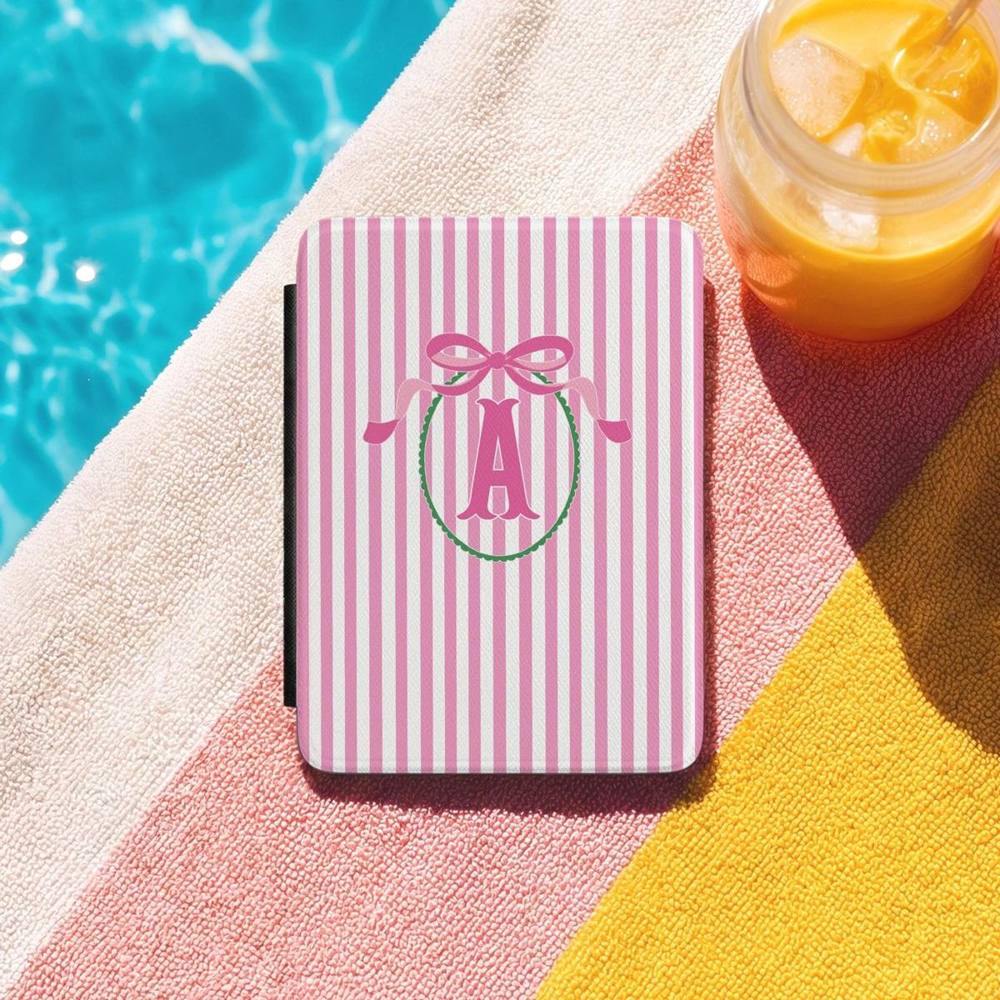
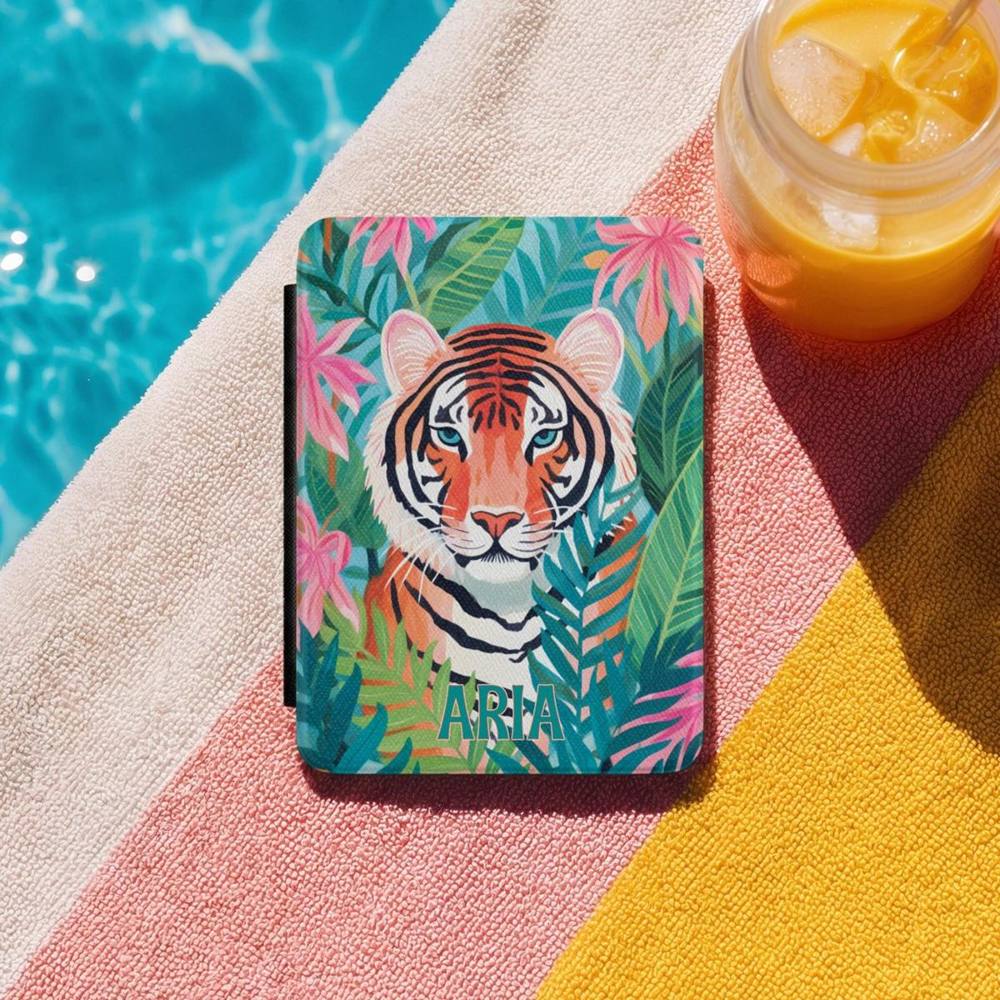
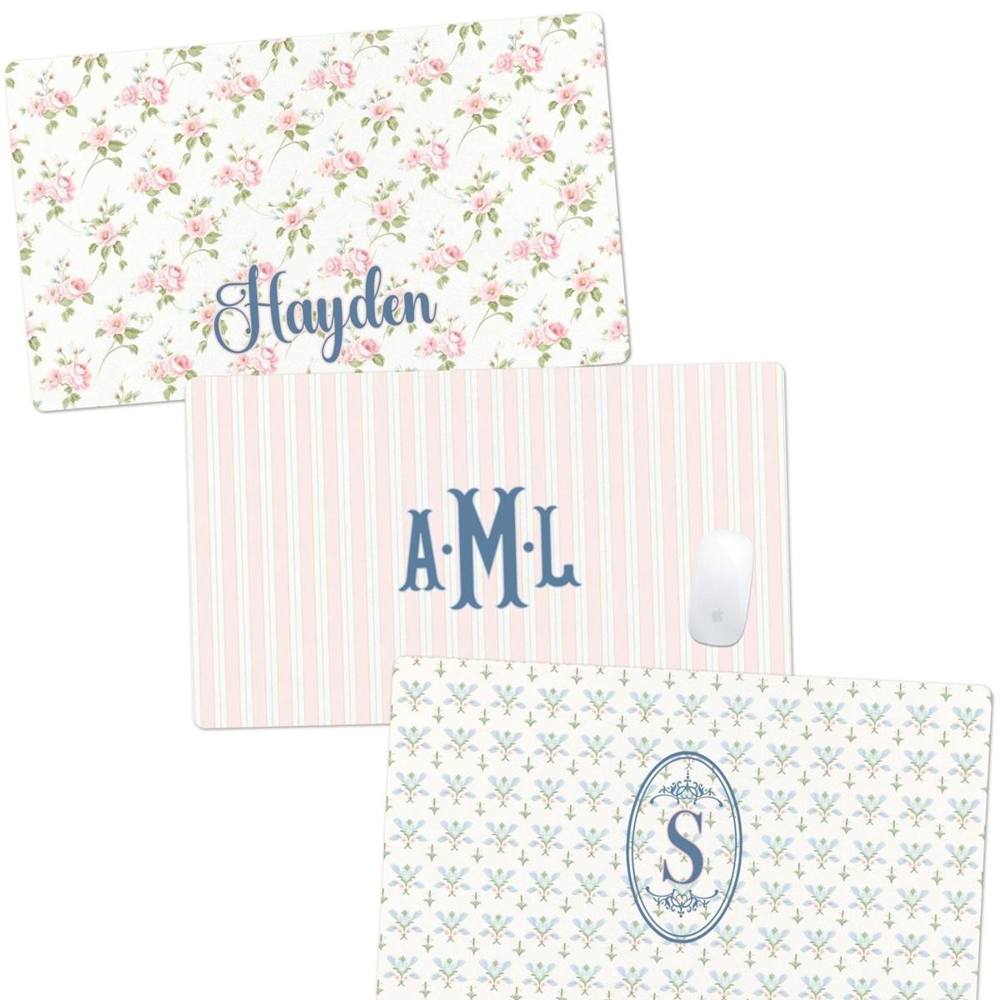
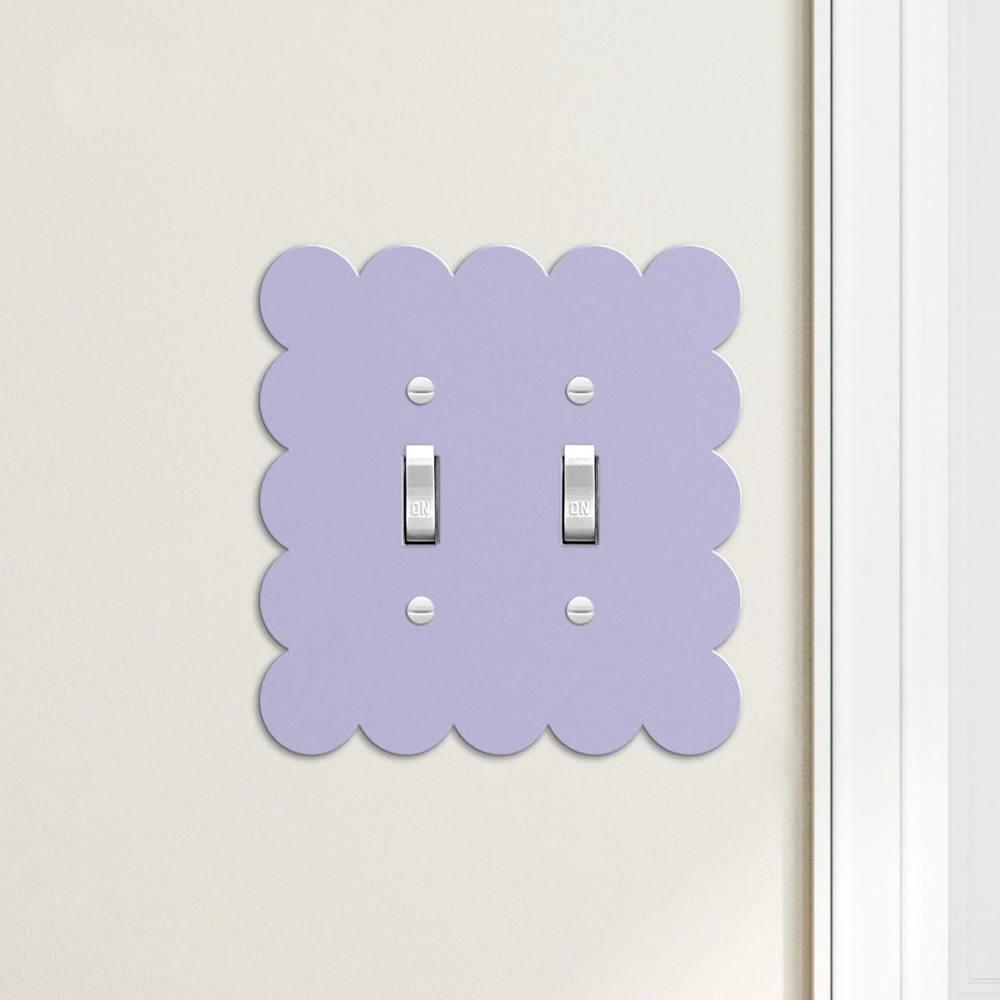
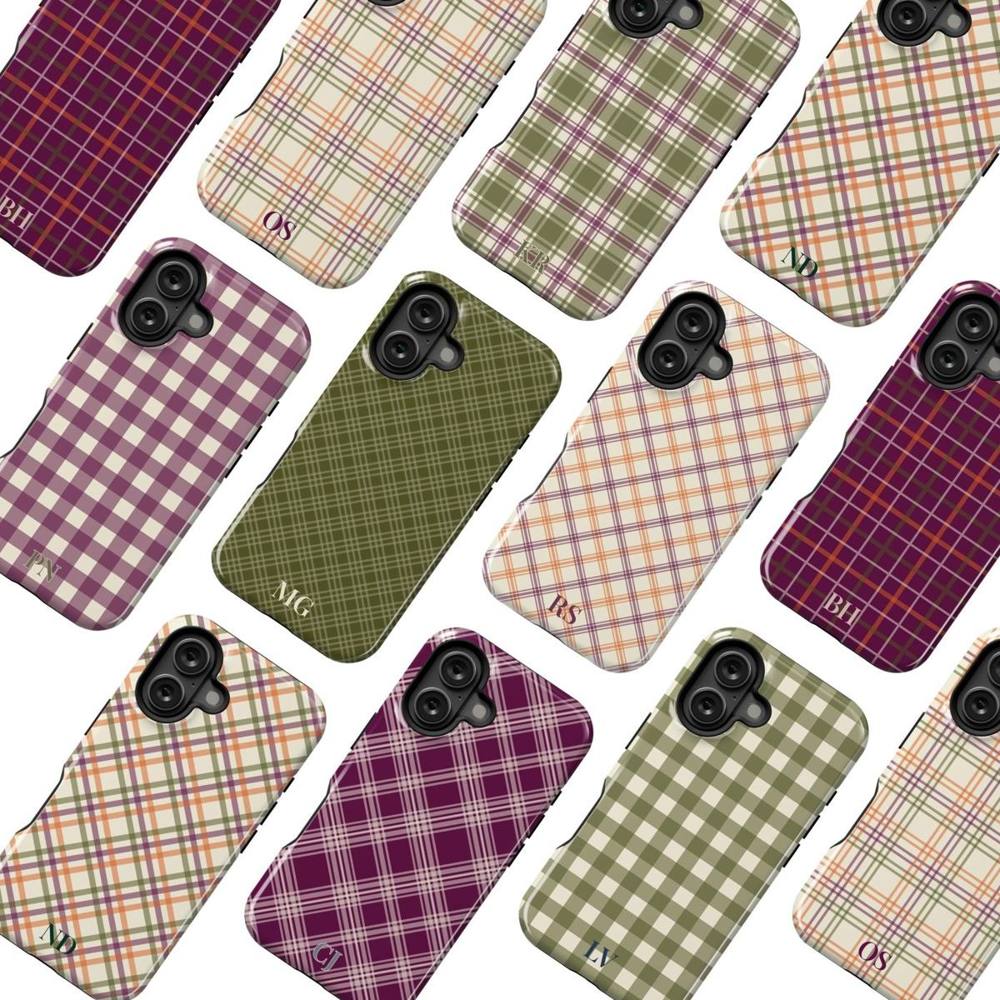
AquaMagnolia is a woman-owned shop where everything is designed and made in the USA. It works like two small workshops under one name. One side prints: personalized desk pads in pink stripes and vintage roses, doormats, garden flags, iPhone cases, and Kindle cases covered in folk art tigers, llamas and flamingos. The other side runs a laser: wavy acrylic switch plates with scalloped edges, Art Deco wall plates, kids' bedroom door signs and lightweight earrings.
Most of it is personalized with a name, initials or a monogram, so the shop sends a proof to any buyer who asks for one before anything gets made. Printed pieces and laser cut pieces run on different production times, and shipping is free on orders over $35.
Titles that described the design before the product
A catalog this mixed has a search problem built in. Someone looking for a desk pad types different words from someone looking for a phone case, and both type different words from someone shopping for a doormat. Each product line needs its own vocabulary. A switch plate shopper might type "scalloped light switch cover". A Kindle shopper adds the model, Paperwhite or Colorsoft.
Some of the older titles ran long and ended with gift phrases like "Gift for Friends", "Gift for New Pet Owners" or "Teacher Gift, Office Accessory". That made sense to a maker who thinks about who the piece is for. A shopper reads a title in a different order: first whether this is the product they want, then whether it suits them.
“I'd describe a case the way I'd tell a friend about it. Pastel stripes, a little bow. A shopper starts with personalized iPhone case, so that's where my title starts now.”
Check the search, then rewrite the title
Some of Heidi's research happens on Etsy itself. With Alura's Chrome extension open, she can search the way a buyer would and get a table of the listings on that results page, each of which opens into a listing report. It's a quick way to see how other shops describe the same kind of product.
Candidate phrases go into Alura's keyword research. Typing a phrase like "personalized iphone case" shows Alura's estimate of monthly searches, how many active listings already use it, how hard it is to rank for, and whether interest is rising or falling. The Similar Keywords list underneath is where the smaller, more specific phrases turn up, such as a color or a style word shoppers pair with the product.
The biggest number isn't automatically the target. A broad phrase with huge volume and tens of thousands of competing listings is a long shot for a small shop. A narrower phrase that still gets real searches, and that describes the product exactly, can be the better bet for the front of a title. The rest goes into tags.
The rewriting happens in Alura's editor. The listing score grades the title, tags, description and photos, which shows where a listing is thin. Heidi writes most titles herself. When she wants a second opinion, Optimize title suggests an AI version she can keep, edit or ignore. Tags get the same treatment. Nothing changes on Etsy until she clicks Publish changes.
“I look at what people actually search before I touch a title. If a phrase has real searches and I'm not buried in competition, it goes at the front.”
The product moves to the front
On the titles she rewrote, the product comes first and the gift wording steps back. The initials phone case used to end on "Gift for Friends". Now it opens with "Personalized iPhone Case" and ends on MagSafe compatibility. The acrylic paper clips dropped the office and teacher wording and spelled out what they are: colorful book page markers. The cat bowl mat kept its product name up front, swapped the gift phrase for two practical details, the polyester surface and the non-slip backing, and moved the occasion, Gotcha Day, to the very end.
Tags moved the same way. On a watercolor stripe phone case, general tags like "chic phone accessory" and "lifetime warranty" came out, and "coquette iphone case", "pink iphone case" and "lavender iphone case" went in. A Halloween doormat with a black cat picked up "cat lover doormat", "halloween cat" and "front porch mat".
Personalized Large Initials iPhone Case with Preppy Stripes for 12-17, Pastel Pattern, Gift for Friends
Personalized iPhone Case with Large Initials, Pastel Preppy Stripes, MagSafe Compatible
Acrylic Paper Clip Bookmarks, Choose from 3 Sizes, Teacher Gift, Office Accessory
Paper Clip Bookmarks, Designs in 3 Sizes, Colorful Book Page Markers
Personalized Cat Bowl Mat, Custom Pet Placemat, Gift for New Pet Owners
Personalized Cat Bowl Mat, Polyester Surface with Non-Slip Rubber Backing, Gotcha Day
Spend the title on what the buyer must check
Heidi's advice is about where the words go. A title has limited room, and the start of it does the most work. Put the product there in the plain words people search for. Then add the detail that decides the sale, like the size, the material or whether it stays put, before any gift wording. Gift words can live in the tags and the description.
“Don't spend your title on gift for friends. Spend it on what a buyer needs to know, like the size or whether the mat slides around. The gift part sells itself.”
AquaMagnolia received Alura credits as a thank-you for sharing this story.