How TaylorCutCo mixes AI titles with the sizes only it knows


TaylorCutCo
TaylorCutCo has made more than 26,000 sales of personalised keyrings, baubles and engraved gifts from Yorkshire since 2020. When it reworked its titles and descriptions in Alura's listing editor, it let the AI draft much of the wording and typed in the measurements and materials itself where they mattered.
Keyrings, baubles and a laser in Yorkshire
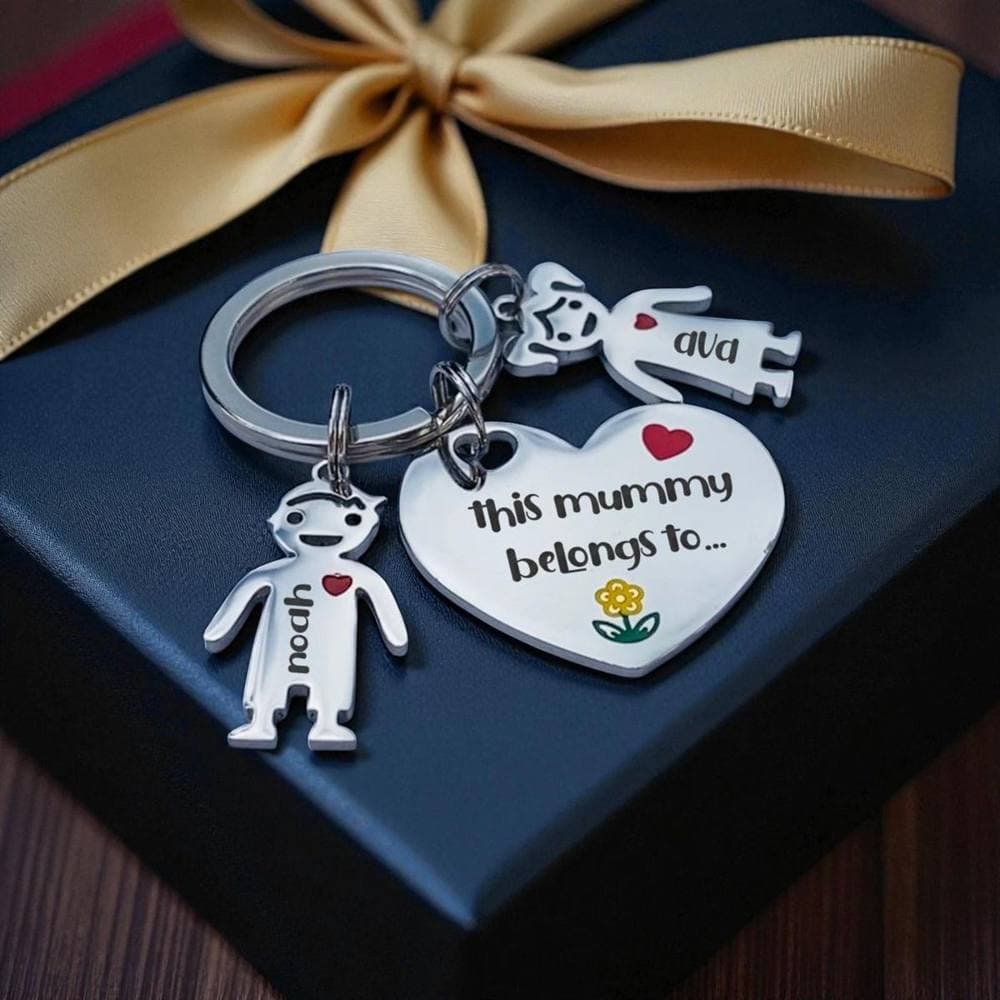
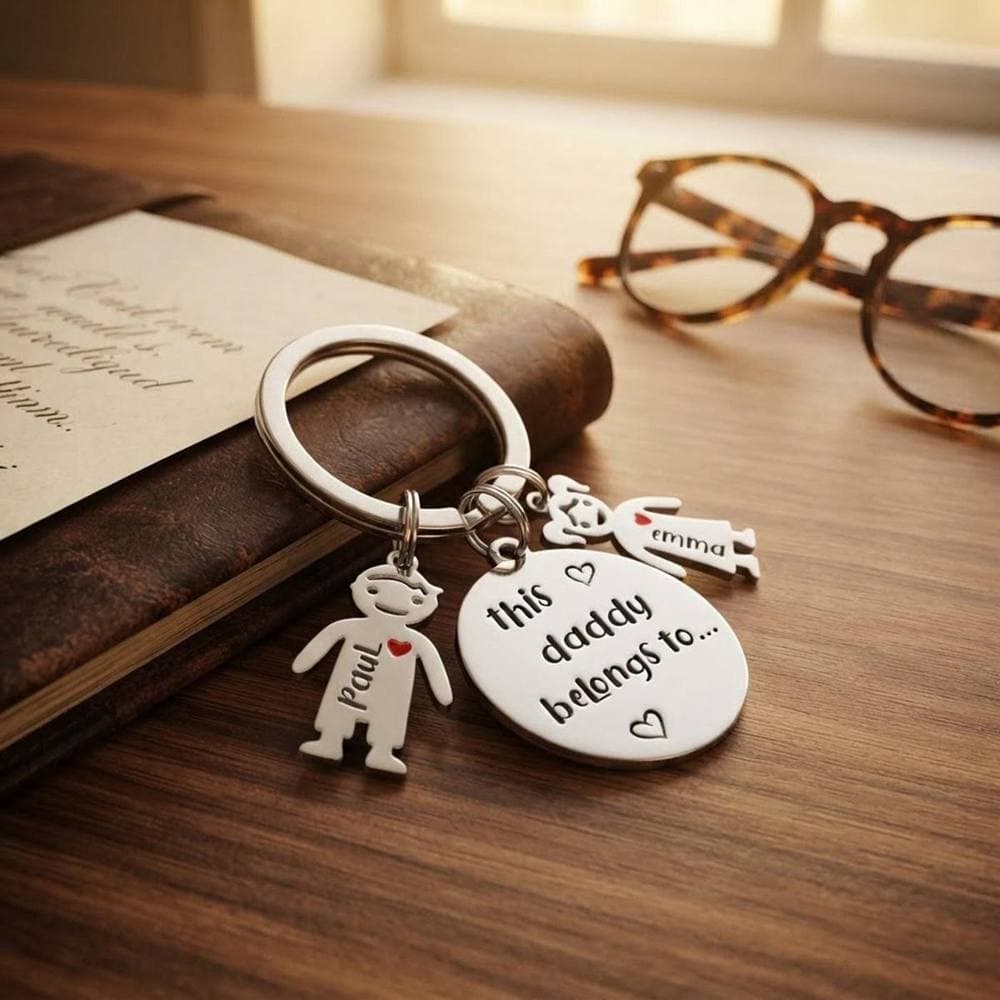
Taylor Cut Company designs personalised gifts in Yorkshire and cuts them with a laser. Much of the catalog is stainless steel keyrings with little child-shaped charms, each engraved with a name and a line like "this mummy belongs to...". Around them sit golf ball markers, bar necklaces, toilet signs, a gaming controller stand and a range of wooden Christmas baubles.
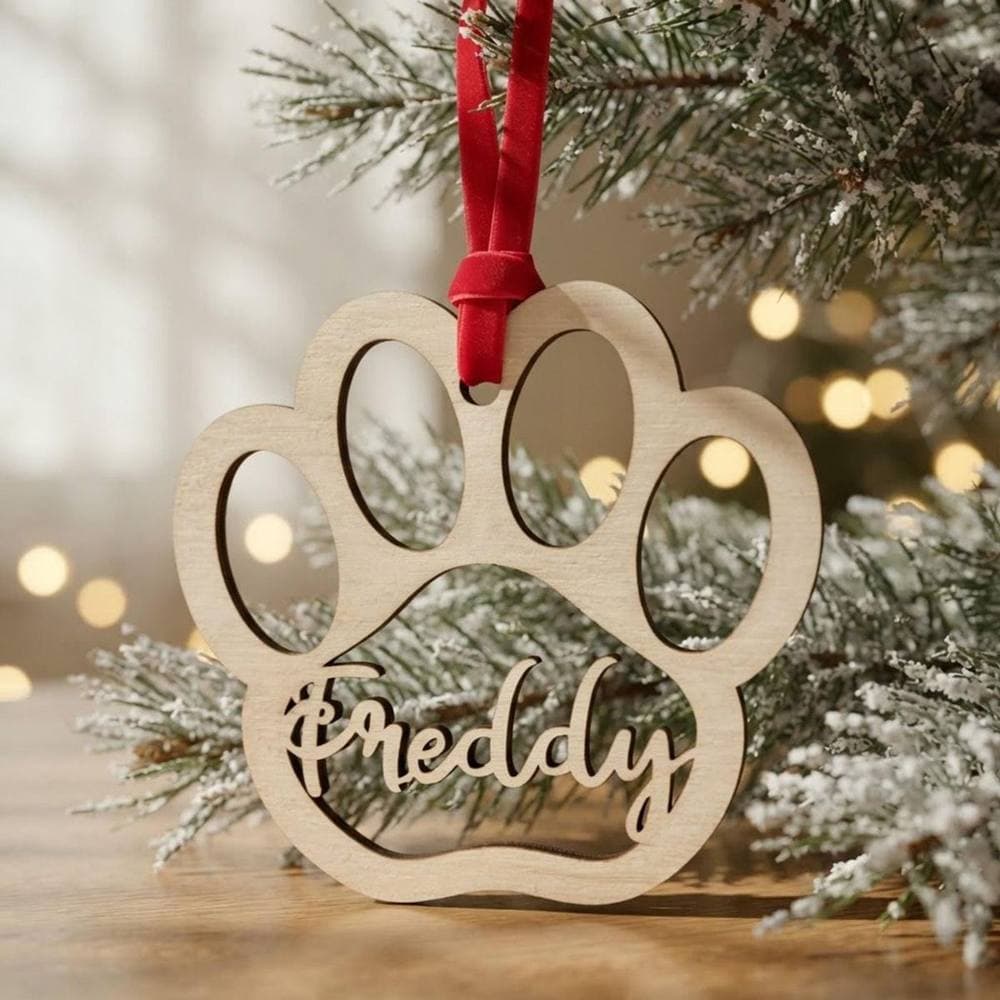
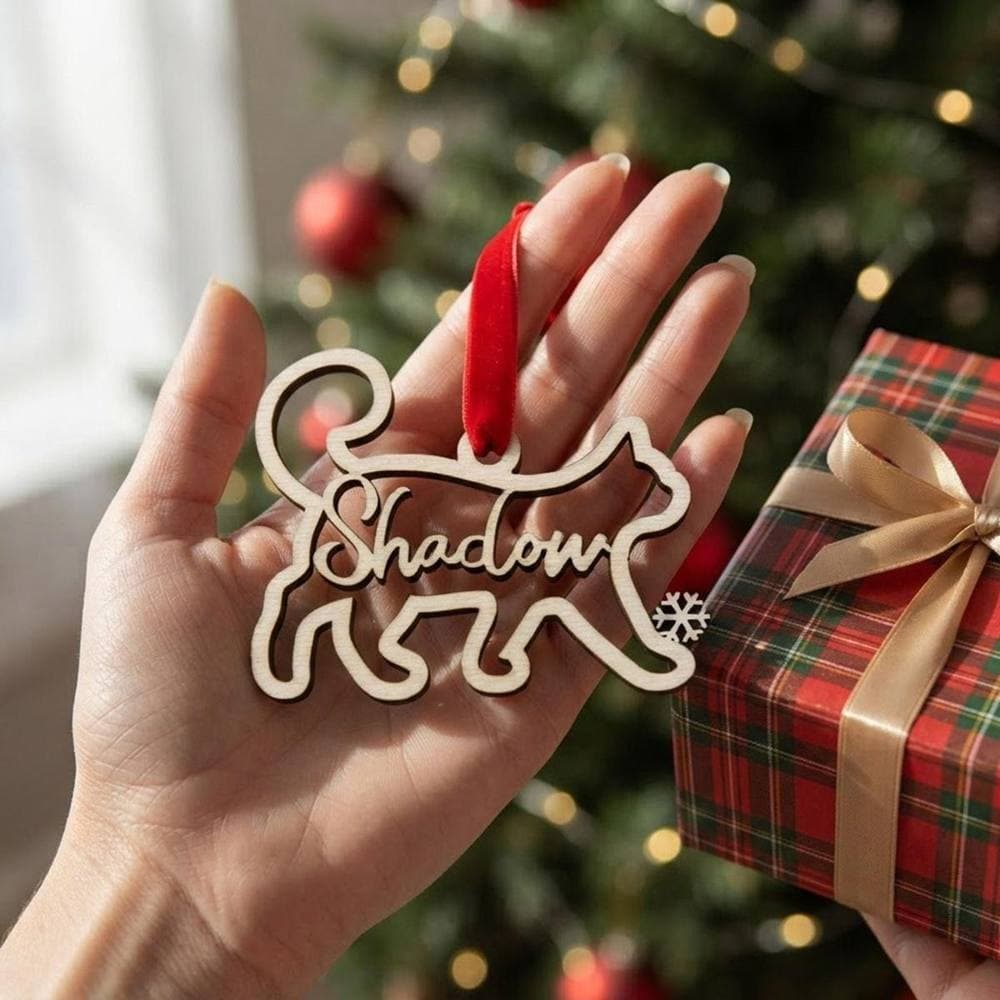
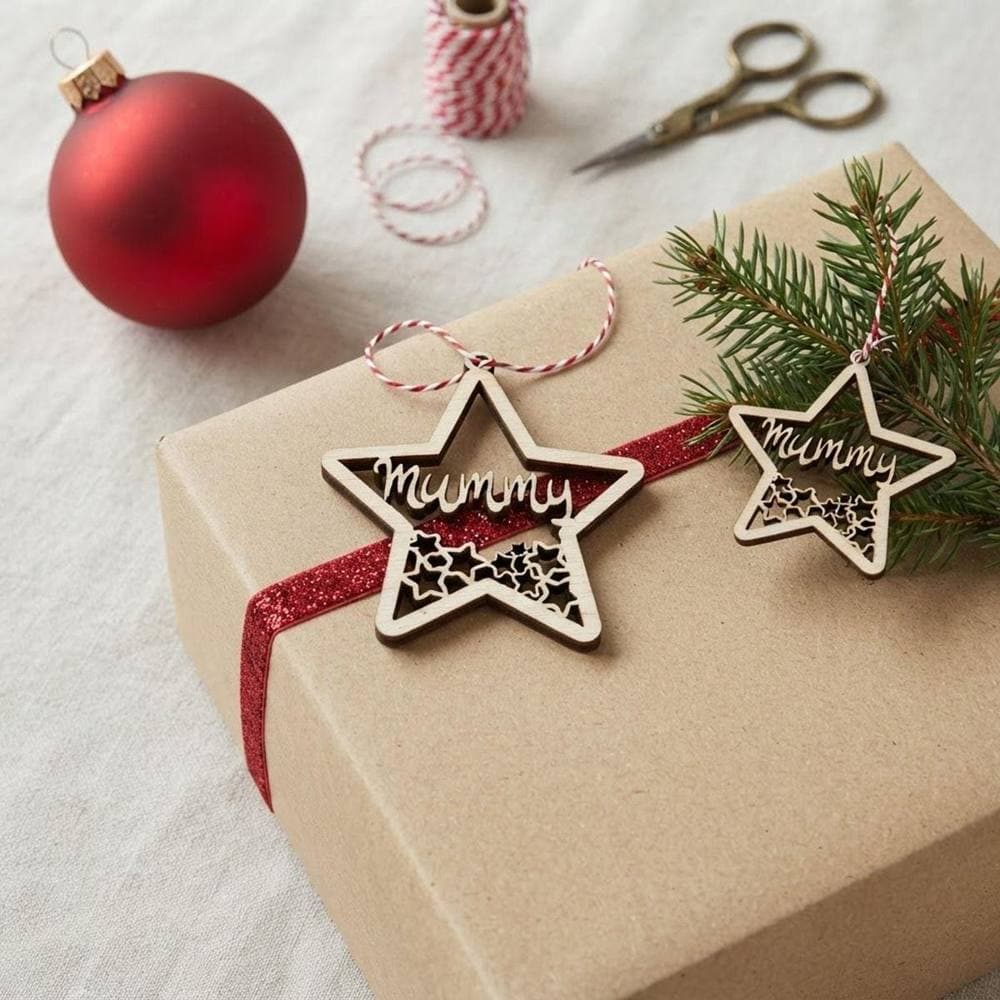
The baubles are cut from Italian poplar ply in the shape of a paw print, a cat or a star, with a pet's name worked into the design and a velvet ribbon to hang it. Since 2020 the shop has made more than 26,000 sales and earned over 4,200 reviews, averaging 4.91 stars. Every order goes out with a thank-you message from Ben.
A toilet sign that didn't say what it was made of
Some of TaylorCutCo's older titles were written for a different job. One sign was listed as "Toilet Sign. Restroom Signs, More Choices Available." That points a shopper to the options, but it doesn't say what the sign is made of, what it looks like or how big it is. Others put gift occasions like Secret Santa and pet memorial in the title alongside the product itself. The cat bauble's tag list included single words like "bauble" and "decoration", which cover a lot of ground for a cat ornament.
Handing it all to AI has its own limit. AI works from what's already in the listing. It can write a tidy sentence, but it can't know which detail a buyer checks first. That a sign comes in 3mm acrylic or 4mm poplar, or that the cat bauble is 95 mm across, is something the maker knows.
“AI's good at making a title read properly. It's not good at knowing what's on my bench. The thickness, the size, the wood, that has to come from me.”
One listing at a time in the editor
TaylorCutCo works through the shop in Alura's listing editor, one listing at a time. Each listing gets a Listing score out of 100, with separate grades for photos, video, title, description and tags, so it's easy to see where a listing is weak before touching anything.
From there, the shop ticks what it wants in Optimization settings and clicks Start optimization. The AI can draft a new title, rewrite the description, suggest tags and write alt text for the photos. Each section also has its own button, like Optimize title, for when only one part needs work. Nothing goes to Etsy yet. The changes sit in the editor until someone clicks Publish changes, View changes shows exactly what's different from the live listing, and Revert all throws the draft away if it isn't right.
AI for the wording, the maker for the facts
The rewrites show where the line falls. On most of the keyrings, the bar necklace and the paw-print baubles, the AI's version went out as written. It tends to put the thing a buyer would search for first, so "Personalised New Mum Keyring, Laser Engraved Stainless Steel Baby Keepsake Keychain" became "New Mum Keyring, Personalised Stainless Steel Baby Keepsake".
The titles typed by hand are mostly on products where a detail decides the sale. The toilet sign now names its style and both materials. The cat bauble gives its wood and its size. The gaming stand mentions the multicolour LED. The new descriptions follow a similar split: a plain opening line about what's in the photo, then the measurements, ribbon and gift box options in bullet points underneath. If something reads wrong later, Listing history can restore an earlier version.
“A keyring title just needs to say what it is and that you can personalise it. A sign's different. People want the size and the material before they'll order.”
Titles that say what the thing is
The changes are easiest to see side by side. The old titles listed gift occasions, or in the case of the toilet sign, almost nothing at all. The new ones say what the product is and the detail that decides the sale, in the order a shopper reads them. The occasions didn't disappear. On the cat bauble, Secret Santa stayed in the tags and pet memorial in the description, where they still help a buyer find the listing without crowding the title.
The tags changed the same way. The cat bauble dropped the one-word tags "bauble" and "decoration" for phrases like "cat christmas bauble" and "cat tree decoration". Most of the titles also lead with the British words, keyring and bauble, and keep keychain and ornament further along.
Toilet Sign. Restroom Signs, More Choices Available.
Toilet Sign, Art Deco Restroom Style, 3mm Acrylic or 4mm Italian Poplar Wood
Personalised Cat Christmas Ornament: Wood Bauble, Secret Santa Gift, Pet Memorial
Cat Christmas Bauble, Personalised Poplar Wood Ornament, 95 mm
Personalised Gaming Double Controller and Headset Stand
Gaming Controller And Headset Stand, Personalised Multicolour LED
Custom Engraved Keychain, Keyring With Children Charms, Gift for Mum
Personalised Keyring, Stainless Steel Engraved Keychain with Children Charms
Advice for other sellers
Put the product first and the occasion second. "Secret Santa gift" can be a tag. The title should say it's a cat bauble, and a shopper should know what they're looking at before they reach the comma.
And write down the facts only you know: thickness, size, the wood or metal, how the name will be lettered. A buyer comparing two near-identical keyrings will pick the one that answers their question without having to send a message first.
“If you can measure it, put it in the title. People are buying something with their child's name on it. They want to know exactly what turns up.”
TaylorCutCo received Alura credits as a thank-you for sharing this story.