How SmellyNoises names every print by artist, style and paper

SmellyNoises
SmellyNoises has made more than 5,700 sales on Etsy since 2020 with art calendars, jazz posters and vintage prints, many built around artists most shoppers have never heard of. The team researches keywords in Alura and rewrites its titles to one pattern: subject, product, style and paper.
A year of art on the wall
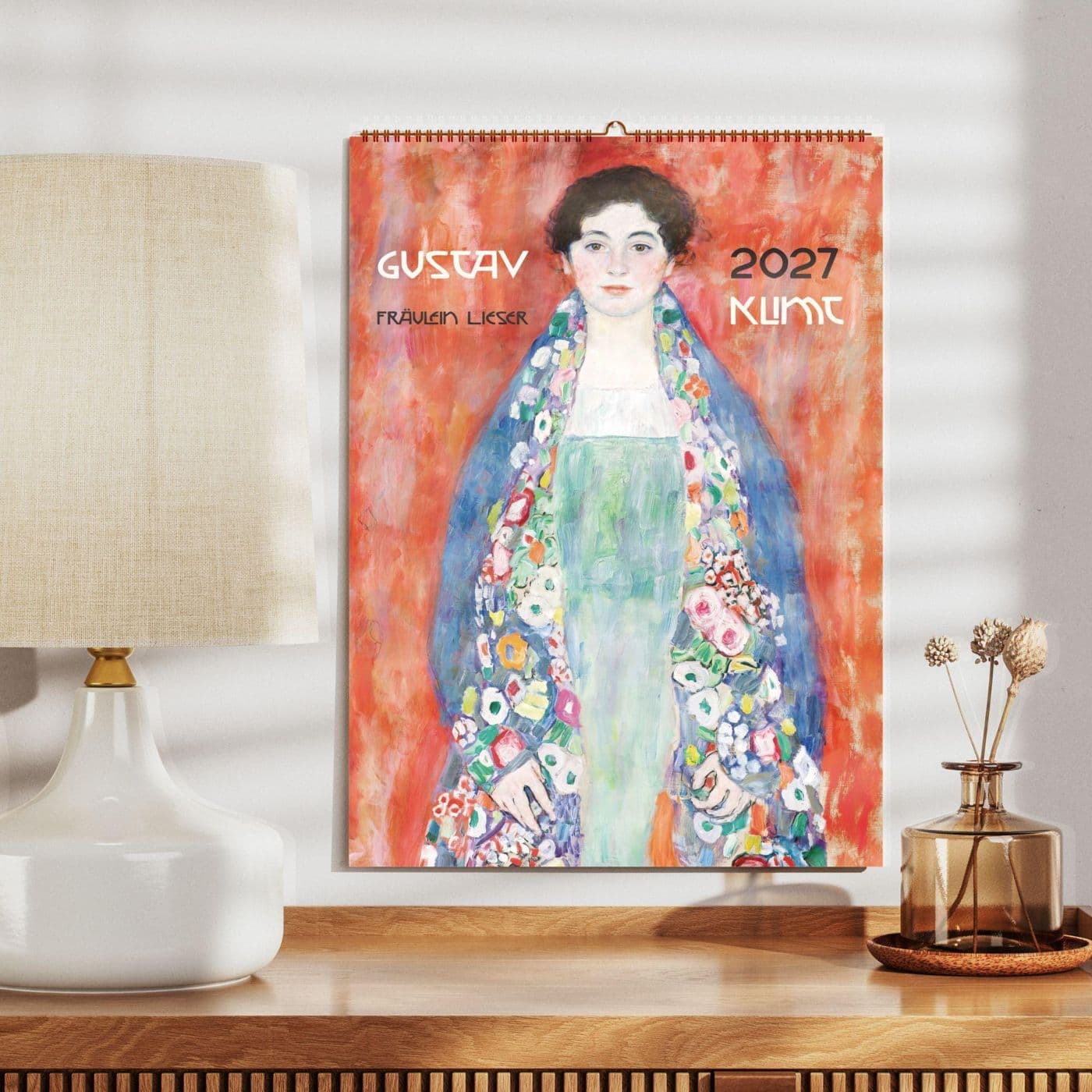
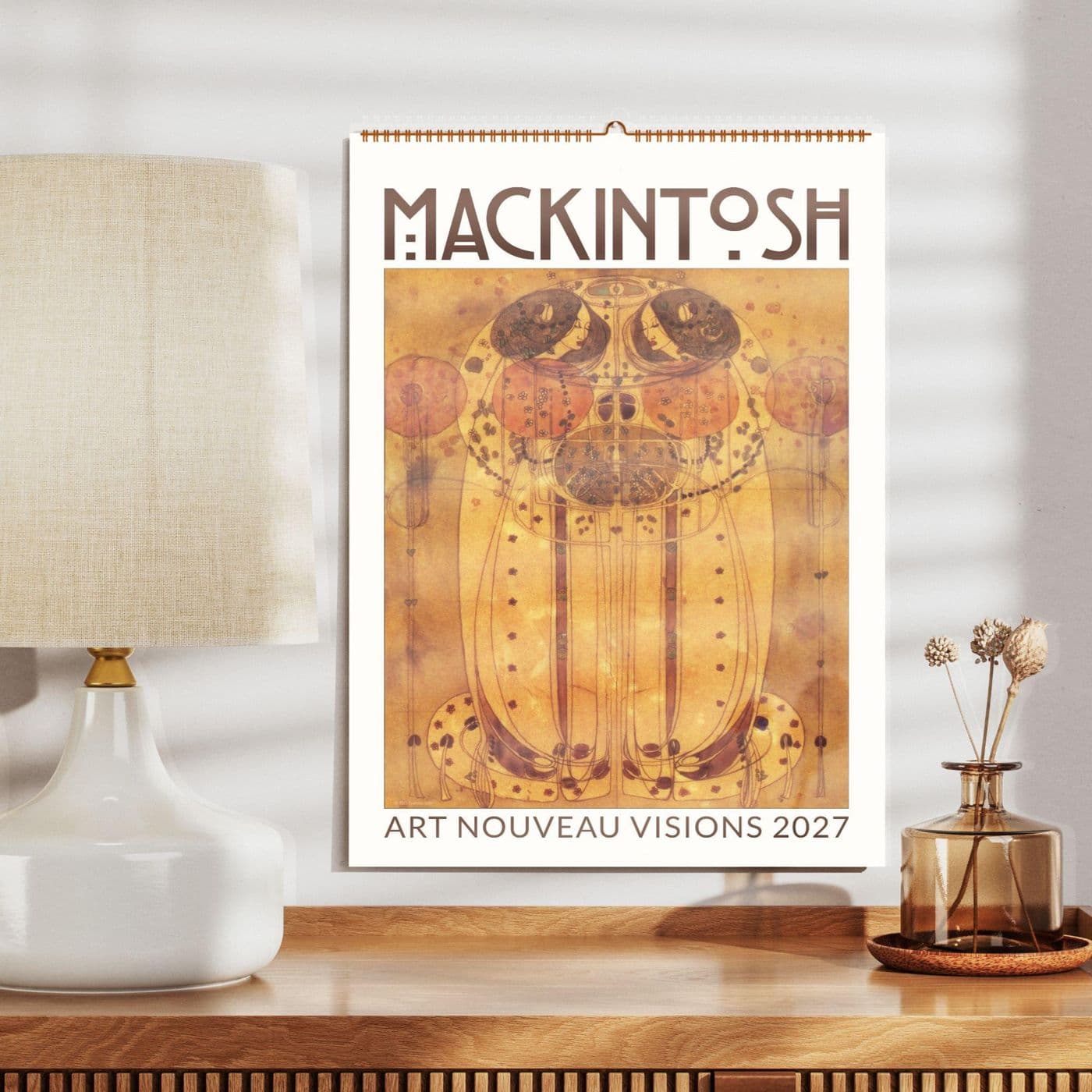
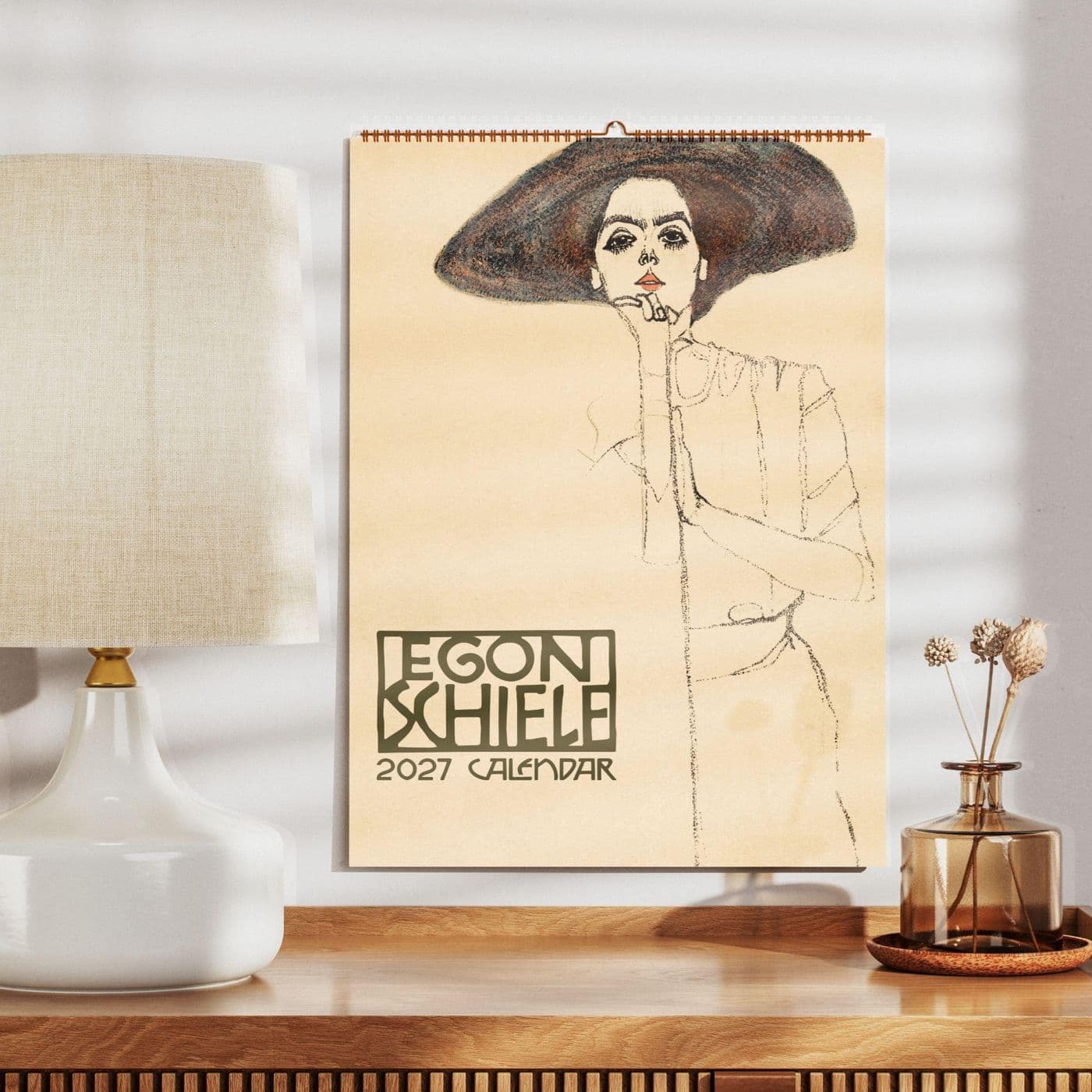
SmellyNoises is a small team in Austria making wall calendars, posters and prints around art history and the things people collect. A calendar might bring twelve works by Gustav Klimt, Koloman Moser or Egon Schiele to the wall, or a year of Japanese woodblock prints, Maria Sibylla Merian's plants and insects, or Louis Renard's fanciful fish. Many of the jazz posters use William P. Gottlieb's photographs of Billie Holiday, Duke Ellington and Ella Fitzgerald in 1940s New York. There are vintage car posters and calendars too, along with postcards and stickers.
The shop has close to 900 active listings in English and German, more than 900 reviews and a 4.8 star average. Collections run deep: there are calendars and posters for single artists, for movements like the Vienna Secession, and for whole subjects, and the automobile collection alone spans posters, calendars and stickers.
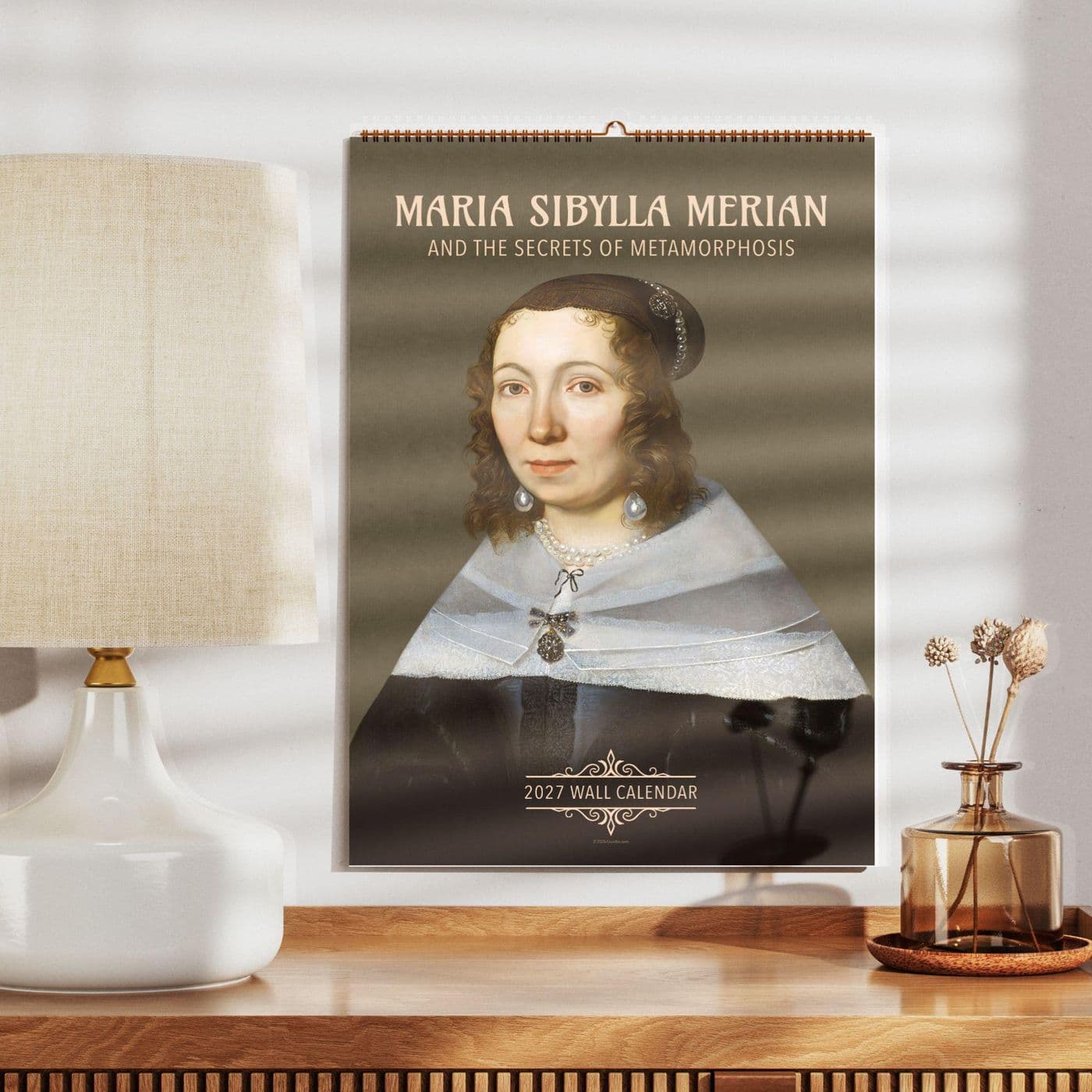
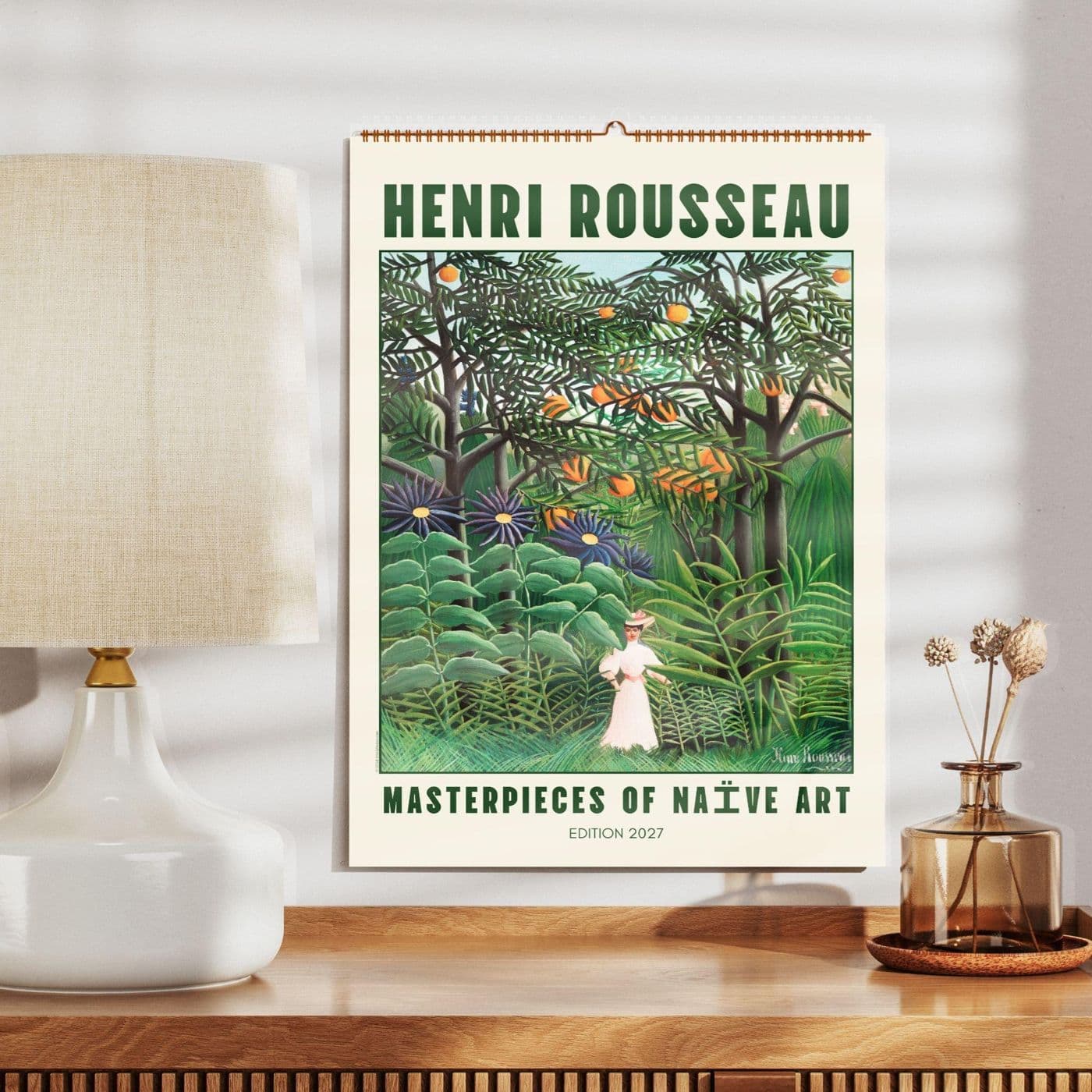
Most of the artists aren't household names
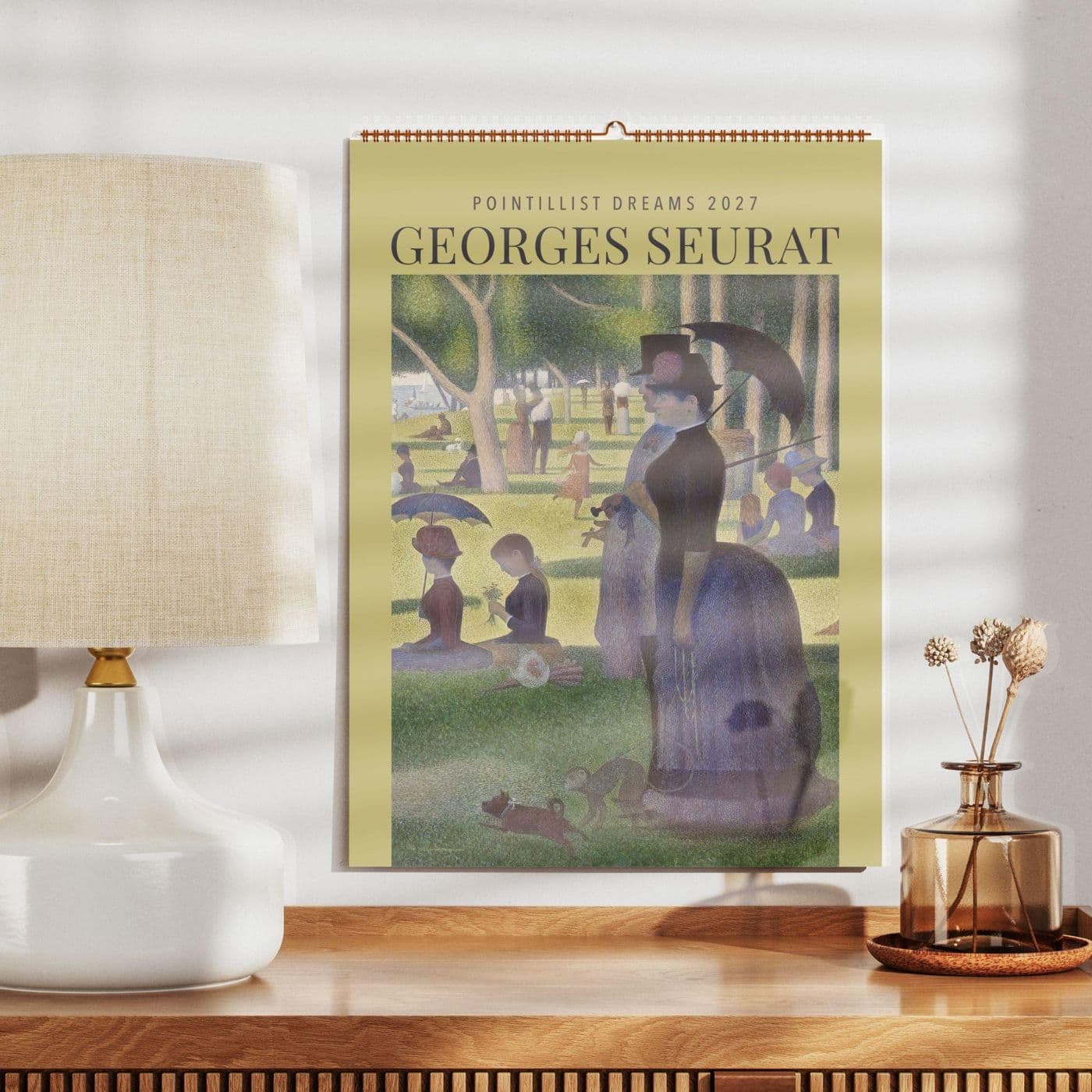
Some subjects find their buyers on their own. Someone who wants a Klimt calendar types "Klimt calendar". But much of the catalog is built around artists most shoppers have never heard of: Adolf Woelfli, Ammi Phillips, Rudolf Wacker, Pekka Halonen, Atkinson Grimshaw. A shopper who would love a year of early American folk portraits doesn't know to search for Ammi Phillips.
Many of the older titles named the subject, the product and the paper, and stopped there. "Ammi Phillips Wall Calendar - Semi-Glossy Paper" is accurate. It just speaks to the people who already know the name.
“A Klimt fan will find Klimt. The person who loves folk art but has never heard of Ammi Phillips needs the title to tell them who he is.”
Keyword research, filed the way the shop is built
The work starts in Alura's keyword research. The team types an artist, a style or a subject and reads what comes back: Search volume, Competition, which counts the active Etsy listings using the phrase, and the Trend. Similar Keywords lists related phrases, so a search for one artist can lead to the style or movement that shoppers use instead. Seeing Search volume next to Competition shows two things at once: whether shoppers actually type a phrase, and how many listings already use it.
Useful keywords get saved, and the saving follows the catalog: one list per product line, and lists of their own for some of the bigger subject collections. When a calendar is next in line for work, the words for it are already in one place.
“We keep research the way the shop is built, one list per product line. A good word for a poster can be wrong for a calendar.”
Titles rewritten to one pattern
Then the titles get rewritten in Alura's listing editor, one listing at a time. Every title follows a fixed pattern: the subject, the product, a short phrase for the style or the buyer, and the paper. "Wall Calendar" or "Jazz Poster" says what it is. "Art Brut & Outsider Art", "American Artist" or "Music Lover Gift" gives a shopper who doesn't know the name a reason to look. "Semi-Glossy Paper" or "Gallery Matte" closes most titles. The Duke Ellington poster shows the order on a poster: "Jazz Poster" first, then the name, the city and year of the photograph, then the gift phrase and the paper.
Alura's AI handles much of the rest. It drafts alt text for the photos, the short image descriptions that screen readers and search engines read, plus title, tag and description suggestions the team can keep or change. Nothing reaches Etsy until the team clicks Publish changes, and the listing history keeps the earlier versions.
Every title now gives a stranger a way in
The pattern now runs across the art calendars, the jazz posters and the car prints. The befores below were accurate: the subject, the product and, on the calendars, the paper. The afters keep that and add a phrase that helps a stranger place the subject, and the jazz poster picks up its paper too.
Read side by side, the new titles also look like they belong to one shop. A shopper who finds the Ammi Phillips calendar and clicks through to the shop sees the same shape in the Woelfli calendar next to it, and in the jazz posters further down.
Adolf Woelfli Wall Calendar - Semi-Glossy Paper
Adolf Woelfli Wall Calendar - Art Brut & Outsider Art, Semi-Glossy Paper
Ammi Phillips Wall Calendar - Semi-Glossy Paper
Ammi Phillips Wall Calendar - American Artist, Folk Art Home Decor, Semi-Glossy Paper
Duke Ellington Jazz Poster - 1946 Paramount Theater Print
Jazz Poster Duke Ellington New York, 1946 - Music Lover Gift, Gallery Matte
Write for the shopper who hasn't heard of the artist
If your catalog leans on names only fans know, give every title a second way in: the style, the movement or the kind of person who would love it. Then pick one pattern and keep to it. When every title is built the same way, a shopper skimming search results learns to read yours at a glance.
And don't leave the paper to the description. For a calendar or a print, the finish is part of what a buyer is choosing.
“Put the paper in the title. People buying a calendar as a gift want to know what they'll be holding before they order.”
SmellyNoises received Alura credits as a thank-you for sharing this story.