How LeesVintageJewels rewrote its vintage listings to describe each piece
LeesVintageJewels
LeesVintageJewels has sold vintage jewelry and collectibles on Etsy since 2013, passing 5,700 sales, and keeps more than a thousand pieces listed at a time. Some older titles and tags leaned on catch-all gift words, so the shop used Alura's listing editor to rewrite titles, descriptions and tags around what each piece is.
A 45-year collection, one listing per piece
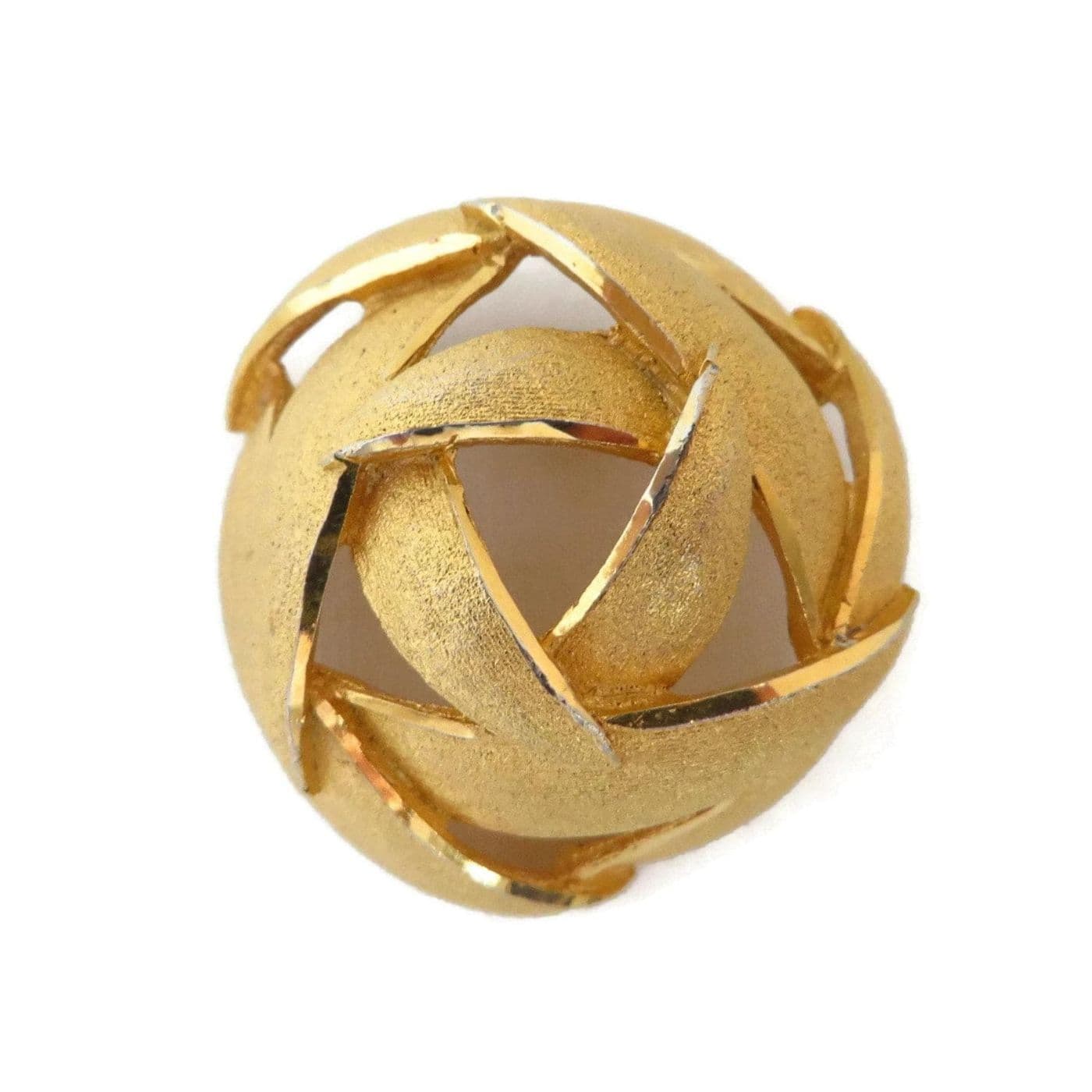
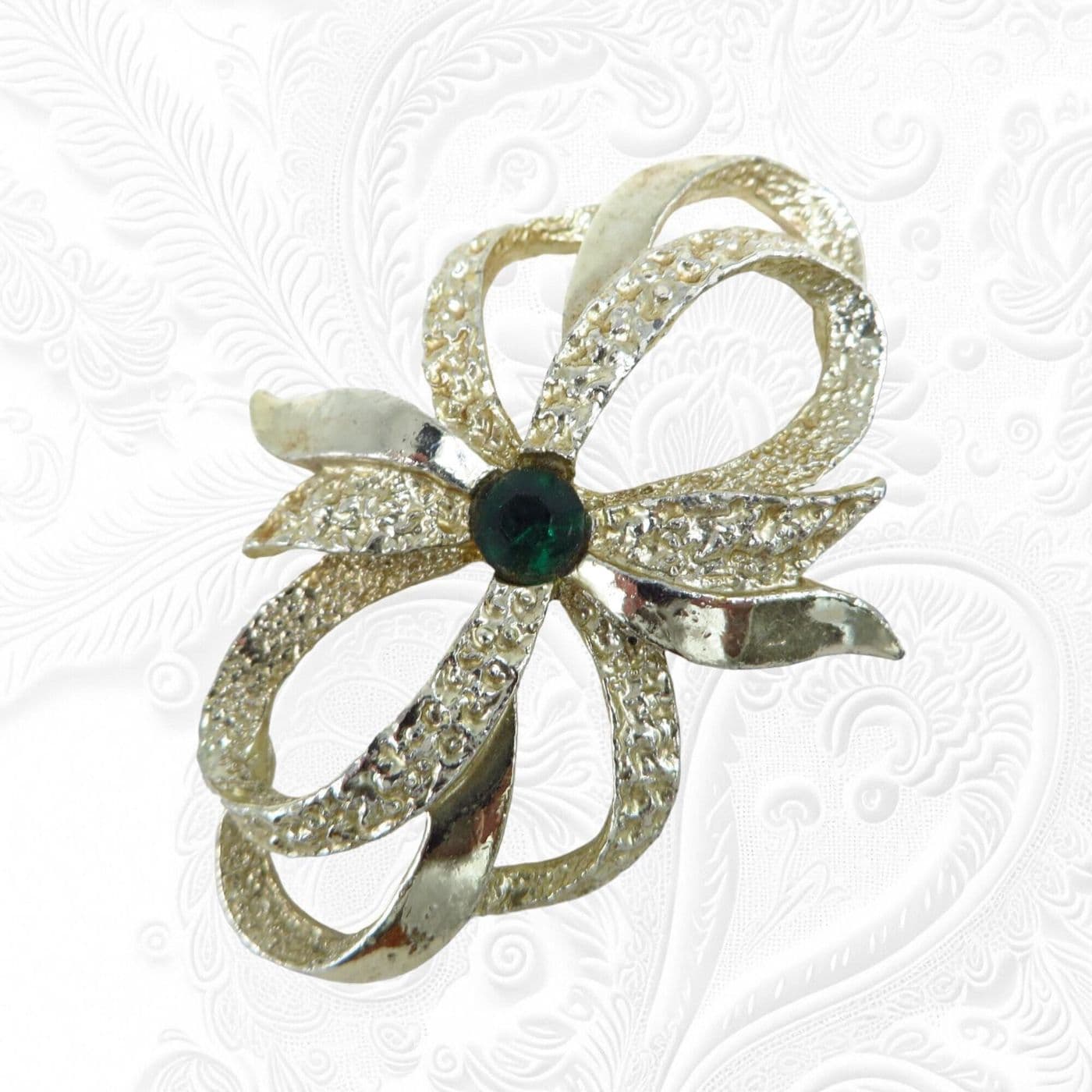
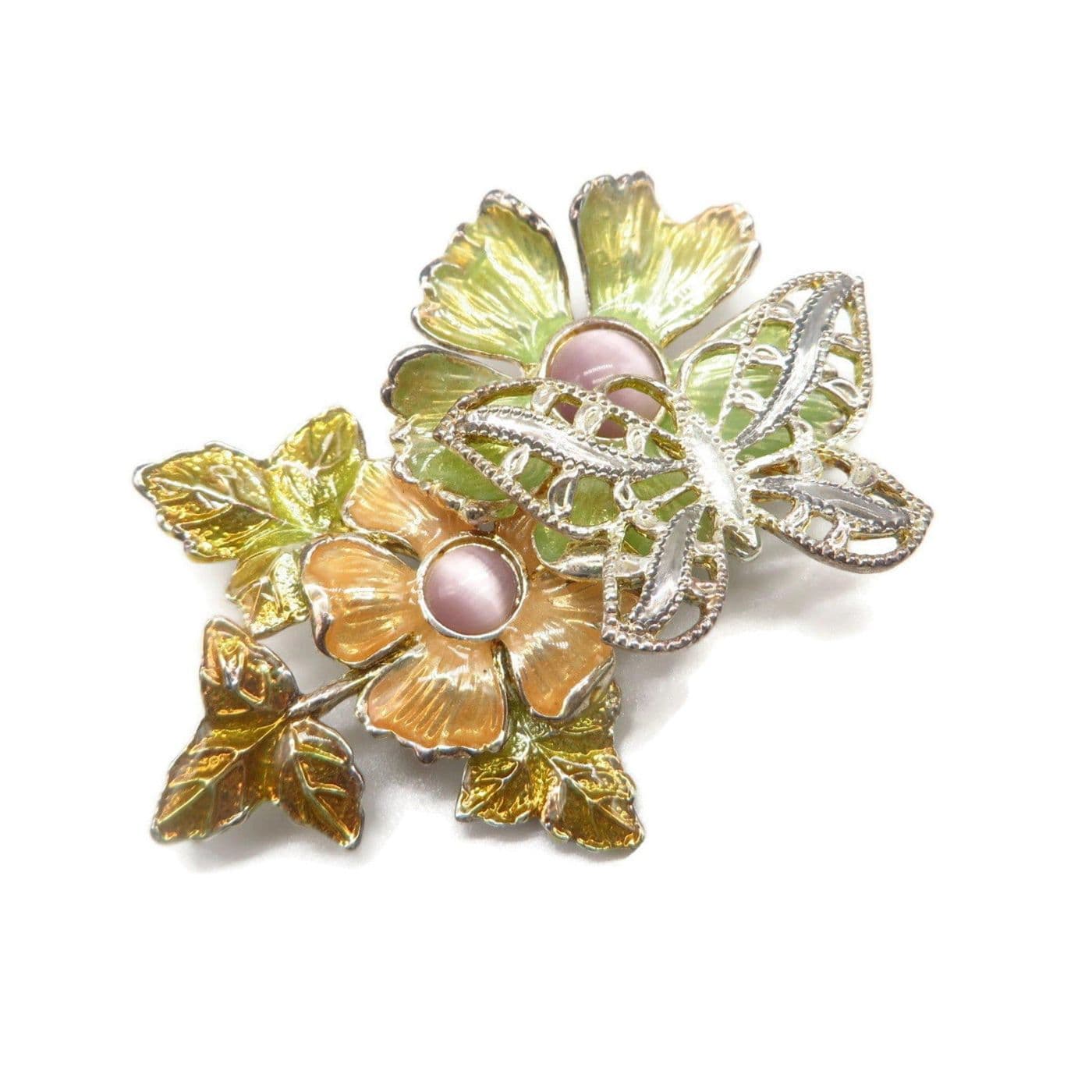
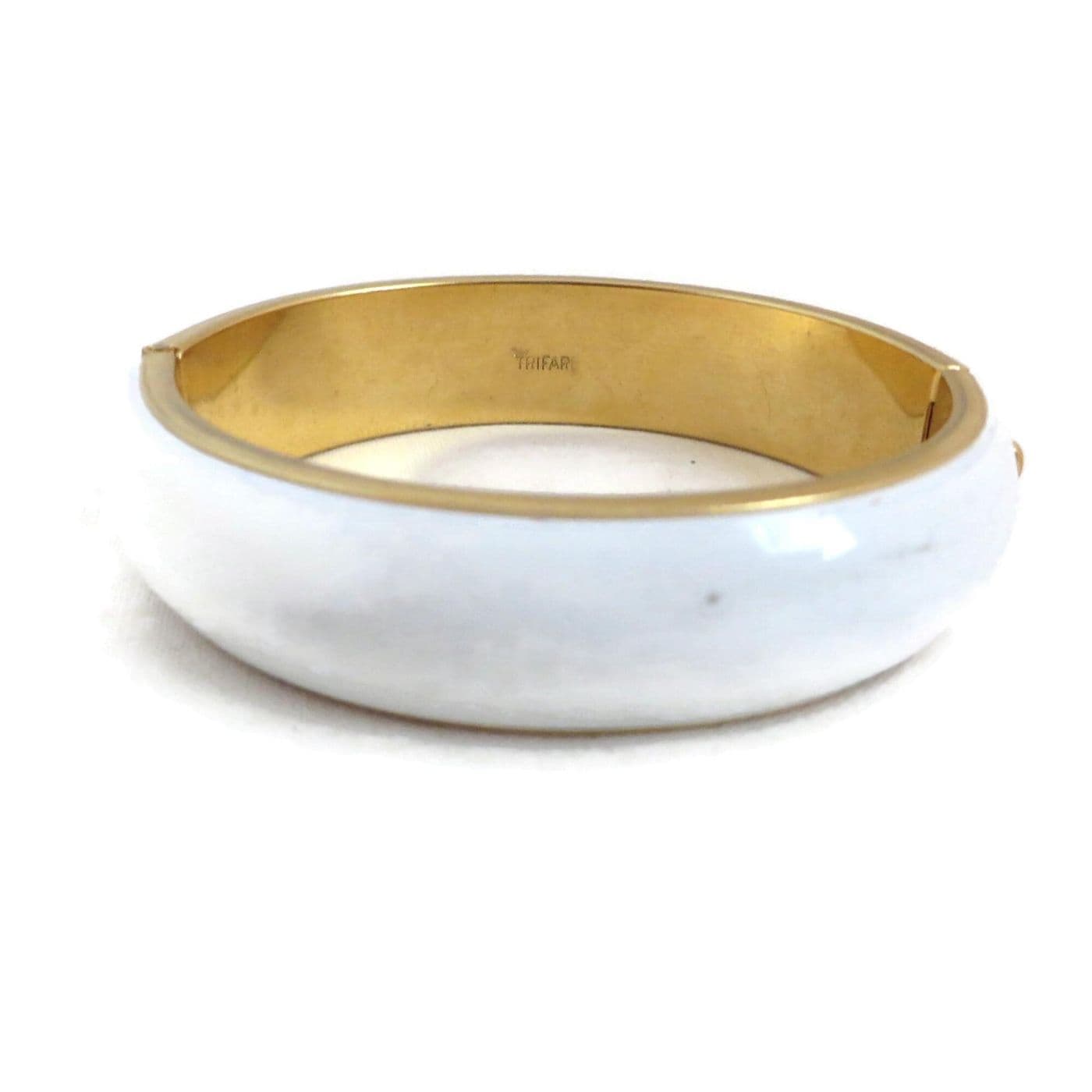
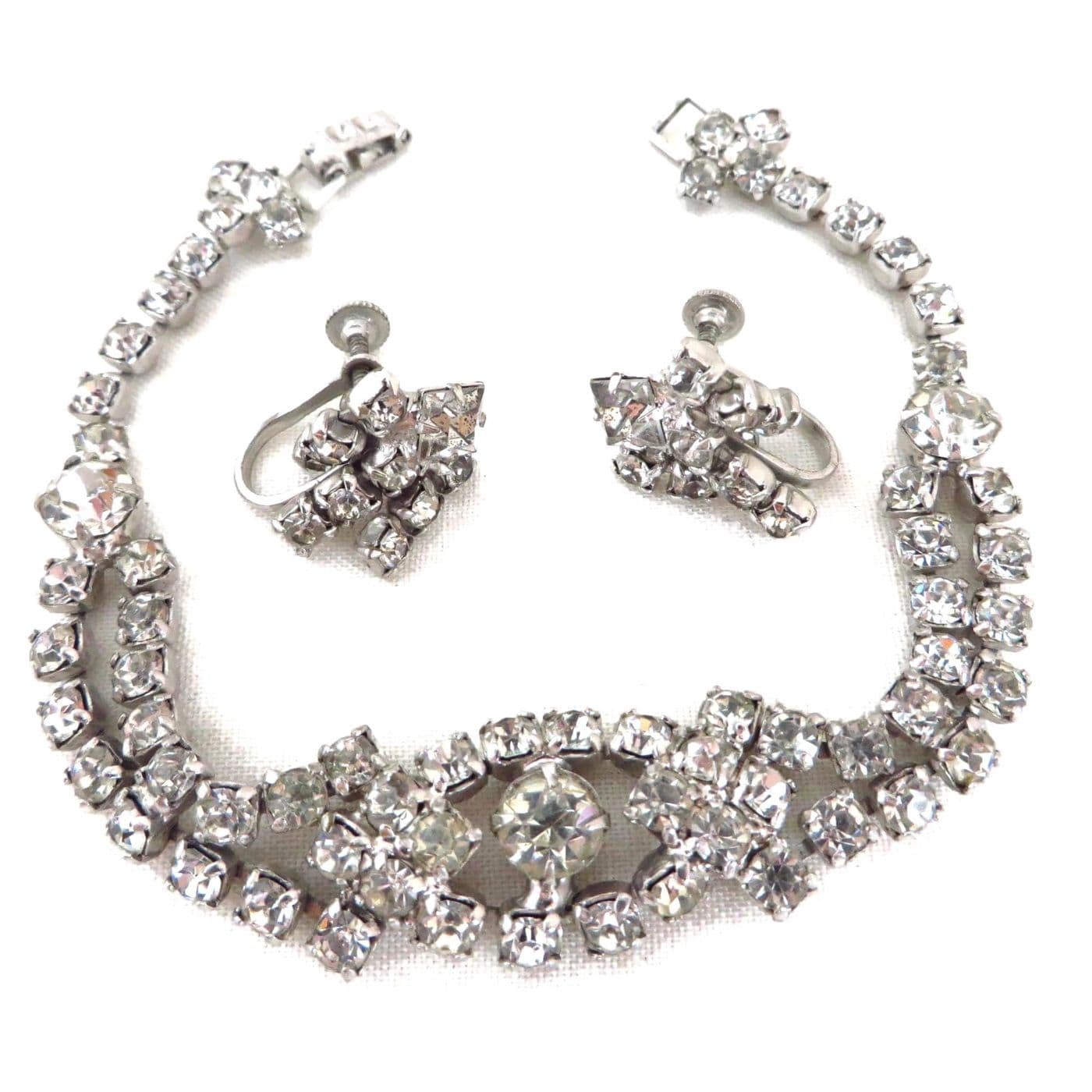
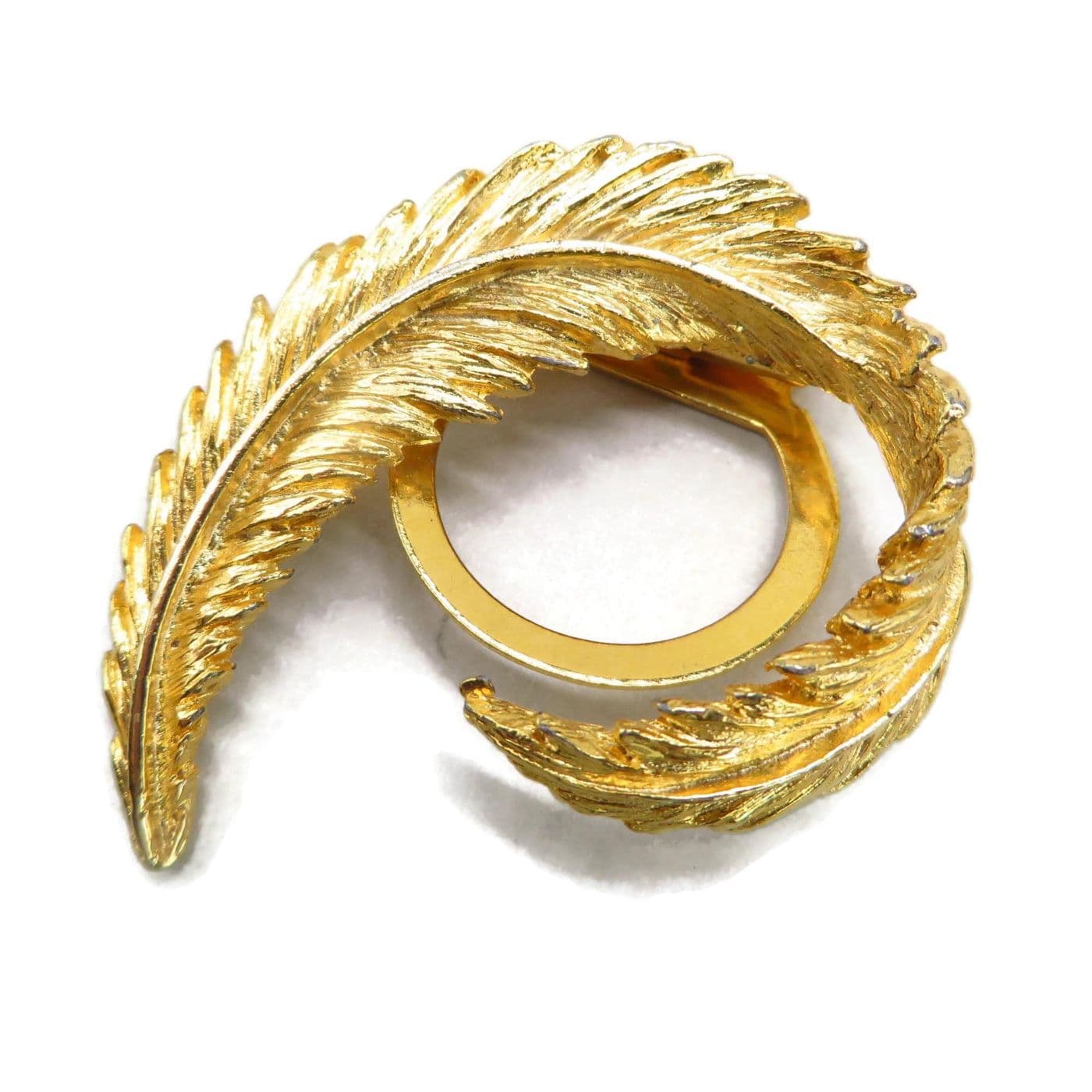
LeesVintageJewels sells vintage jewelry, accessories and collectibles gathered over more than 45 years. Open the shop and you'll find a white enamel Trifari bangle with a hinged clasp, Monet and Coro brooches, an AVON angel pendant, Hattie Carnegie clip-ons and a Coro Pegasus brooch in sterling silver.
Nothing here is made to order, and vintage pieces rarely come in multiples. Every brooch and every pair of earrings needs its own photos, its own measurements and its own listing, and the shop keeps more than a thousand of them live at a time. Orders ship the day after they arrive, Monday through Saturday. On Etsy since 2013, the shop has passed 5,700 sales and holds a 4.93 rating across more than 1,800 reviews.
Listings that leaned on gift words
When every item is a single piece, a listing tends to get written once and left alone. Some of the shop's older titles described the piece, then ended with catch-all style or gift words. A sterling marcasite dome ring ended in "Boho Hippie Jewelry". A pair of brown and black leverback earrings ended in "Boho Gift for Her".
The tags leaned toward occasions. A pair of small cranberry clip-on hoops carried Valentine's Day, Mother's Day and birthday gift tags. They said clip-on, but nothing said "non pierced", the phrase a shopper without pierced ears might type.
The descriptions had their own habit. Many opened by repeating the title, then moved straight into measurements and markings. All the facts were there, written the way a careful cataloger writes them, and none of it said much about how the piece looks. With more than a thousand listings, going back to rewrite them by hand was never going to be a quick job.
“With this many pieces up, a listing got written once and I moved on. Going back through all of them by hand just wasn't realistic.”
Working through the catalog in the listing editor
The shop does this work in Alura's listing editor, one listing at a time. Each listing opens with a Listing score from 0 to 100 and separate grades for photos, title, description and tags, so it's easy to see which part is thin.
From there the routine is short. In Optimization settings the shop ticks title, description, tags and alt text, then clicks Start optimization. The AI drafts a new version of each part, and the editor holds the drafts until someone clicks Publish changes. Nothing changes on Etsy before that. If a draft gets something wrong, Revert all throws it away, and the Listing history dialog can restore an older version later.
The new descriptions follow a different shape. After the title line comes a sentence or two about how the piece looks, then the measurements. For the cranberry hoops, that sentence now reads: "A glossy cranberry-red finish gives these Red Hoop Earrings a rich pop of color in a petite clip-on style." The measurements stayed the same.
The tag drafts move in a similar direction. Some occasion tags make room for words that describe the piece: what it's made of, the color, how it fastens. The AI also writes alt text for the photos, the short description Etsy gives to shoppers using screen readers, a job that's easy to skip with a catalog this size.
The shop still owns the facts. Signatures, sizes and condition notes come from the existing listing, and they're the part worth checking in each draft before it's published. The cranberry hoops still measure 1/2 inch wide by 5/8 inch across.
“The AI is good at the first line, how a piece looks. But a collector checks the maker's name and the size, so those have to be right before anything goes live.”
Titles that lead with the piece
Put the old and new titles side by side and the pattern is easy to see. The maker's name stays near the front when there is one. The type of piece, the material and the size follow, and the catch-all endings are gone. On the hoops, the tags now include "non pierced hoops" and "clip on hoops", the words a shopper with unpierced ears would type.
The descriptions read differently too. A ring or a pair of clip-ons now opens with a sentence a shopper can picture, followed by the same measurements the shop has always given. The photos carry alt text. The pieces themselves, and the way the shop describes their condition, haven't changed.
Sterling Silver Marcasite Ring, Vintage Dome Ring, Size 7.75, Boho Hippie Jewelry
Vintage Marcasite Ring, Sterling Silver Dome Design, Size 7.75
Hattie Carnegie Pave Rhinestone Earrings: Gold Tone Clip-on Earrings
Hattie Carnegie Clip-on Earrings with Pave Rhinestones in Gold Tone
Vintage Dangling Stone Earrings: Brown and Black Leverback Earrings Boho Gift for Her
Vintage Dangling Stone Earrings, Brown and Black Leverback Style
Tags: Valentines day gift, Birthday Gift, Mother's Day Gift, Minimalist Jewelry
Tags: non pierced hoops, clip on hoops, cranberry earrings, petite hoop earrings
Describe it like the buyer is holding it
For other vintage sellers, the advice is about the piece itself. Measure everything, note every signature and mark, and say how it fastens. Someone buying old costume jewelry wants to know about the clasp and the size before they want the story behind it.
The second tip is about honesty. Older pieces have worn plating and faded gold trim, and saying so up front in the listing saves a disappointed buyer and an awkward message later. A clear note about wear is part of the description, not something to hide in the last line.
“Turn it over and write down what's stamped on the back. Then say if it's a clip, a screw back or a pierced post. That's what people ask me about.”
LeesVintageJewels received Alura credits as a thank-you for sharing this story.