How OldCoinCufflinks put the coin before the birthday in its titles
OldCoinCufflinks
OldCoinCufflinks has made more than 16,000 sales of coin jewellery on Etsy since 2012, with a separate listing for almost every coin and year. Those listings had grown from one template, so the shop used Alura's listing editor to rewrite titles, tags and descriptions around what each piece actually is.
A coin for every year
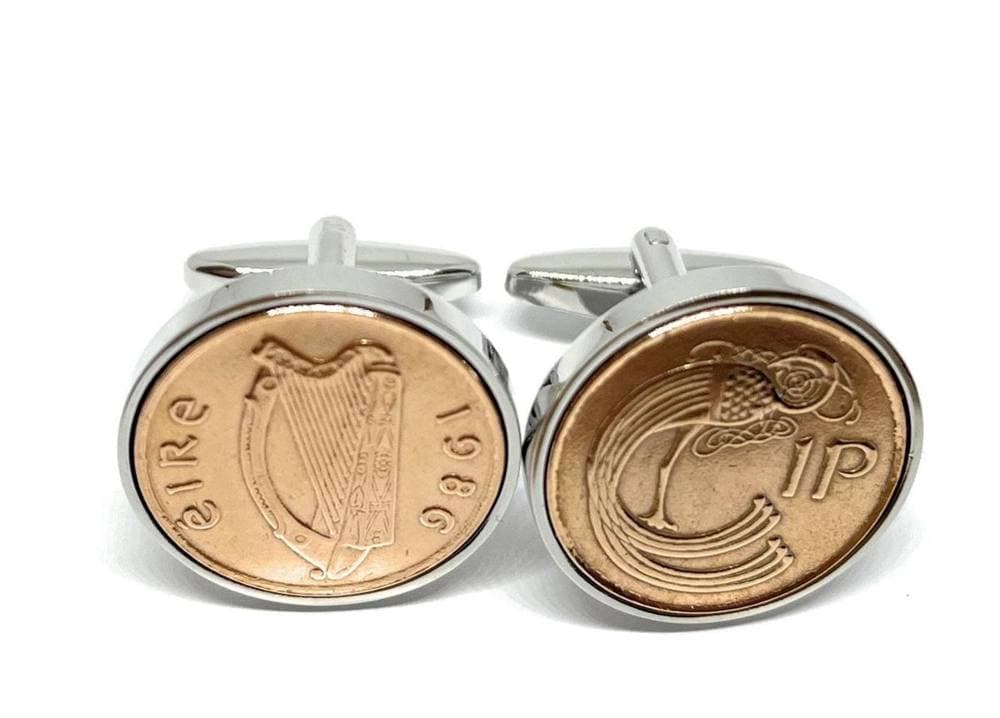
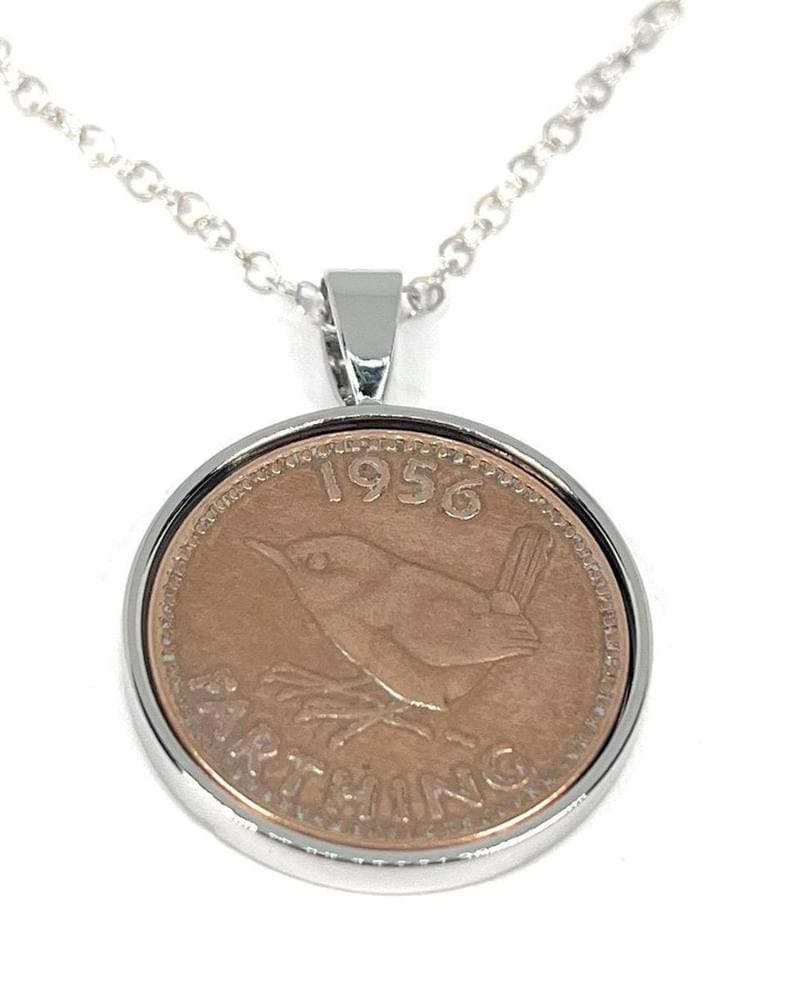
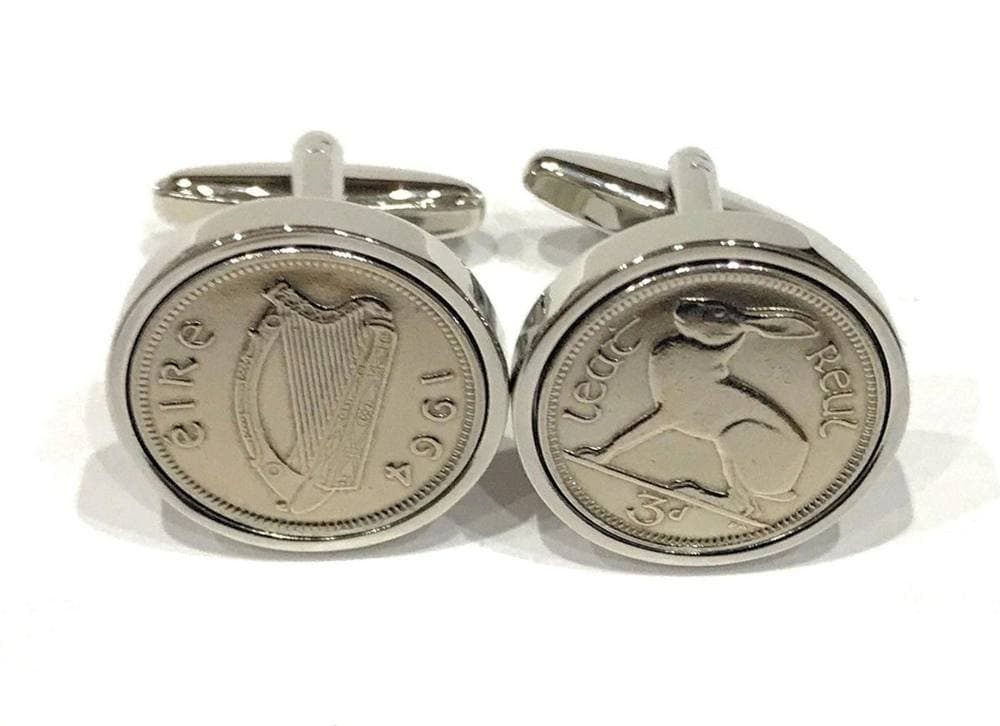
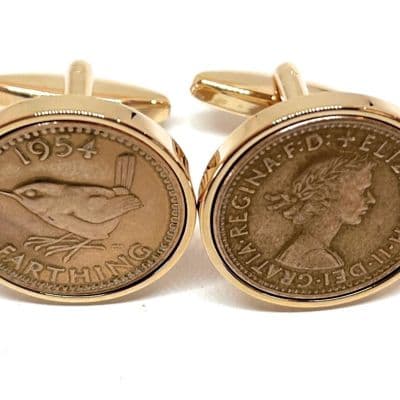
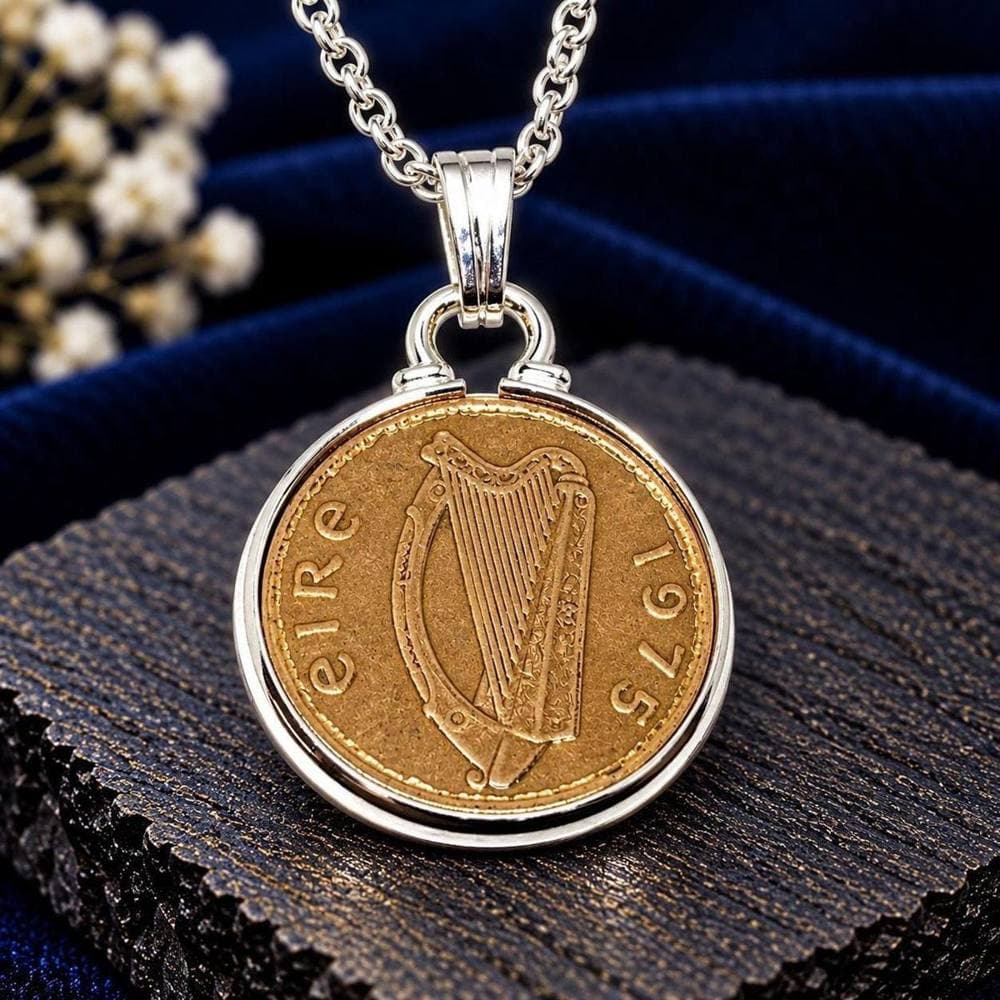
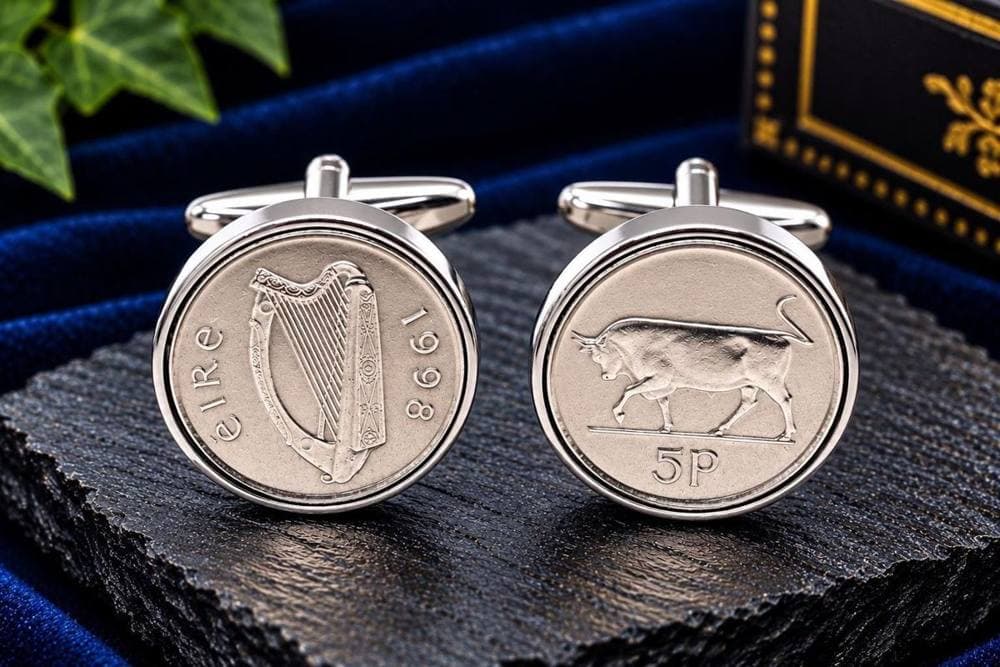
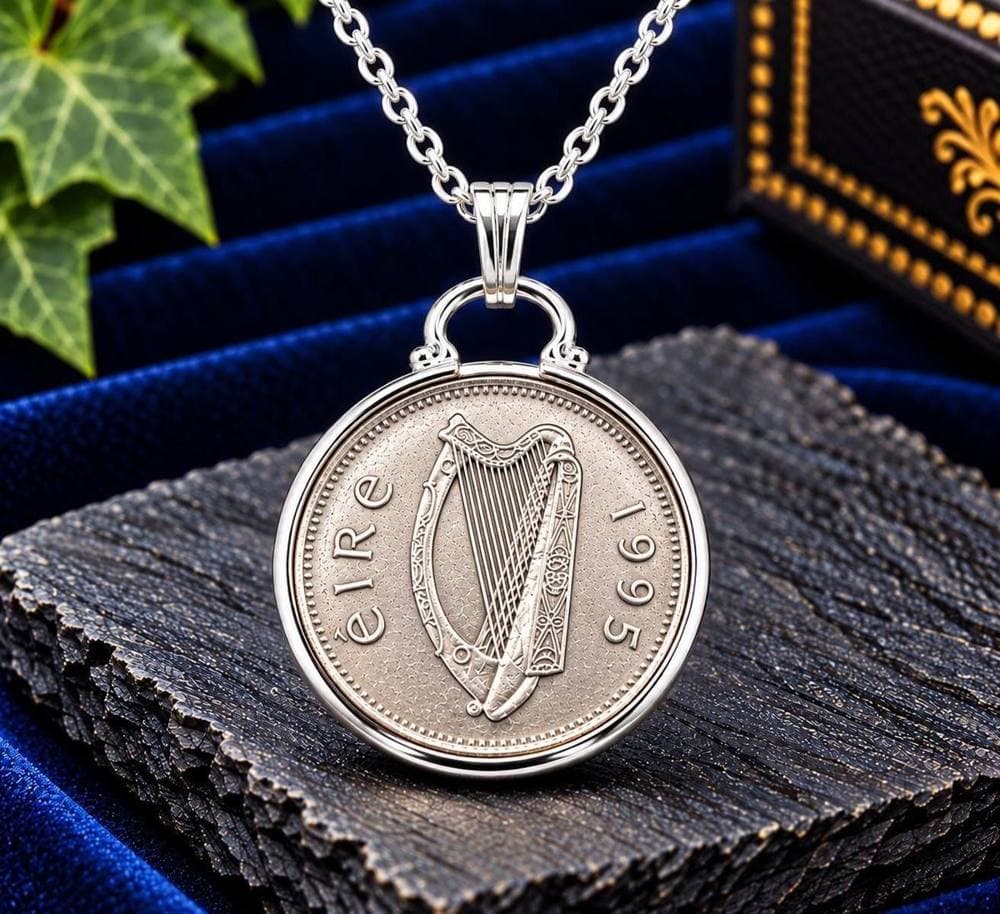
OldCoinCufflinks sells jewellery made from real money. Every piece starts as a genuine circulated coin: a British sixpence or farthing, an Irish threepence with a harp on one side and a hare on the other, a New Zealand sixpence, an Isle of Man penny. The coins are cleaned and polished, then set into silver, gold or rose gold plated mounts as cufflinks, pendants on sterling silver chains, earrings and keyrings, and sent out in a gift box.
The shop sells by the year. A buyer looking for a 1956 sixpence for someone born in 1956 can find that exact coin, which is why the catalog runs past 1,200 listings. It has more than 2,300 reviews and a 4.93 star rating.
One template, a thousand times
A catalog sorted by year needs a lot of listings that look almost the same, and for a long time they were written that way. The titles came from one template, "1962 Sixpence Coin Pendant 64th Birthday Gift: Sterling Silver Chain", with the year and the birthday age trading places from listing to listing. Some descriptions opened by repeating the title, then gave a line or two about the coin and the box.
The template kept every listing consistent. It also meant the titles opened with a date, and gave the birthday age as much room as the coin itself. That age only holds for one year. A 1962 coin makes a 64th birthday present this year and a 65th next year. Writing fresh copy by hand for more than 1,200 listings is a very big job.
“Every year is its own listing. That's lovely for the buyer and hard on whoever writes the titles. You end up copying the same line over and over and changing the date.”
Letting the editor describe the coin
The shop does this work in Alura's listing editor. Each listing gets a score out of 100, with separate grades for photos, video, title, description and tags, so the weakest part of a listing is easy to spot. Under Optimization settings the seller ticks what the AI should work on, here the title, description, tags and alt text, and clicks Start optimization. The AI drafts new copy right there in the editor.
Nothing goes to Etsy at that point. The drafts sit in the editor until the seller clicks Publish changes, and View changes shows exactly what's different. If a draft gets a coin or a finish wrong, it can be edited or reverted, and Listing history keeps earlier versions to restore.
Alt text is slow to write by hand. Etsy lets every photo carry a short written description for shoppers who use screen readers, and with several photos on each listing across the whole catalog, that adds up to a lot of writing. The shop lets the editor draft those as part of the same pass.
Where the shop wanted its own wording, it typed the title itself. One farthing pendant went from "1942 Farthing Coin Pendant: 84th Birthday Gift, Sterling Silver Chain" to "Coin Pendant, 1942 Farthing with Silver-Plated Mount and Sterling Chain", which tells the buyer that the mount and the chain are different metals.
“AI is good at saying what's on a coin. Harp on one side, hare on the other. The year and the metal are what people pay for, so those have to be right.”
In the rewrites, the piece and the coin come first
The rewritten titles lead with the piece and the coin, keep the year, and spell out the mount. A few, before and after:
The age didn't disappear. On a pair of 1951 New Zealand sixpence cufflinks it lives in the tags, where "75th birthday" and "milestone birthday" sit beside new ones like "new zealand", "historical coin" and "coin jewellery men". On a pair of 1938 sixpence cufflinks, broad tags like "gift for them" gave way to "wedding cufflinks", "groomsmen coin" and "lucky wedding", a nod to the old custom of a sixpence given for luck on a wedding day. Descriptions changed most. One pair of New Zealand cufflinks used to open with "1953 Sixpence cufflinks for sale". It now opens by describing the coin's bird design on one face and Queen Elizabeth II on the other.
With a catalog this size, the rewrite goes coin by coin.
1957 69th Birthday Gift Sixpence Domed Coin Pendant: Sterling Silver chain
Sixpence Pendant, 1957 Domed Coin with Sterling Silver Chain
1942 Threepence Coin Cufflinks 84th Birthday Gift: Silver Plated Mounts
Threepence Coin Cufflinks, 1942 Silver Plated Birth Year Jewellery
1942 Farthing Coin Pendant: 84th Birthday Gift, Sterling Silver Chain
Coin Pendant, 1942 Farthing with Silver-Plated Mount and Sterling Chain
Describe the thing people fall for
For other sellers with a big catalog of near-identical listings, the shop's advice is to stop treating the date as the whole description. The year gets the buyer to the listing. The design, the harp or the hare or the bird, is often what makes them choose it.
The second tip is to settle the pattern before touching the listings. Decide what leads the title, what belongs in the tags and what the description should open with. Then work through the catalog a section at a time, and read each new title the way a buyer would before it goes live.
“People know their year before they arrive. What they don't know is that the 1964 threepence has a hare on it. Put that in the first line, it's the bit that sells it.”
OldCoinCufflinks received Alura credits as a thank-you for sharing this story.