How Prentenkabinet puts one-of-a-kind vintage prints on Pinterest
Prentenkabinet
Prentenkabinet has made more than 2,500 sales of original vintage prints and maps since opening on Etsy in 2016, from 1955 bird lithographs to 1960s mineral studies. Every listing is a single print, and the shop uses Alura's Smart Pins to keep that changing collection on Pinterest without picking each pin by hand.
Original prints, never reproductions
Prentenkabinet is a shop in the Netherlands that sells vintage and antique prints and maps. Every print is an original, picked from a large collection, and only the ones that meet the shop's standards get listed. The catalog runs from birds and botanicals to mushrooms, beetles, minerals and old travel-guide maps of Geneva and Graz, with more than 1,400 prints for sale at a time.
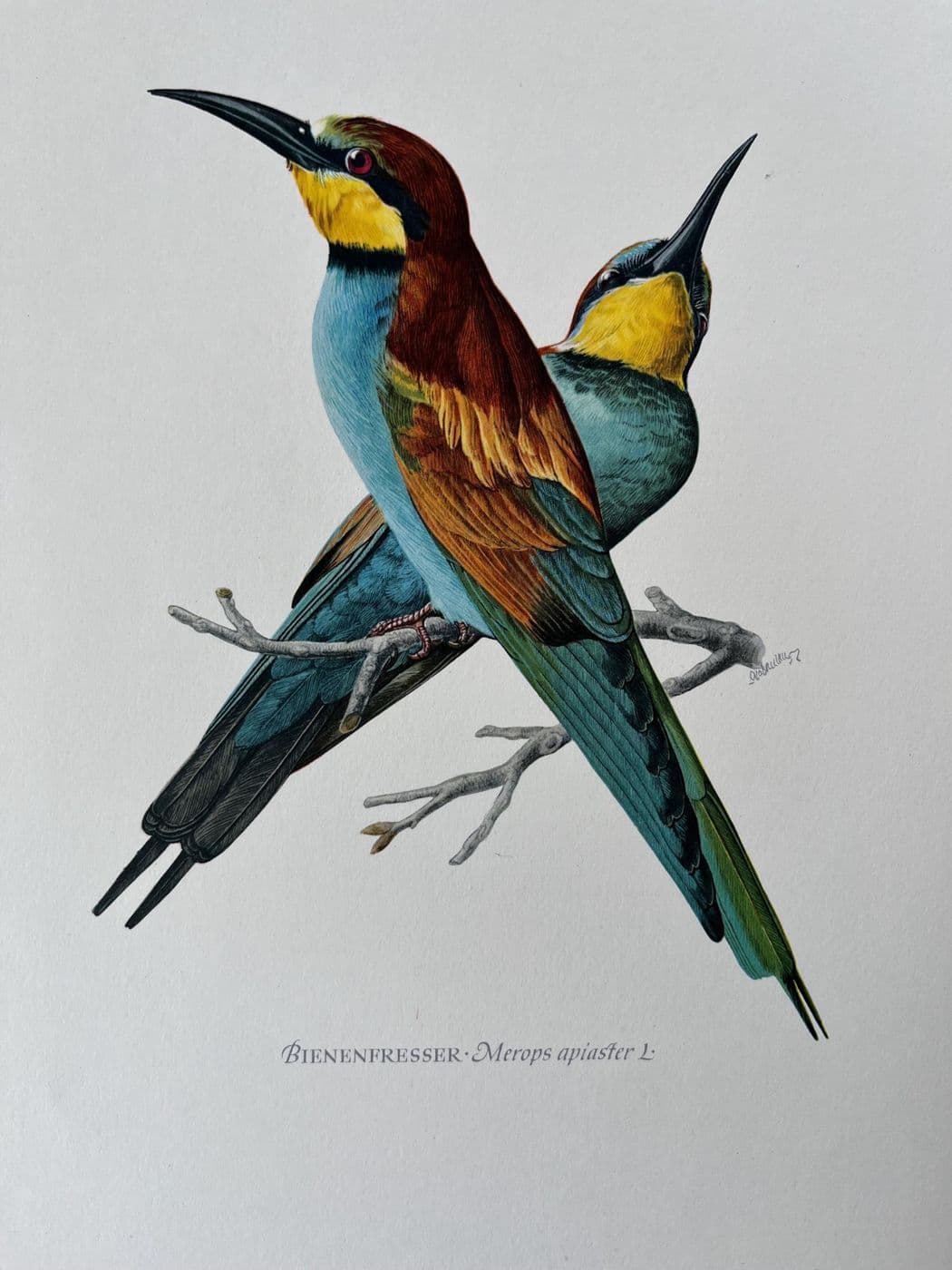
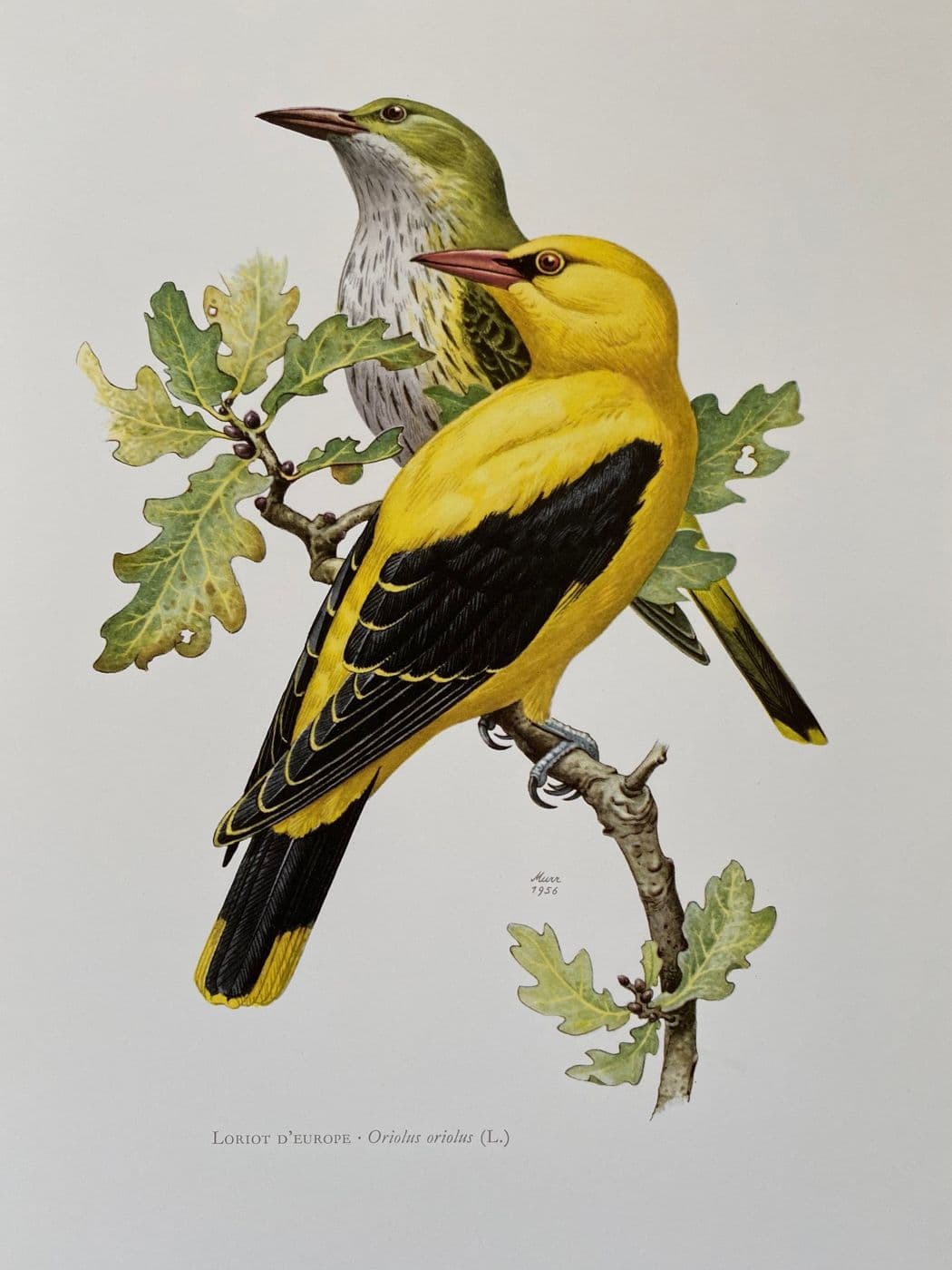
Much of it comes from mid-century natural history series. The 1955 bird prints were published in Hamburg on matte paper, with each species named in German and Latin. The 1960s prints were published in Paris on thick paper, many after illustrations by Claus Caspari, with French names on the front and a scientific explanation in French on the back. Buyers rate the shop 4.93 on average across nearly 500 reviews, and anyone after a subject that isn't listed is invited to ask.
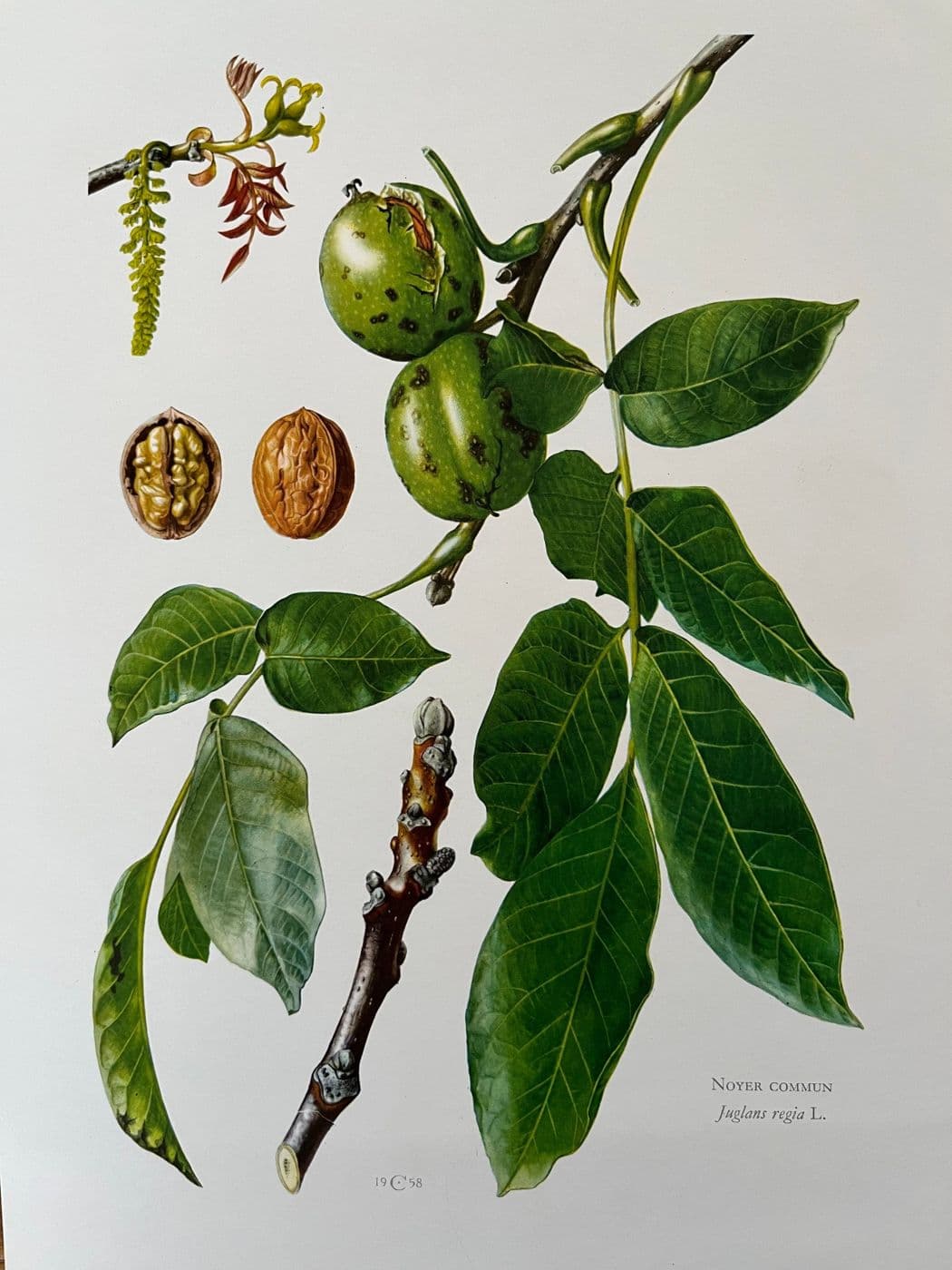
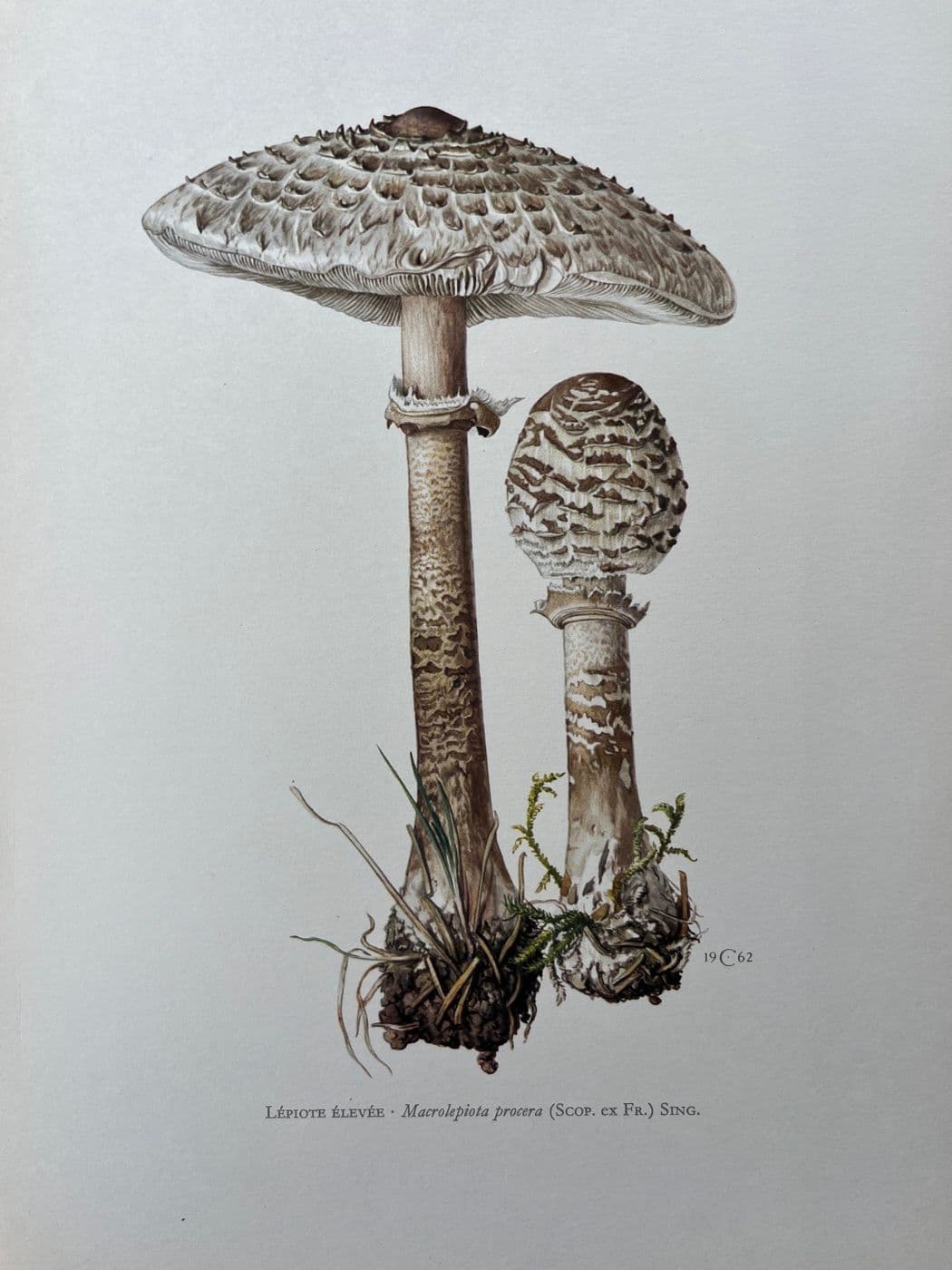
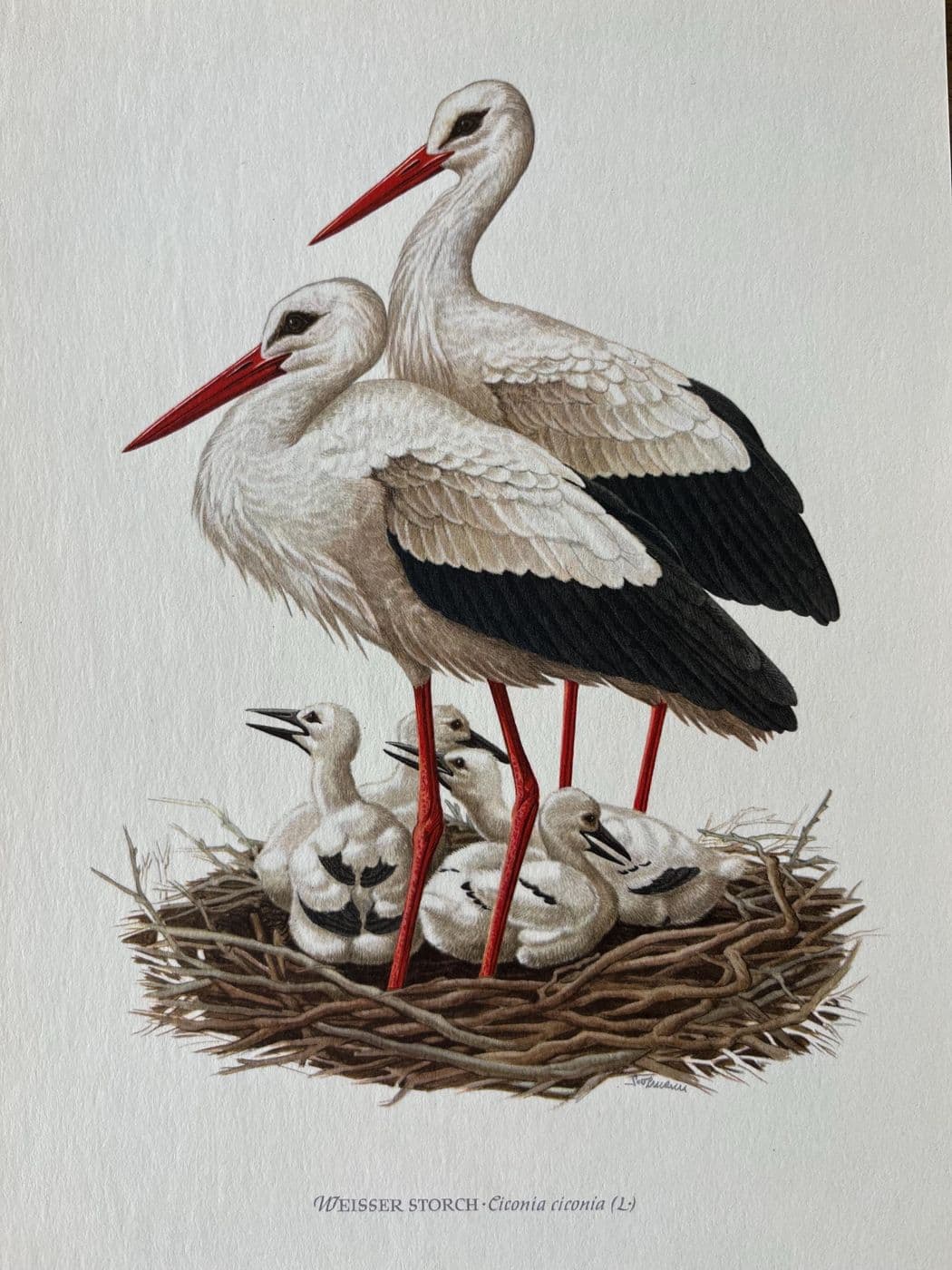
A catalog where every listing is one of a kind
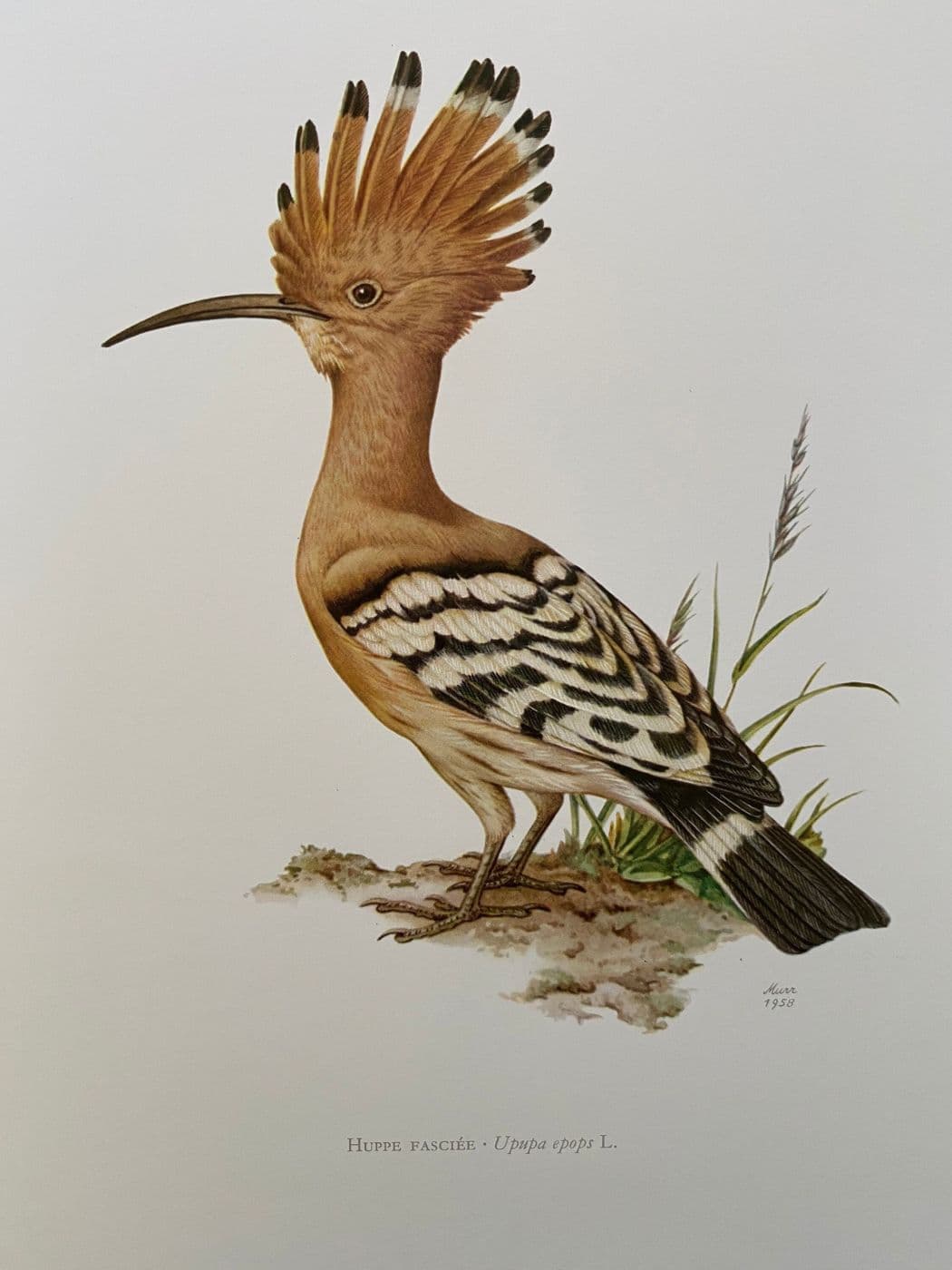
Old natural history plates suit Pinterest, where people save gallery walls, cabinets of curiosities and bird art for the spare room. Getting them there is the hard part. Each Prentenkabinet listing is a single print. When a hoopoe sells there is no second hoopoe, and the next listing is a different bird, mushroom or mineral. Pinning by hand means choosing from well over a thousand listings, writing a title and description for each, and starting again the next day.
The details matter too. A collector wants to know whether a print is a 1955 Hamburg plate or a 1960s Paris one. A pin that only says "bird print" leaves out the part they care about most.
“Every print in the shop is the only one. When it sells, it's gone, and the next one is a different bird. I could never keep up with that by hand.”
Smart Pins writes pins from the listing details
Prentenkabinet connected its Pinterest account to Alura and turned on Smart Pins. Once a day, Smart Pins fills a queue with pins made from the shop's active listings, about ten days ahead. It ranks listings mostly by their Etsy views and never reuses a photo pinned in the last seven days, so a print with several listing photos can come back later in a different shot.
For the pin text, the shop picked the AI option. Alura writes a Pinterest title and description from each listing, and because the listings spell out the year, the city, the paper and the language on the print, the pins carry those details too. The queue settings decide how many pins go out and on which days. Any pin can be edited, reordered or deleted before it posts, and exclusions can keep a shop section, a listing or a keyword out of the automation.
“Collectors care about the year, the city and the paper. If a pin leaves that out, it's just another bird picture.”
Titles that say what arrives in the post
The shop also ran Alura's listing optimizer on part of the catalog. In the editor, Start optimization drafts a new title, tags and description with AI, and nothing changes on Etsy until the seller clicks Publish changes. On these prints, the AI drafts kept the subject and the decade, and traded general words like "wall art" and "wildlife illustration" for what the buyer actually receives: a French lithograph on paper, often with the size in centimeters. On the horse print, the draft also corrected the spelling of Przewalski.
The descriptions changed the same way. A new one opens by describing what's on the sheet, such as a swallow beside its rocky nest with the scientific name printed below, then lists the materials and notes the scientific explanation in French on the reverse. Tags were redrafted in the same pass.
Pins and titles that keep the edition details
Scroll the shop's recent pins and they read like a naturalist's notebook: a barn owl, a skylark, a white-backed woodpecker, juniper and soapwort, a Eurasian coot. Each pin uses a photo of the actual print and links back to its Etsy listing. The barn owl pin reads: "Original bird print from 1960, based on illustrations by renowned artists. Printed on thick paper, with scientific names and explanations in French." The 1955 plates keep their own details, so a green woodpecker pin mentions matte paper and German and Latin names instead. A shopper on Pinterest gets the same facts the Etsy listing gives, in plain words.
In the shop, the optimized titles now lead with the animal or mineral and end with what a buyer will hold in their hands.
Vintage Swallow Bird Print, 1960s Ornithology Wall Art
Swallow Bird Print, 1960s French Lithograph on Paper, 27 x 19 cm
Prewalski's Horse Print | Vintage Zoology Lithograph, Wildlife Illustration
Vintage Horse Print, Przewalski Lithograph From The 1960s, 27 x 19 cm
Danburite Mineral Print: Antique 1960s Geology Gemstone Lithograph Poster
Danburite Print, 1960s French Lithograph Mineral Study, 27 x 19 cm
Describe the paper as carefully as the picture
Buyers can't hold an old print before they order it, so the listing has to do that job. Prentenkabinet gives the year and city of publication, the paper, the language on the print and what's written on the back, plus the size in centimeters and inches. For anyone choosing a frame, the size matters most, and the optimized titles now carry it too.
“Put the plain facts up front. Year, size, where it was printed. Someone buying old paper wants to know exactly what's going to arrive.”
Prentenkabinet received Alura credits as a thank-you for sharing this story.