How Nomad&Nest put the print first in its listings
NomadandNestUk
Nomad&Nest has made more than 1,500 sales on Etsy from a catalog of close to 2,000 listings. The shop uses Alura's listing optimizer to rewrite its listings around what is actually on the paper, then lets Smart Pins carry those words to Pinterest.
A print for every wall, shipped in a tube
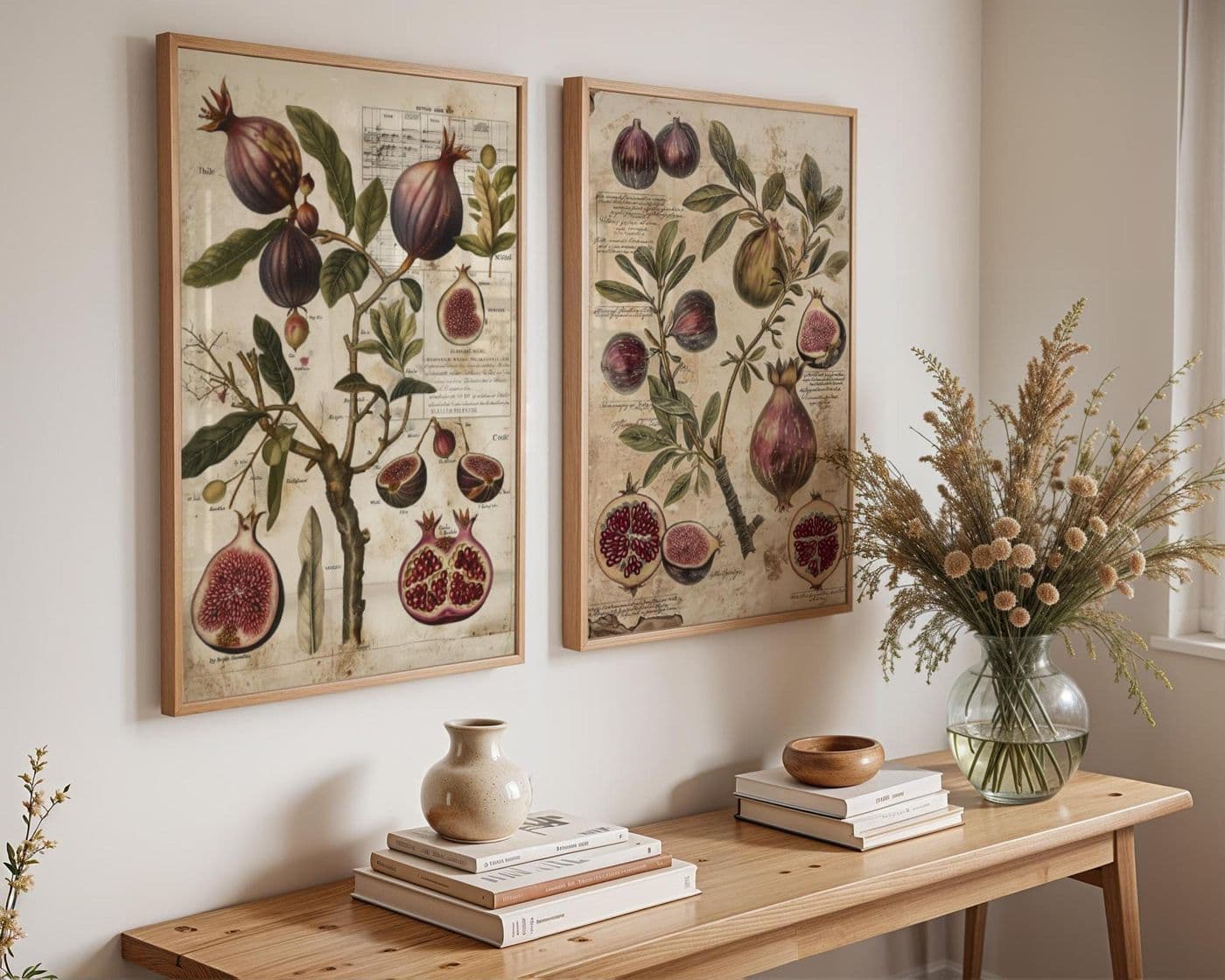
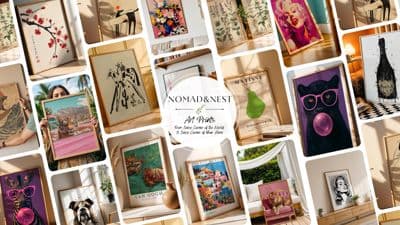
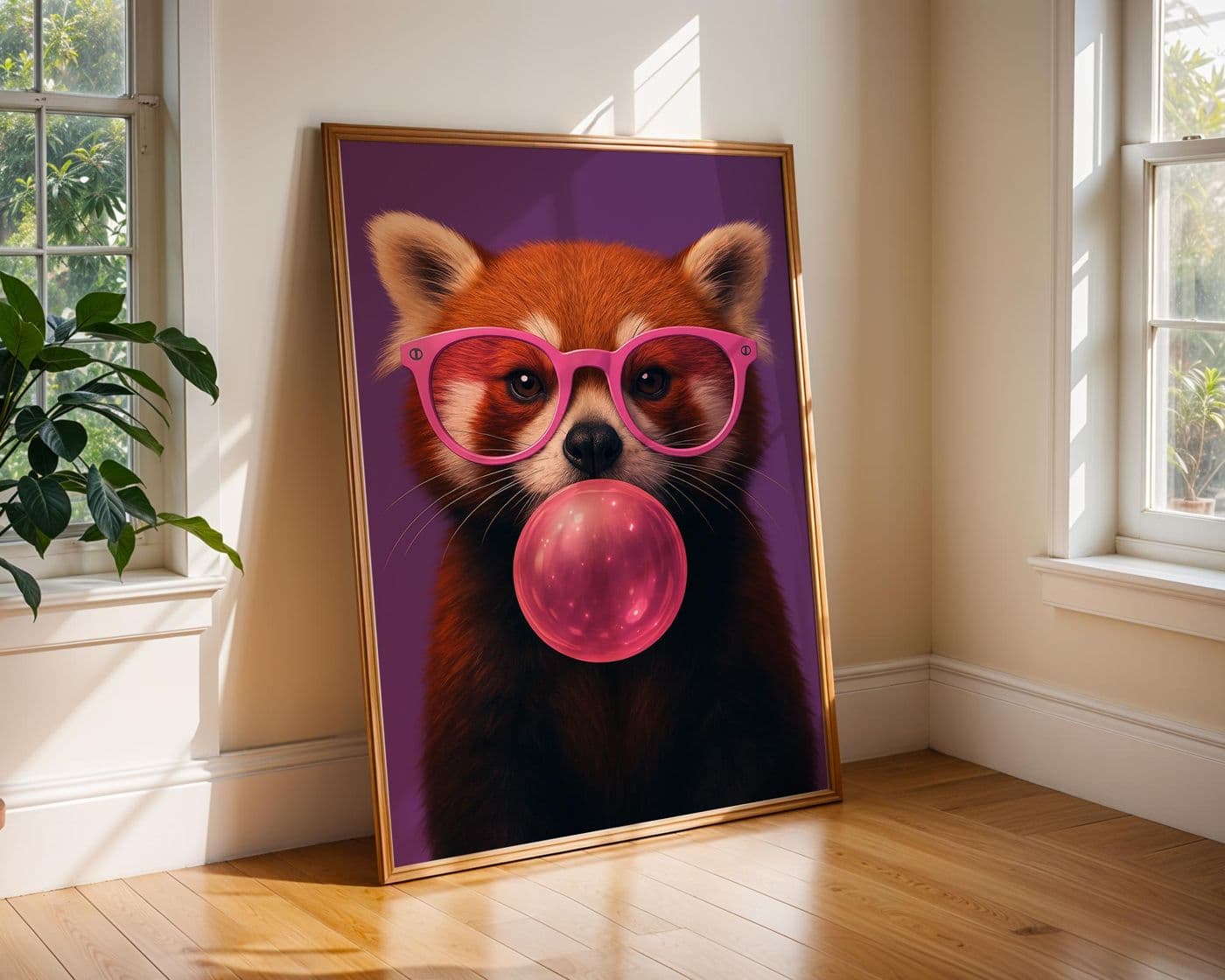
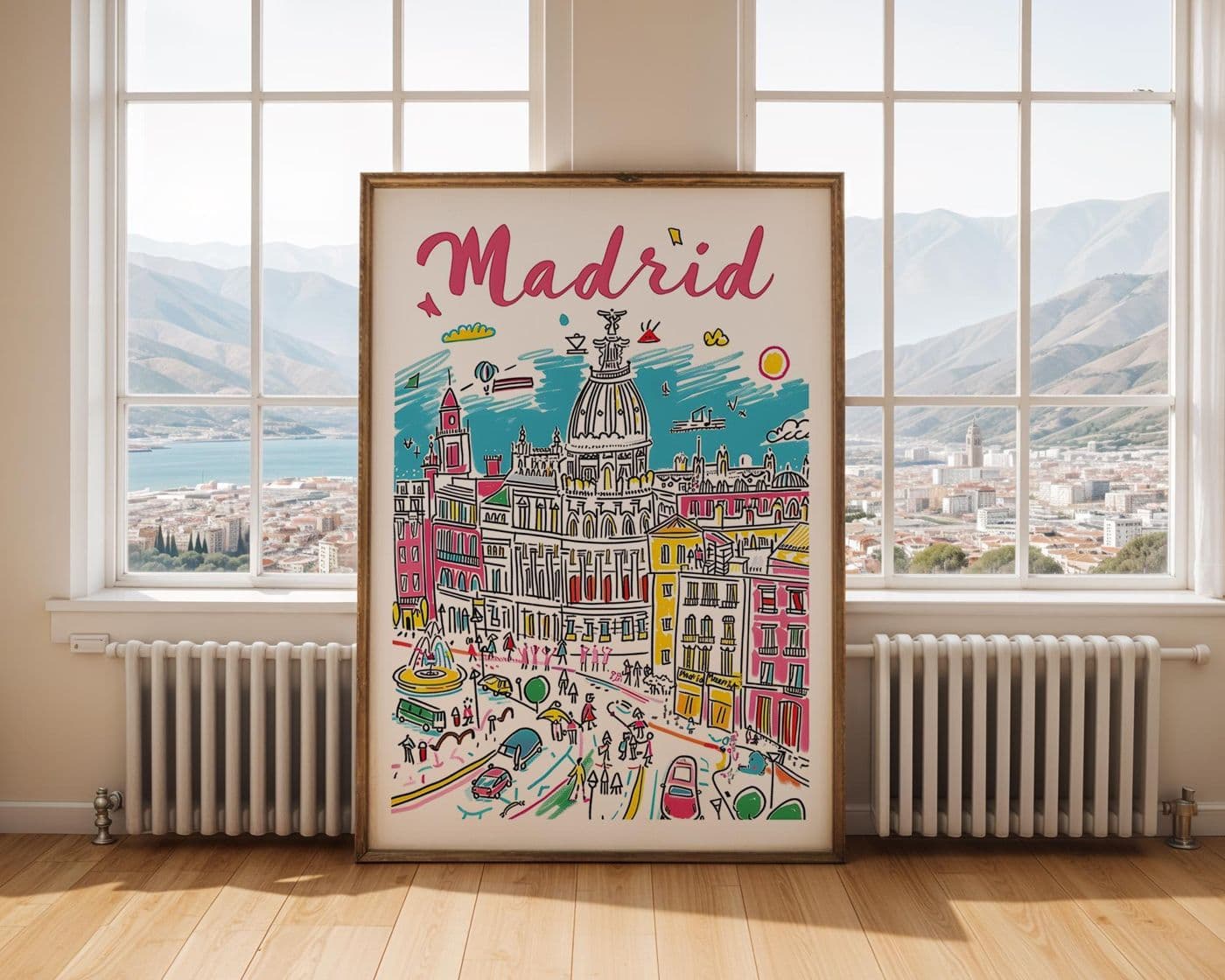
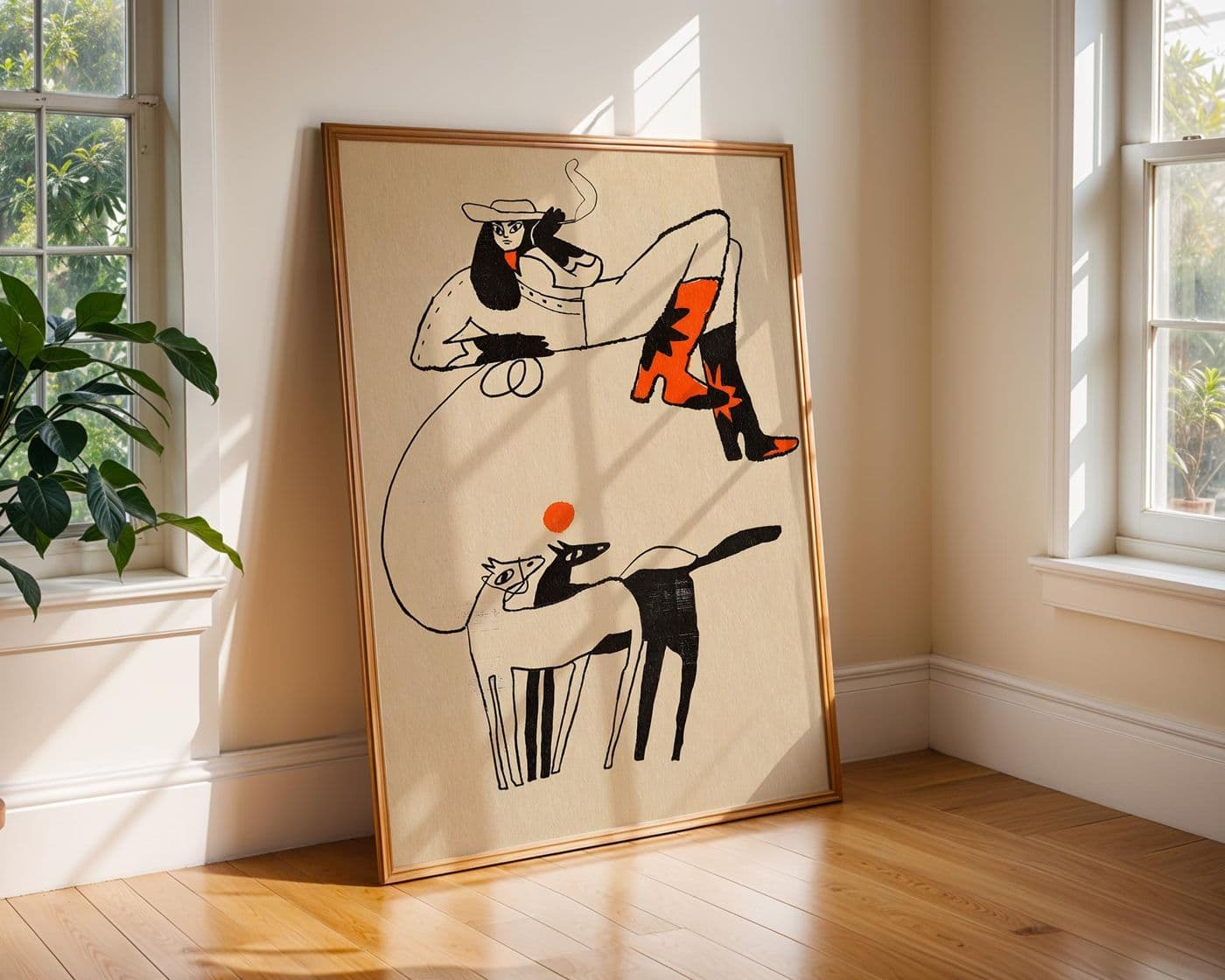
Nomad&Nest makes art poster prints for people who want their walls to tell a story. The range runs wide on purpose: a pink-glasses panda blowing bubblegum, a Madrid street scene, William Morris chrysanthemums, a pair of fig and pomegranate studies that look lifted from an old herbarium. Prints come in sizes from A5 up to A0, plus the common inch sizes, and custom sizes are a message away.
The sets are printed on 260gsm matte paper, and every order leaves the next working day in a sturdy tube. Most arrive within two to four working days in the UK, Australia and the USA. The shop opened on Etsy in 2025 and has passed 1,500 sales with a 4.86 star rating.
Two thousand posters, one shared opening
A catalog that size grows faster than its listings get rewritten. Many Nomad&Nest descriptions opened the same way, with the shop's welcome: the nomadic heart, the curated collection, prints for dreamers and travellers. It's a good introduction to the shop. As the first lines of a listing for a set of seashell prints, it says very little about seashells.
Titles had a similar gap. They named a style, like vintage, coastal or botanical, but often skipped the details a shopper compares when two prints look alike in the search grid: how many pieces are in the set, what colours they come in, what the paper is.
“Someone looking at a beetle print wants to know about the beetles. Our welcome note can wait until they've scrolled down.”
The AI writes the draft, the shop publishes
Nomad&Nest works through the catalog one listing at a time in Alura's listing editor. Each listing shows a listing score with separate grades for photos, title, description and tags, which makes the thin ones easy to spot. In Optimization settings the shop ticks the parts it wants rewritten, such as the title, description, tags and alt text, then clicks Start optimization. New tags can come out of the same run, and any of them can be changed in the editor before anything is published.
The AI reads the current listing and drafts new text. Nothing reaches Etsy at that point. The changes sit in the editor, where View changes shows old against new, and they only go live when the shop clicks Publish changes. If a draft gets a detail wrong, Revert all puts the old version back, and the Listing history dialog keeps earlier versions within reach.
The AI drafts tend to pull the shop's own facts into the title, such as the 260gsm matte paper and the number of prints in a set, and they open the description with the artwork itself. The shop welcome still appears further down, where it reads as a sign-off rather than a preamble.
“We'd rather spend our time on new designs than on rewording old titles. The AI does the first draft, and nothing goes live until we've checked it.”
The same words follow the print to Pinterest
Those listings feed the shop's Pinterest account. Nomad&Nest runs Smart Pins and Pin New Listings, so Alura keeps a queue of pins filled from the shop's active listings, ranked mostly by Etsy listing views, and a daily job picks up listings that went live in the past day. Pin titles and descriptions are written by AI from the listing text.
Pins land on boards built around how people decorate: Timeless Botanicals, Japanese-Inspired Wall Art, Explore the World Art, Kitchen & Culinary Art. When a listing names the subject and the paper, the pin can pick them up. The mushroom set goes out as "Vintage Mushroom Wall Art Set on Matte Paper", with a description that mentions the 260gsm paper the set is printed on.
Titles that say what's in the frame
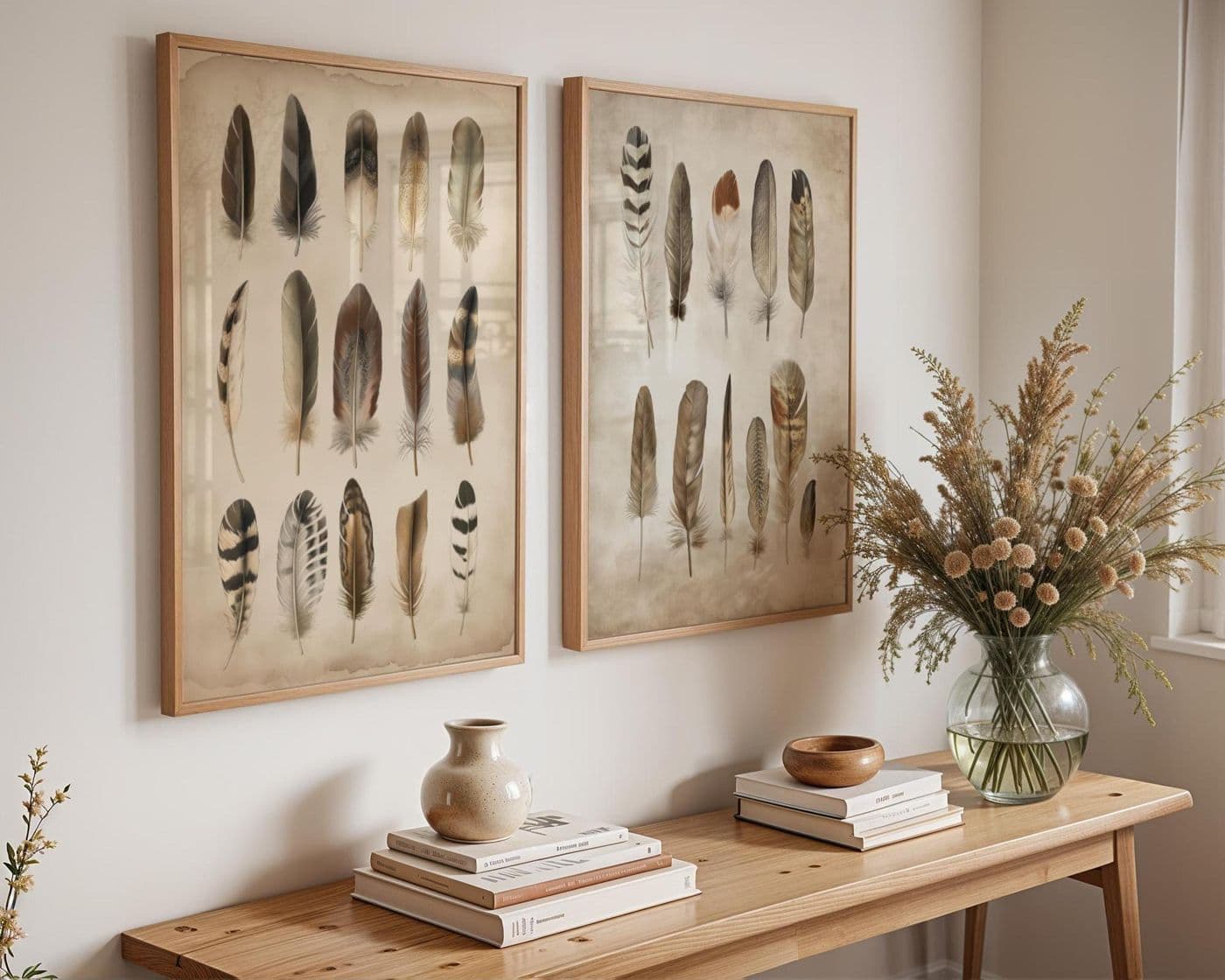
The rewritten titles still carry the style words shoppers search for, and they add the detail that tells one print from another. The butterfly set now says it is sepia. The spice set says it is three prints. The pressed leaf set names its paper. The Virgin Islands poster names the tropical beach landscape on it.
Descriptions changed in the same direction. The pressed leaf set now starts: "Pressed leaf art featuring warm autumn foliage and delicate botanical stems brings a natural-history feel to your walls." Sizes, paper and frame options follow, and the Nomad&Nest welcome still closes the listing, in the shop's own words.
Butterfly Wall Art Set | Antique Botanical Prints, Neutral Decor
Butterfly Wall Art Set | Sepia Antique Botanical Prints | Gallery Decor
Botanical Spice Art Print Set | Vintage Herb Illustrations
Spice Herb Wall Art | Vintage Botanical Three-Print Set
Pressed Leaf Art Print Set | Minimalist Autumn Botanical Decor
Pressed Leaf Art Print Set, 260gsm Matte Paper | Autumn Botanical Wall Decor
Virgin Islands Coastal Art Print | Caribbean Beach, Island Getaway
Virgin Islands Art Print | Caribbean Wall Art With Tropical Beach Landscape
Write the first line for the shopper
For sellers with a big catalog, Nomad&Nest's advice is to look at the first line of each listing as the shopper sees it. Brand copy has a place, lower down. The top of the listing should say what the buyer is getting: the subject, the number of pieces, the colours, the paper.
And when a style sells, give it a home on Pinterest too, with a board named for the room or the mood rather than the shop.
“Two prints can look almost the same in a thumbnail. The title is where you tell people which one is sepia and which one comes as a set of three.”
NomadandNestUk received Alura credits as a thank-you for sharing this story.