How Clogsland names each pair by its color, leather and sole
Clogsland
Clogsland has made more than 7,000 sales on Etsy since 2020, selling handmade clogs, sandals and slippers from Poland. With a catalog of pairs that often differ by a single detail, it uses Alura to rewrite titles around those details and to keep the whole range on Pinterest.
A catalog of clogs that differ by one detail
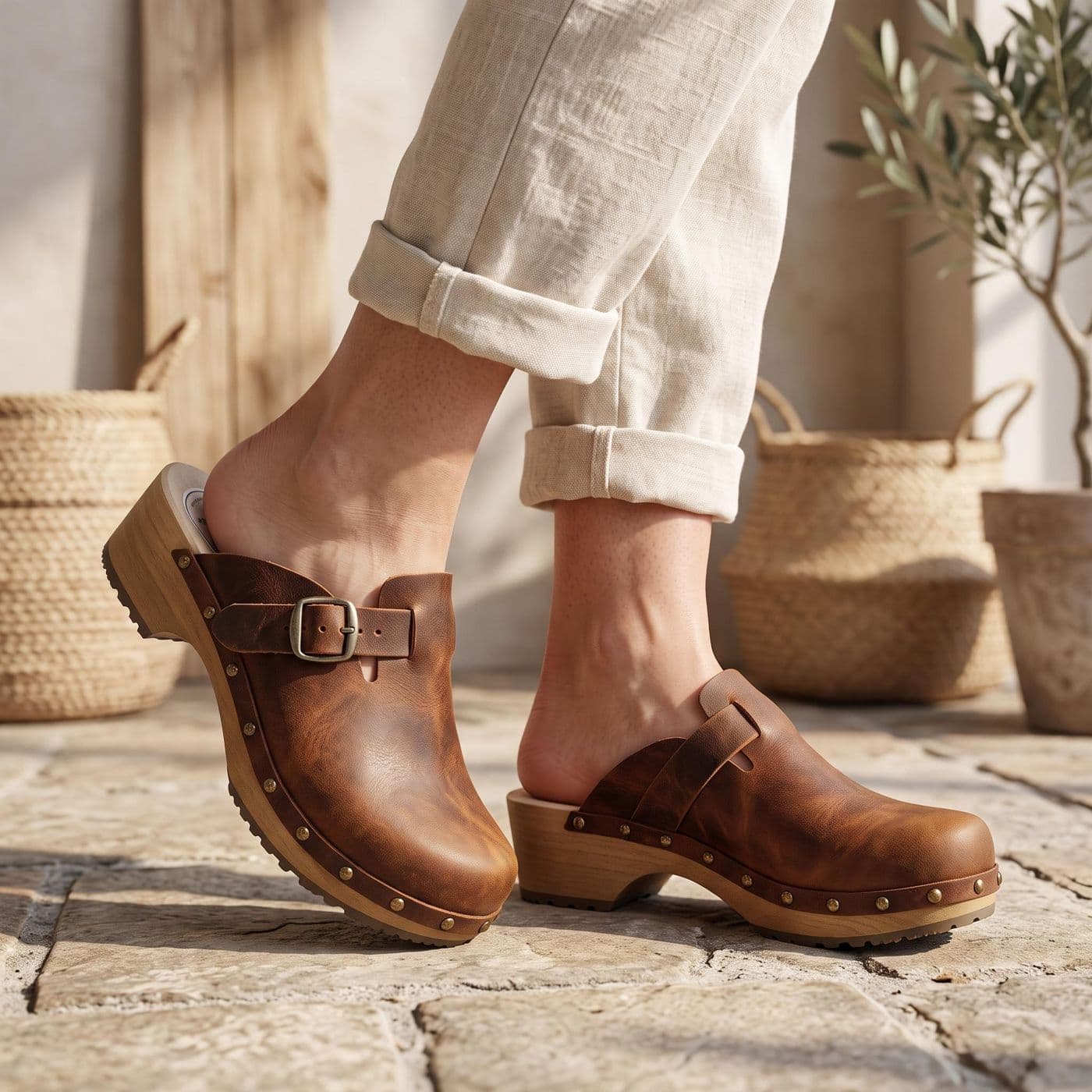
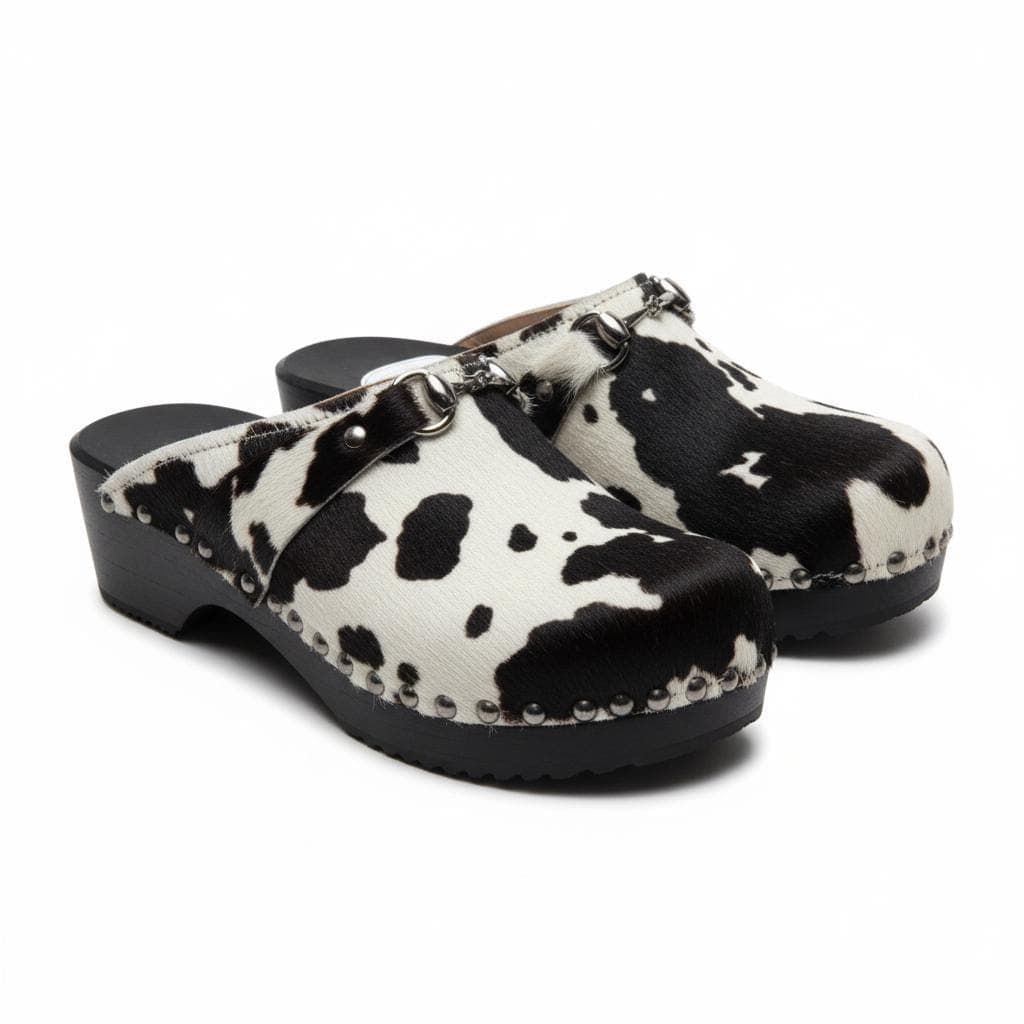
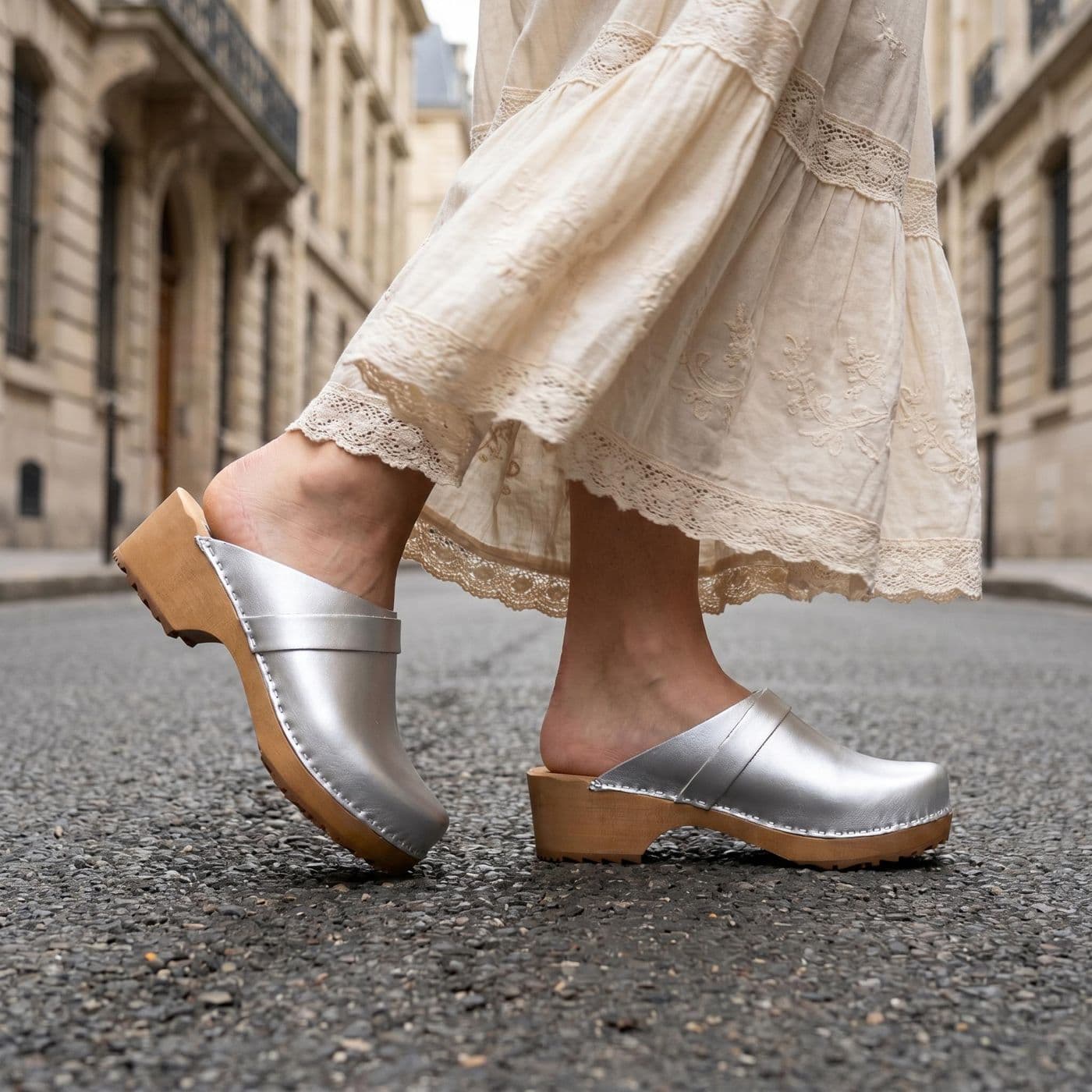
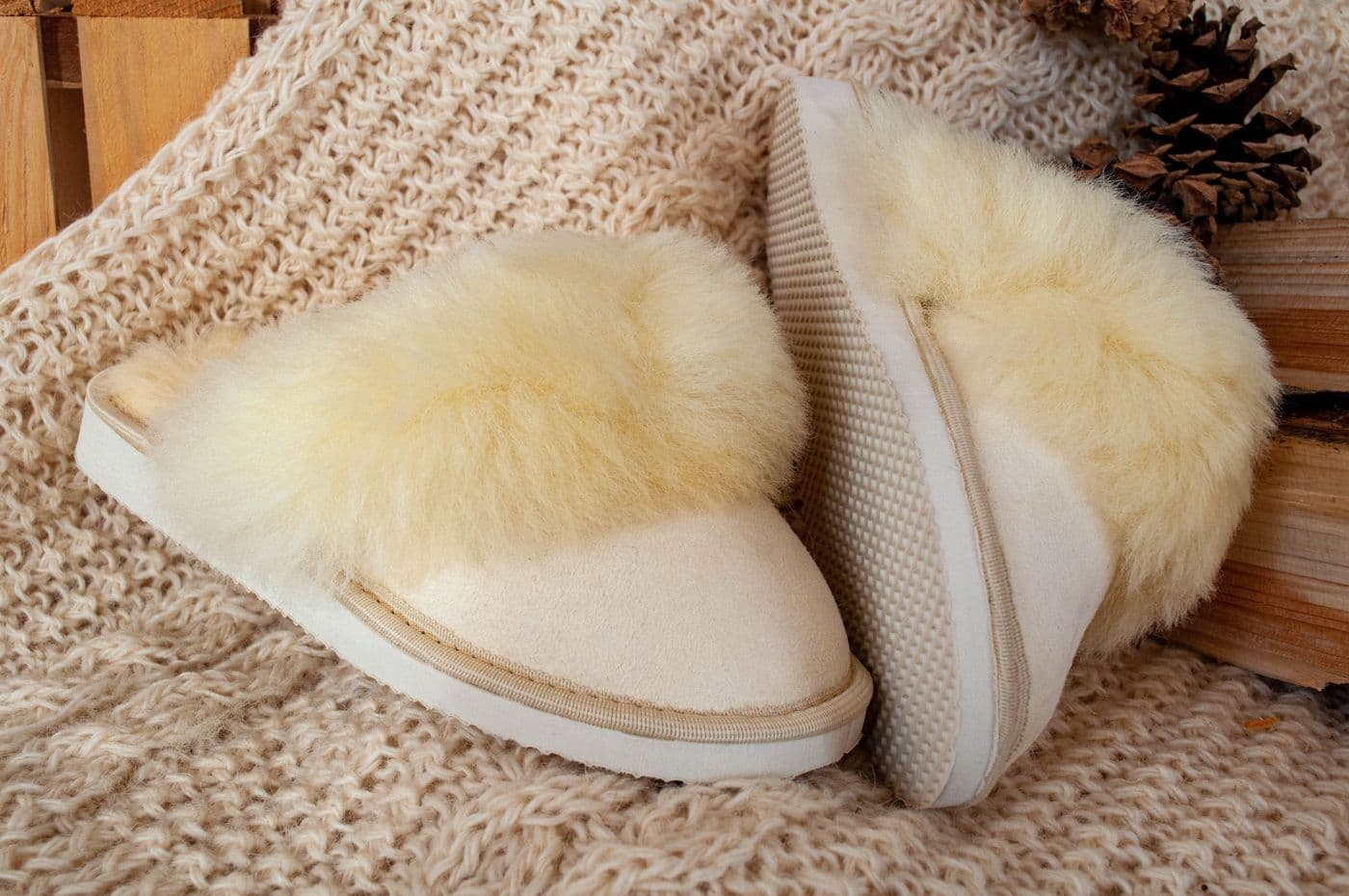
Clogsland is a Polish shop making handmade clogs, sandals and slippers. The uppers come in natural leather, nubuck, suede, vegan leather, sheepskin and cowhide with the hair left on, and almost every pair sits on a wooden sole, often alder, with an anatomical shape. Many listings end on a size chart photo, with a note to measure your foot before ordering.
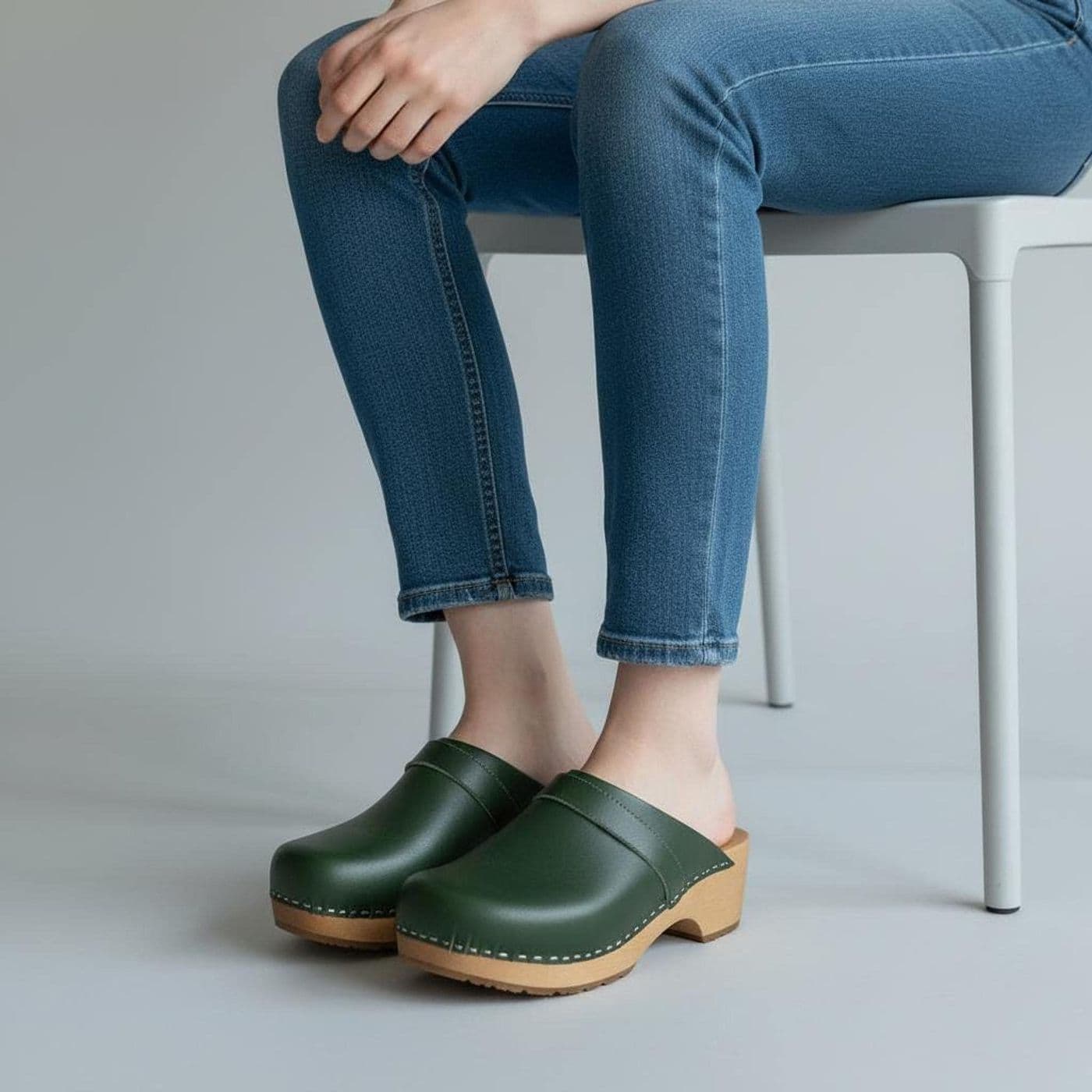
Walk through the shop and you notice how close the pairs are. A brown nubuck mule with studs sits next to a brown nubuck mule with a buckle strap. The same green leather comes on a rounded sole or a square one. Buyers rate the shop 4.69 stars across more than 1,800 reviews. Orders to the United States ship duties paid, so the checkout price is the final price.
Titles that shared most of their words
Many of the shop's earlier titles were written around a mood or a time of year: "Red Swedish Wooden Clogs for Women: Autumn Style" and "Pink Swedish Wooden Clogs for Women: Autumn Style". Others listed every use a pair could have, from garden shoe to home slipper. One red wine pair had its color at the very end, after the heel and the sandal.
In a catalog where so many titles share the words Swedish, wooden and clogs, the words that separate one pair from the next are the color, the leather, the heel and the strap. Those often came last, or not at all. Descriptions had a similar shape, opening with a line like "Step into comfort with our Pink Clogs" and reaching the leather and the sole a few sentences later.
“Someone scrolling clogs sees ten brown pairs in a row. The title has to say which one is the nubuck with the buckle, or they keep scrolling.”
AI drafts the rewrite, the seller decides what goes live
Clogsland works through its catalog in Alura's listing editor. For a listing, the seller ticks title, description, tags and alt text in Optimization settings and clicks Start optimization. Alura's AI reads the listing and drafts a new version of each part. Nothing changes on Etsy until the seller clicks Publish changes, so every draft gets read first. Most go out as the AI wrote them, and some get edited by hand.
The titles follow one pattern: color and material first, then the wooden sole, then the detail that sets this pair apart from its neighbor, such as a 5 cm heel, an ankle strap or a square sole. The season words came out of the titles. New description openings do the same job in a full sentence, for example "Swedish Clogs pair a pink leather upper with a wooden sole in an easy slip-on mule shape," followed by the number of size options. The shop's original copy stays underneath.
Tags moved in the same direction. On a brown and white cowhide clog, broad tags like "artisanal clogs" and "unique leather clogs" gave way to "crazy horse leather", "genuine cowhide", "wooden platform" and "adjustable strap", the words that say what the shoe is made of.
“I don't need the AI to be clever. I need it to say brown nubuck, buckle strap, wooden sole. When it gets that right I publish. When it doesn't, I fix it.”
The same catalog keeps running on Pinterest
Clogs sell on looks, and the shop's photos show them on feet, on sheepskin rugs and on cobblestones at night. Clogsland connected Pinterest to Alura and turned on Smart Pins, which fills a posting queue with pins made from active listings, ranked mostly by Etsy listing views. A second automation, Pin New Listings, picks up new pairs the day after they go live.
Pin titles and descriptions are written by AI for Pinterest from each listing, using a tall crop of the listing photo. A pin for one winter pair reads "Sheepskin Clogs with Wooden Heel for Cozy Style", and its description names the black suede upper, the plush lining and the alder wood sole.
Titles that name the pair
These before and after titles are all live in the shop. Each one keeps the Swedish clog styling and adds what a shopper compares between two similar pairs: color, leather, sole, heel and strap. The silver pair now names its 5 cm heel, the red wine pair names its ankle strap instead of ending on the color, and the green pair states its leather upper and wooden sole in place of the word moccasins.
Handmade Leather Clogs, Swedish Wooden Heel Sandals, Red Wine
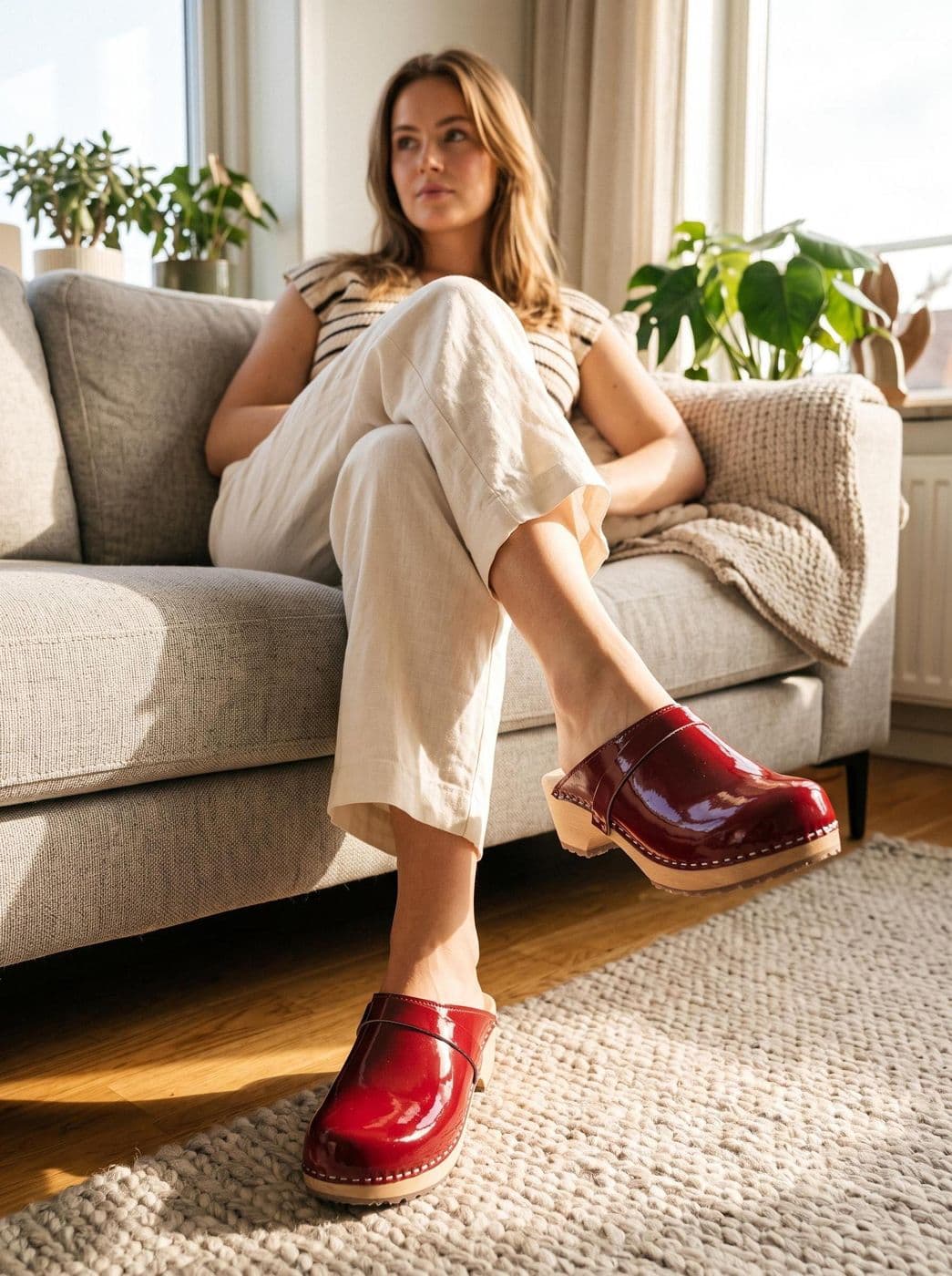
Red Wine Swedish Clogs, Natural Leather with Wooden Heel and Ankle Strap
Silver Clogs for women made of natural leather
Silver Leather Clogs for Women, 5 cm Wooden Heel and Sole
Pink Clogs for Women, Swedish Leather Sandal Mules, Autumn Garden Footwear, Home Comfort Shoes
Pink Swedish Clogs, Leather Sandal Mules with Wooden Soles
Handmade Green Swedish Wooden Clogs and Leather Moccasins
Green Swedish Clogs with Leather Upper and Wooden Sole
Read your titles side by side, the way a buyer does
Clogsland's advice fits any shop that sells one design in many colors, leathers or heights.
Lead with the details a buyer checks before choosing: color, material, heel height and how the shoe fastens. Keep the season and the mood for the description, where they can't crowd out the words that tell two pairs apart. A title that names the pair reads well anywhere it shows up, from a search page to a pin.
“I sell the same clog in ten leathers. If the title doesn't say nubuck or cowhide or sheepskin, the customer can't tell my pairs apart, and honestly neither can I.”
Clogsland received Alura credits as a thank-you for sharing this story.